Flávio Bolsonaro takes key lead in Brazil’s presidential race
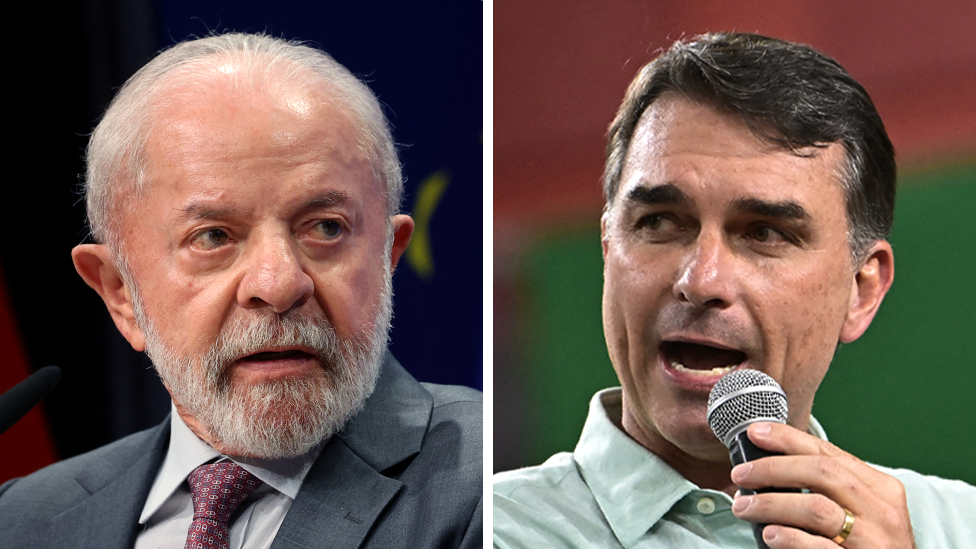
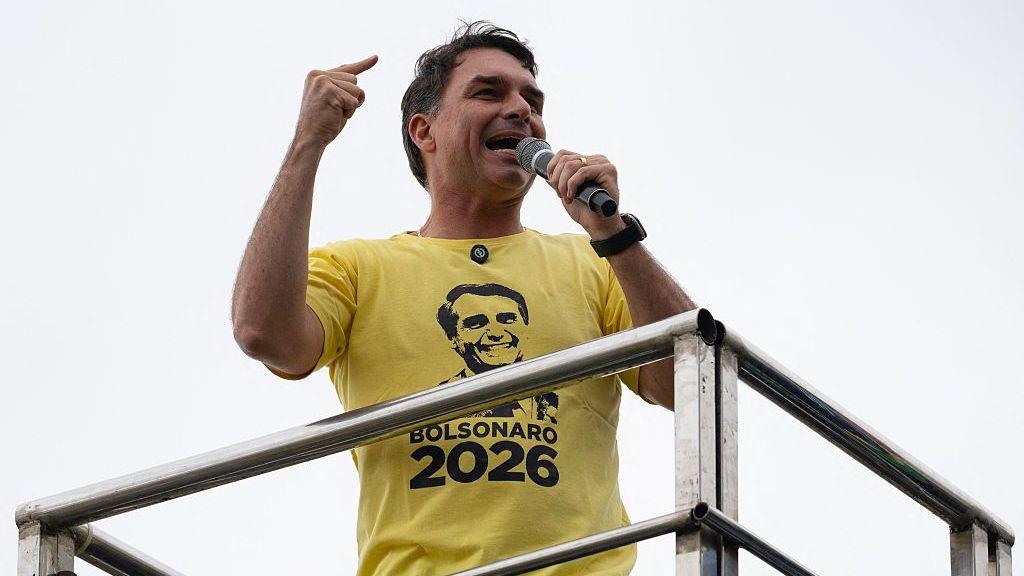
In an election that ended a historic tie in polls, young senator Flávio Bolsonaro secured 56.1 million votes, just surpassing Luiz Inácio Lula da Silva’s 53.8 million. Bolsonaro, 45, is the eldest son of former president Jair Bolsonaro, whose reputation as Brazil’s “Trump of the Tropics” has helped galvanise a resurgent right‑wing base.
Although the result does not give either candidate an outright majority, the margin indicates a clear shift. Many analysts attribute the outcome to disapproval of Lula’s policies rather than direct support for Bolsonaro, with Datafolha’s latest survey showing nearly 45% of voters rejecting the left‑wing leader.
Bolsonaro’s campaign amplified controversies involving the Supreme Court. He criticised the court’s 2023 conviction of his father for an alleged coup attempt and highlighted the ongoing corruption allegations surrounding Justice Alexandre de Moraes, who is seen as an ally of Lula.
The senator also leveraged the Banco Master scandal, where banker Daniel Vorcaro was arrested for orchestrating a major financial fraud. Allegations that Vorcaro tried to influence Moraes added pressure on Lula’s administration.
Beyond the presidential race, the Liberal Party saw its Senate seats jump from 15 to 28, with Michelle Bolsonaro and brother Carlos also elected as senators—underscoring the family’s entrenched influence.
Lula now faces a formidable challenge. Historically, no candidate trailing after the first round has overturned the deficit in a Brazilian second round. Analysts emphasize the need for both sides to target independent voters before the runoff slated for later this month.
Regardless of the final outcome, the election marks the solidification of the Bolsonarist right as a predominant force in Brazilian politics, setting the stage for a potentially dramatic shift in the nation’s policy trajectory.