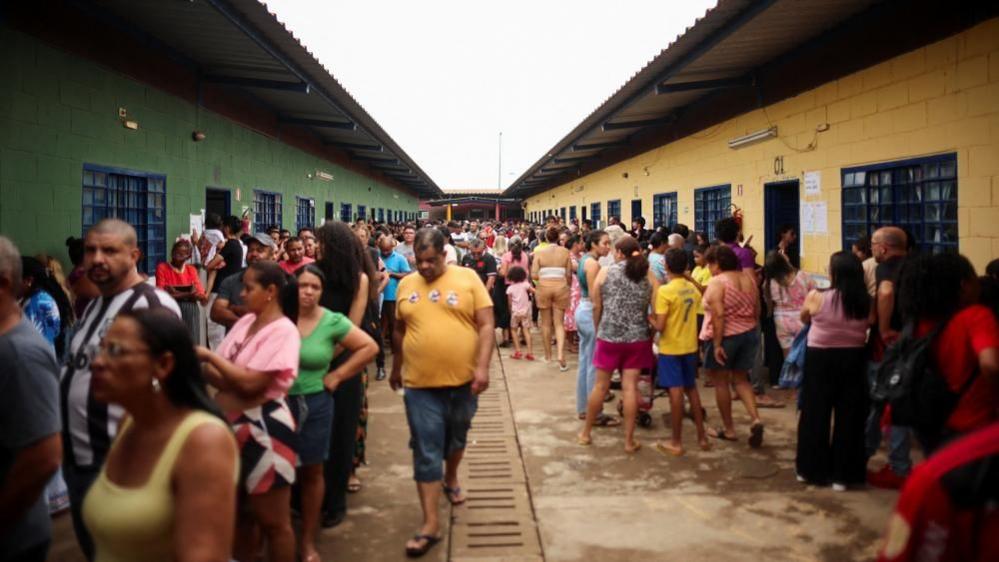
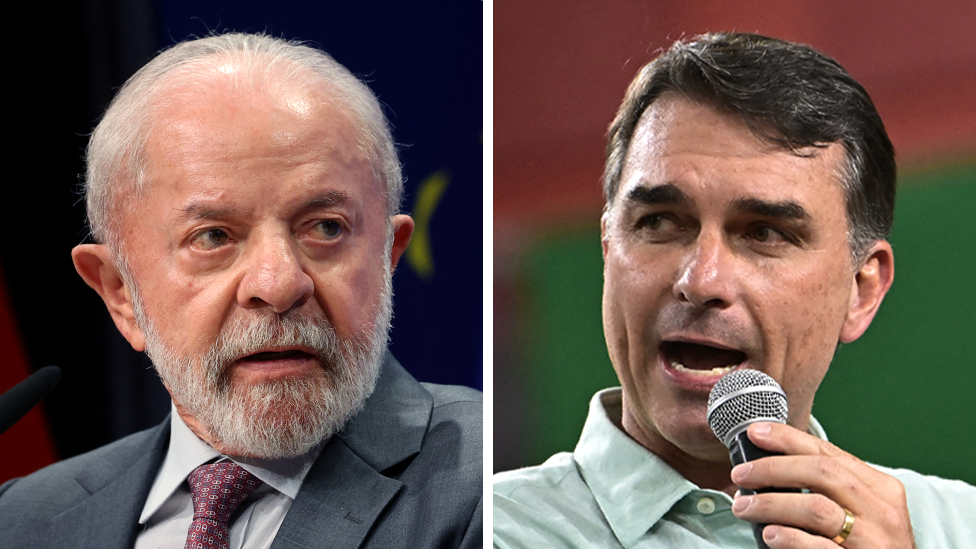
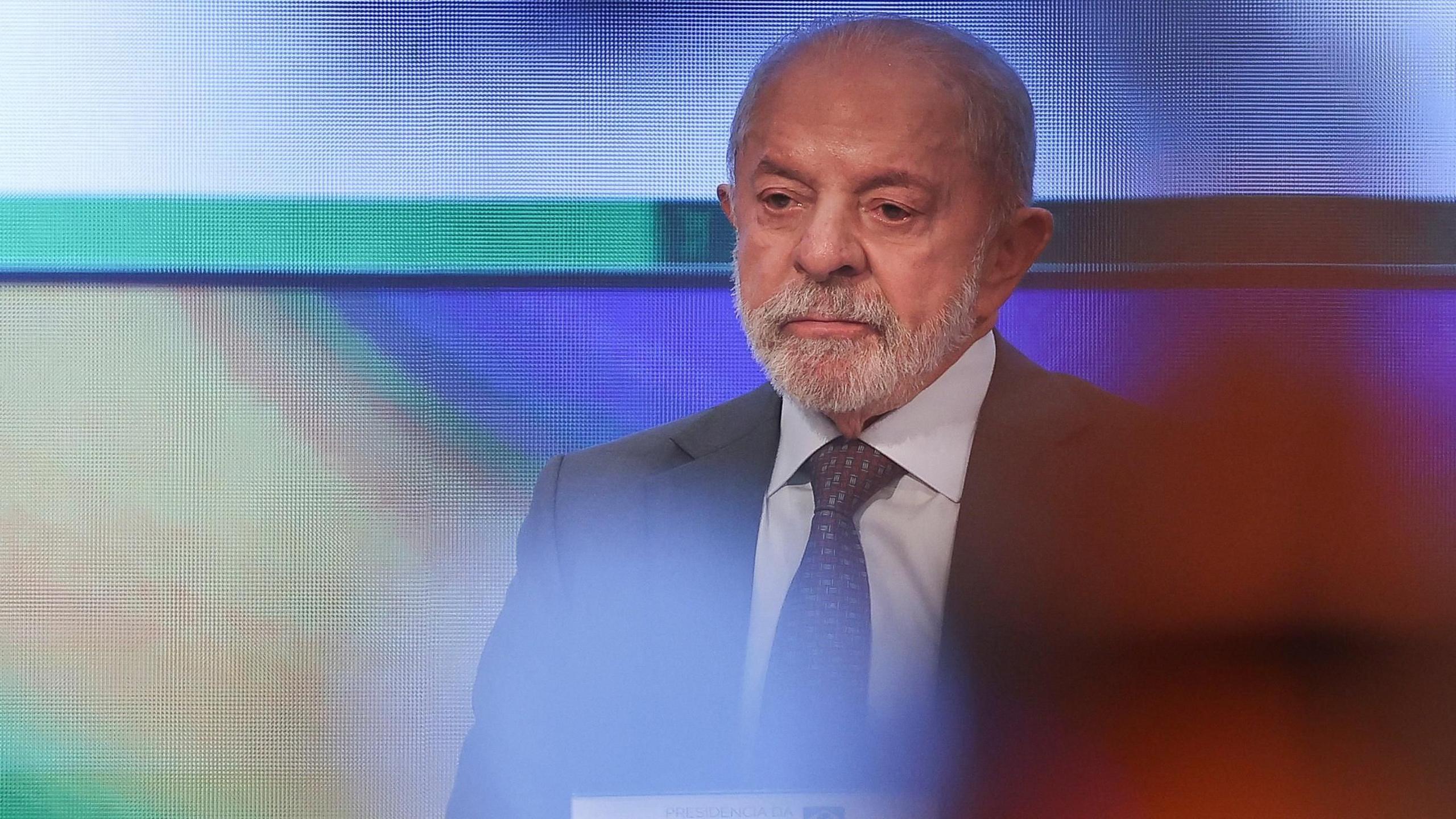
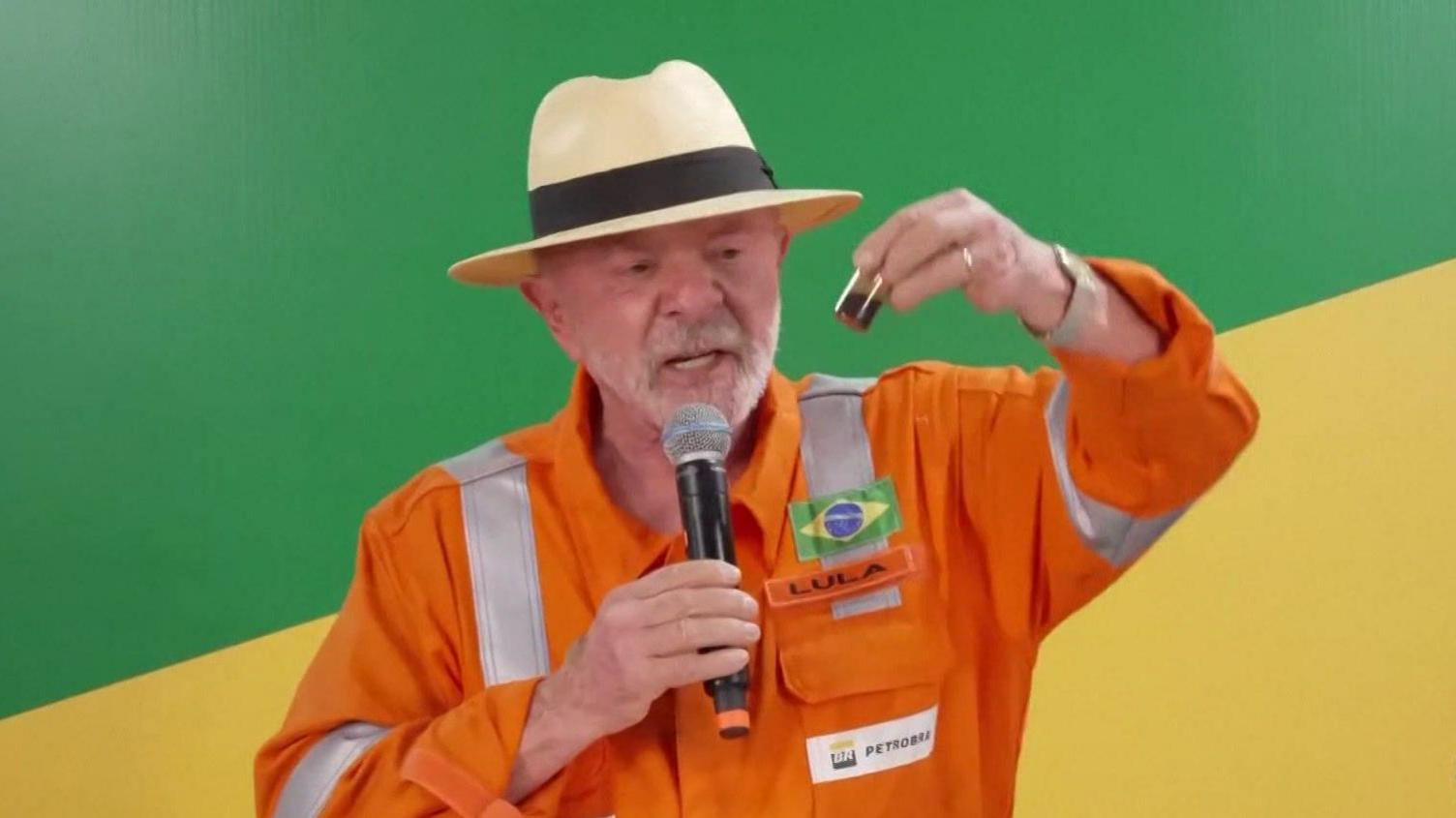
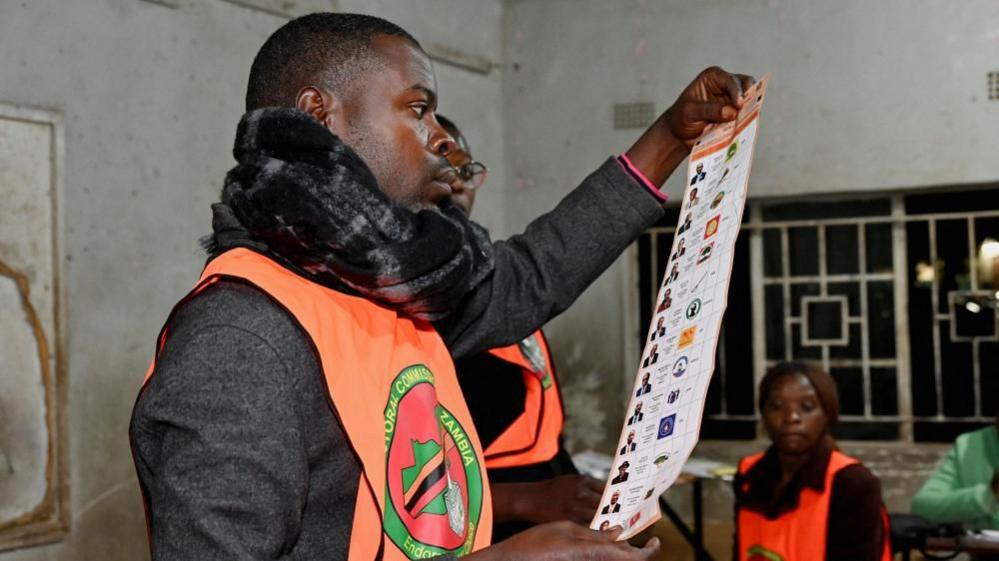
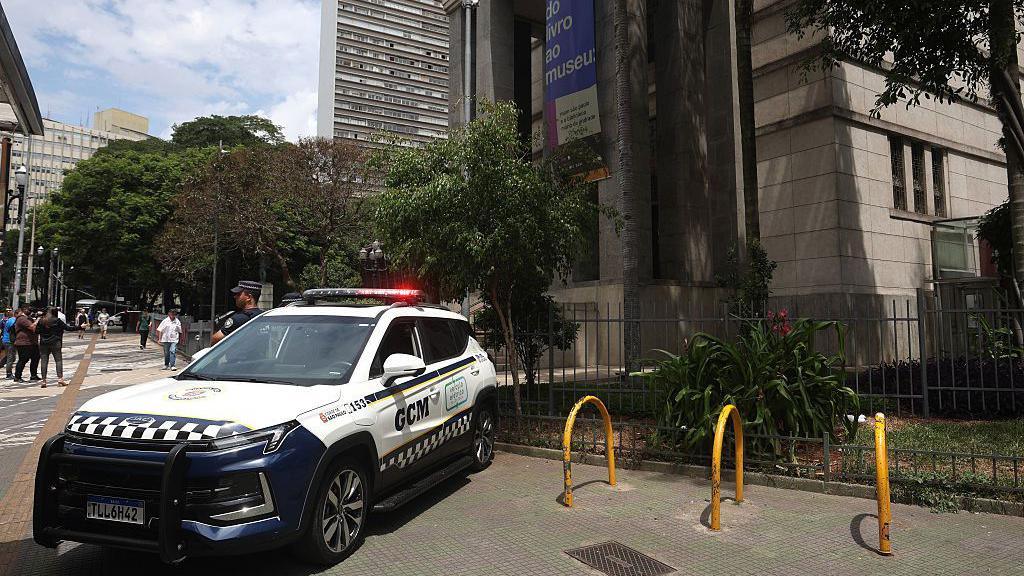
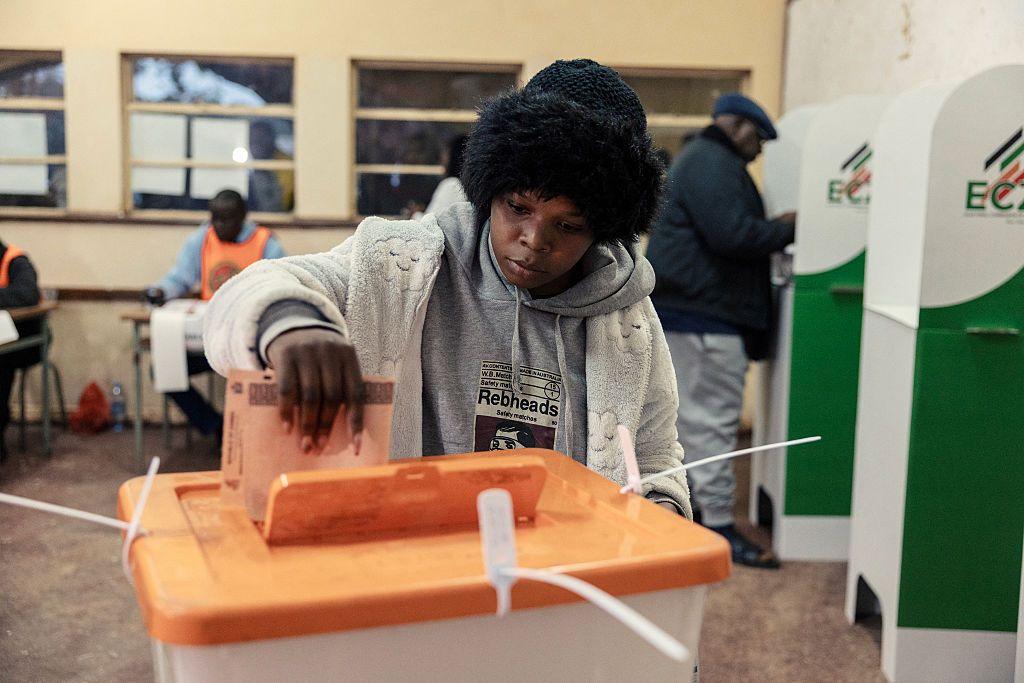
On Sunday, millions of Brazilians went to the polls for the first round of their 2026 presidential election. The contest was a stark contrast: 80‑year‑old former president Luiz Inácio Lula da Silva sought a fourth non‑consecutive term, while 45‑year‑old Flávio Bolsonaro, the son of former president Jair Bolsonaro, fielded his first presidential campaign.
Lula’s candidacy re‑ignited debates over his past, while Bolsonaro’s youth and familial ties promised a new right‑wing narrative. The vote was split nearly evenly, sparking a run‑off on 25 October. This unexpected outcome has deepened political polarization across the country.
Ione Wells, a BBC correspondent, outlines the key dynamics that led to the close results, examining how Lula’s experience contrasts with Bolsonaro’s fresh appeal, and what stakes a run‑off holds for Brazil’s political landscape.