In brief
With rising gas prices affecting drivers everywhere, individuals like Junelle Lewis are turning to Native American reservations for cheaper fuel. These tribally owned stations often sell gasoline significantly below market prices due to state fuel tax exemptions. This trend is particularly evident in regions like California, New Mexico, and New York, where rates can be 50 cents or more lower than nearby stations. The savings are helping not just consumers but also reinvesting in tribal communities, allowing for funding of essential services.
FORT COLLINS, Colo. — Amid rising gas prices driven by ongoing geopolitical tensions, savvy drivers like Junelle Lewis are seeking fuel savings, often turning to Native American reservations. Lewis made the trek to the Tulalip Reservation near Seattle, where she filled her tank for $4.84 a gallon, significantly lower than the rates back home.
This trend isn’t unique; many drivers have discovered that some of the most affordable gasoline can be found at tribally owned stations, particularly in states like California, New Mexico, and Oklahoma, where tribal entities are exempt from state fuel taxes.
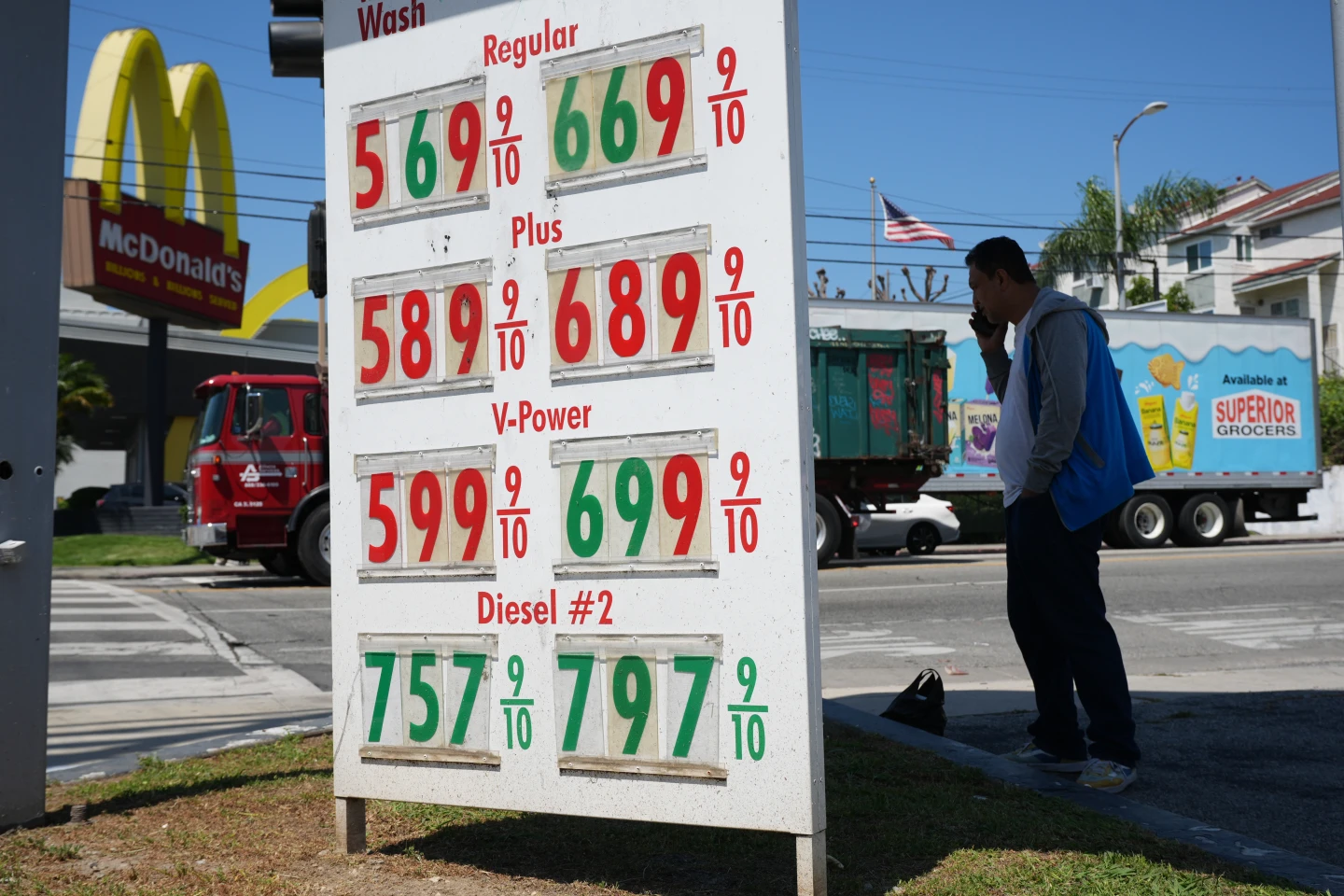
Apps such as Gas Buddy now make it even easier for consumers to find competitively priced gas. Nationwide, the average price of gas has jumped over $1 since the Iran war escalated, hitting approximately $4.15 a gallon according to AAA, and with prices projected to rise further.
Alongside individual savings, these tribal gas stations serve as vital community resources. Revenues from these stations are often funneled back into the reservation, supporting essential services like healthcare, education, and infrastructure.
Overall, while soaring fuel prices continue to stress consumers, the fuel pricing strategies adopted by Native American tribes are offering much-needed respite.