In brief
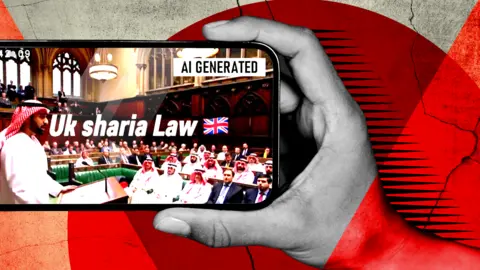
Recent findings expose a network of AI-generated anti-immigration videos, misleadingly portraying the UK as overrun and chaotic due to immigration. These videos, primarily disseminated through the 'Great British People' Facebook page, are created by individuals based in various countries, including Sri Lanka and Vietnam. Experts warn that such content could distort public perception and undermine trust in legitimate information.
The Great British People Facebook page, which claims to be from Yorkshire, has gained considerable traction with provocative AI-generated videos. One particular clip depicts an elderly white British man lamenting about his pension, which has snagged 1.3 million views. The content suggests overwhelming mass immigration while questioning if viewers miss a bygone Britain.
However, the authenticity of the creators is questionable; it has surfaced that the account is operated by an individual based in Sri Lanka. BBC Panorama and the Top Comment podcast have identified numerous interconnected accounts utilizing AI-generated anti-immigration content to broadcast messages to vast audiences, with creators frequently situated continents away from the UK.
The origins of these accounts span multiple countries, including Sri Lanka, the US, Vietnam, and others, with some seemingly linked to hostile state actors. Experts warn of the growing difficulty in distinguishing authentic content from AI fakes, highlighting a disturbing trend where exposure to artificial content may lead audiences to distrust real information.
The impact of these deceptive narratives isn't just theoretical. London Mayor Sir Sadiq Khan has noted that such AI-generated fabrications can significantly harm the city's global reputation and deter potential investors and visitors.
Additionally, there’s a suggestion that some accounts might be financially motivated, indicating a new phase in social media influence tactics, as actors leverage these videos for monetary gain while masking their affiliations.
In a significant revelation, one individual behind these accounts explained that their goal is to provoke thought on cultural and social evolutions—all while disavowing any financial incentives. This attitude points to a broader trend where disinformation thrives in spaces designed for engagement rather than informed discussion.
Identifying and combating these AI-generated narratives is a pressing need, as evidenced by the disturbing ability of these accounts to draw genuine engagement from unwary viewers, leaving the mainstream media and regulators increasingly challenged to curb misinformation and protect public opinion.