World Cup Shock: Africa Splits Between Mexico and South African Pride
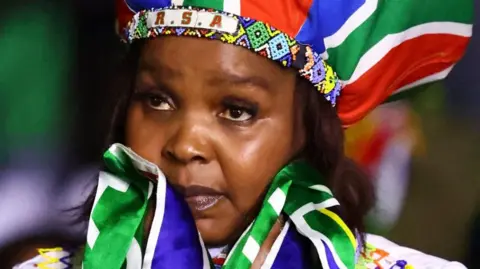
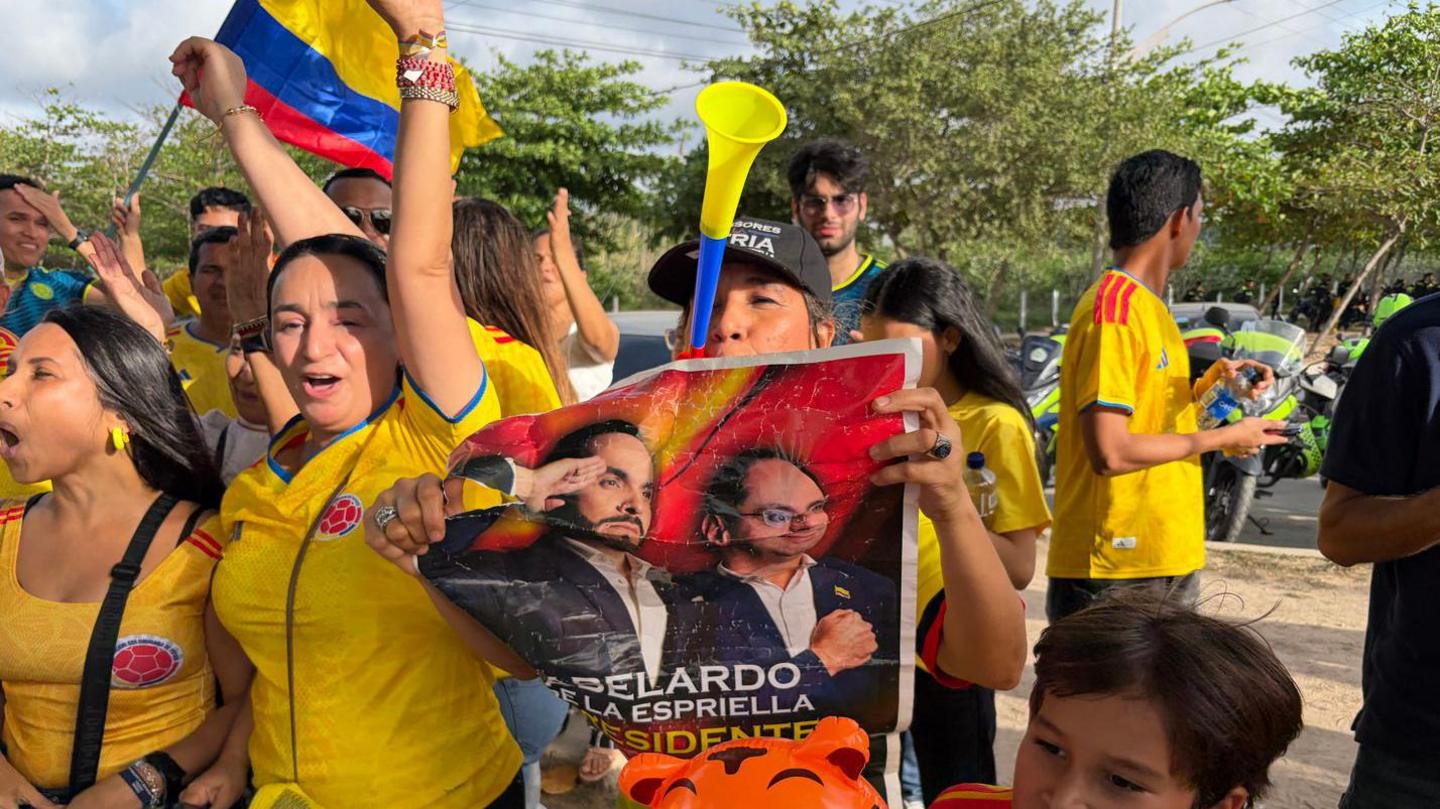
On Thursday, the 2026 World Cup saw South Africa suffer a 2‑0 defeat to Mexico in the opening match. Instead of calling their own team, a wave of continental fans cheered the Mexican side, sparking a torrent of parody memes on X that lampooned Mexican symbols while hinting at deeper anxieties about migration.
The memes—featuring sombreros, mariachi and tacos—were playful at first but soon carried a darker undertone. They underlined the growing frustration over xenophobic violence in South Africa, which has seen a surge of attacks against migrants in recent weeks. One fan wrote, “You want people to cheer you when you play soccer just because we’re African?” pointing to the link between the match and migration debates.
“We’re supporting Mexico so that South Africa can go back home early to protect their jobs,” the user added, echoing the unfounded claim that migrants drive unemployment.
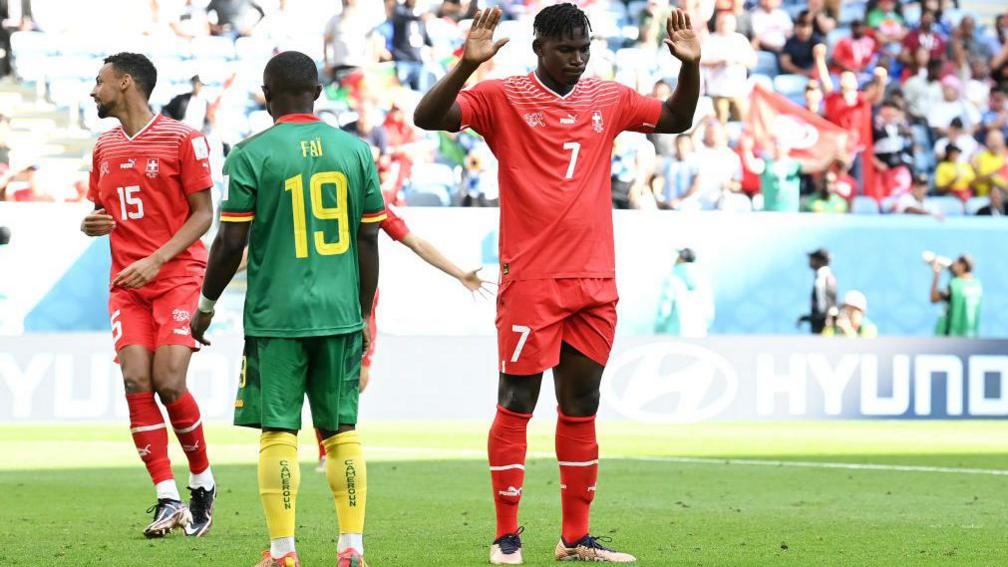
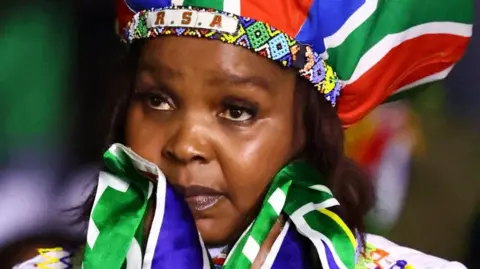
Sparks of solidarity from the opposite side were also present. Ghanaian fan Vanlare Quist, for instance, held his flag high, stating he remained a “proud African” and that anti‑immigrant sentiment was a fault of “a few individuals.” In Juba, South Sudanese spectators echoed their reverence for the U.S. and Mexican partnership while supporting their compatriot team.
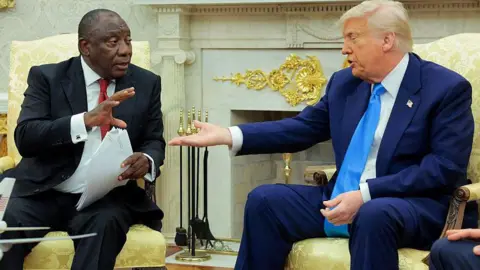
The South African government praised Bafana Bafana’s “spirit” and “unity” even as the scoreline disappointed many. President Cyril Ramaphosa warned against vigilantism, emphasizing that only authorized officials could act against violations of the law, yet recognising that the concerns of “our people deserve to be heard.” He urged calm and respect amid the hostile environment.
“We qualified for the World Cup alone without your support and whether we win or lose we will remain South Africans who love their country. And illegal immigrants will still leave our country whether you hate us or not.”
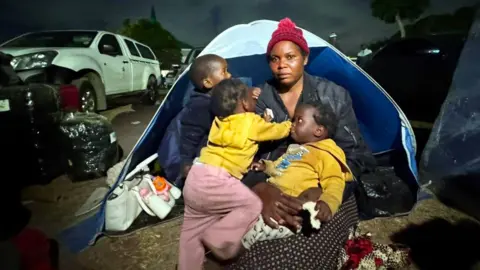
In the aftermath, several African governments—Nigeria, Ghana, Zimbabwe, Malawi—began repatriating citizens from South Africa in response to the anti‑migrant threats and the 30‑year‑old warning deadline. Meanwhile, South Africa’s unemployment rate, surpassing 30%, fuels the tension, prompting marches that often devolve into xenophobic violence.
As the World Cup proceeds, South Africa’s next two matches will test whether the nation’s unity can overcome the social divides that surfaced on the 13th of June. The incident underscores how global sporting stages can magnify existing social issues, turning fans’ allegiance into a battleground for identity, politics and migration.