Virtual Parents: A Digital Lifeline for China’s Generation Z
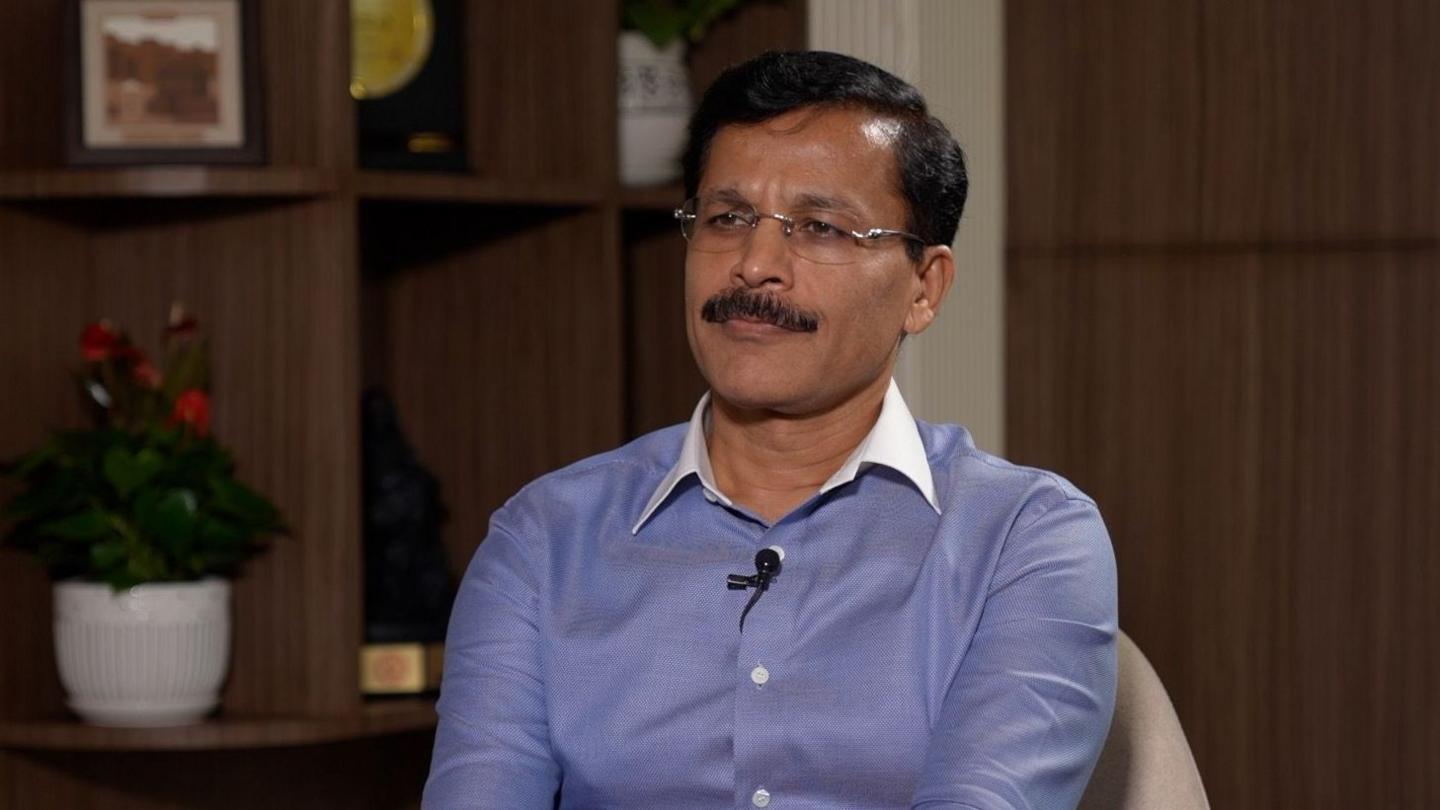
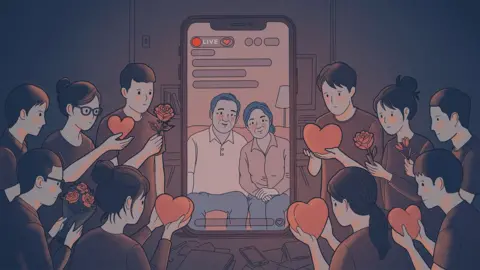
\In a bustling Shanghai apartment, Vincent Zhang, a 33 year‑old tech worker, pauses his dinner to scroll through a live feed. A middle‑aged couple—Pan Huqian and Zhang Xiuping—warmly “coo” to their camera, offering father‑mama‑style advice and gentle reminders that he has been doing “too hard.” For Vincent, who has endured a solitary upbringing after his mother’s paralysis, these glowing messages feel like a missing family tether.
\ \
\The phenomenon isn’t unique to Shanghai. Douyin—China’s TikTok—has witnessed a surge in creators posing as “virtual parents.” With nearly two million followers, Pan and Zhang are only the tip of the iceberg. Their niche, aimed at a generation that feels besieged by both academia and corporate expectations, turns to viewers for guidance, empathy, and gentle critique.
\Vincent explains that his biological parents, feeling ineffective and critical, do not thank him or celebrate his autonomy: “They never say I’m good enough.” In contrast, the virtual parents ask him whether he’s happy, offering a soothing routine that feels less judgmental. The content creators themselves note that they have become aware of their impact. Pan, who started filming at age 14 after his mother became paralyzed, watched a surge of comments: “I understand the pain because I have lived it too.”
\Behind the videos lie broader societal pressures. China’s youth have thrived amid economic boom, yet recent years have introduced sluggish growth, high youth unemployment, and a competitive spirit that demands relentless study and work. Loneliness and burnout have become common, prompting many to look online for catharsis. Viral memes—like the “gourd soup literature” skit—illustrate a generational rift, where young people feel parental messages as forced or imposing. Some, like Zhao Xuan, use humor to cope, shifting the tone from criticism to jest.
\Vincent, who sees these videos as a cosmetic remedy, admits it is not a full cure: “I know the creators are probably partners with companies, but a little warmth is better than nothing.” He lists his longing for family banter over groceries or Spring Festival preparations—a daily routine that these digital interactions replace.
\While the trend offers a much‑needed emotional touchpoint, questions remain. Can a curated feed replace the messy, nuanced relationship one would have with a real family? And will these creators’ success erode the authenticity of care? Still, their stories echo a universal truth: people, regardless of country, yearn for connection and validation. For this generation, that connection now arrives through a screen.
\