In brief
Brayan Rayo Garzon’s fatal suicide while isolated in a Missouri jail brought national attention to a disturbing rise in suicides among ICE detainees. Investigative probes uncovered repeated violations of ICE’s own safeguards, delayed mental‑health referrals, and staff failures that allowed detainees to be left under‑monitored. The incident underscores a broader crisis in immigration detention arising from the Trump era’s aggressive deportation push and ongoing lapses in monitoring and care.
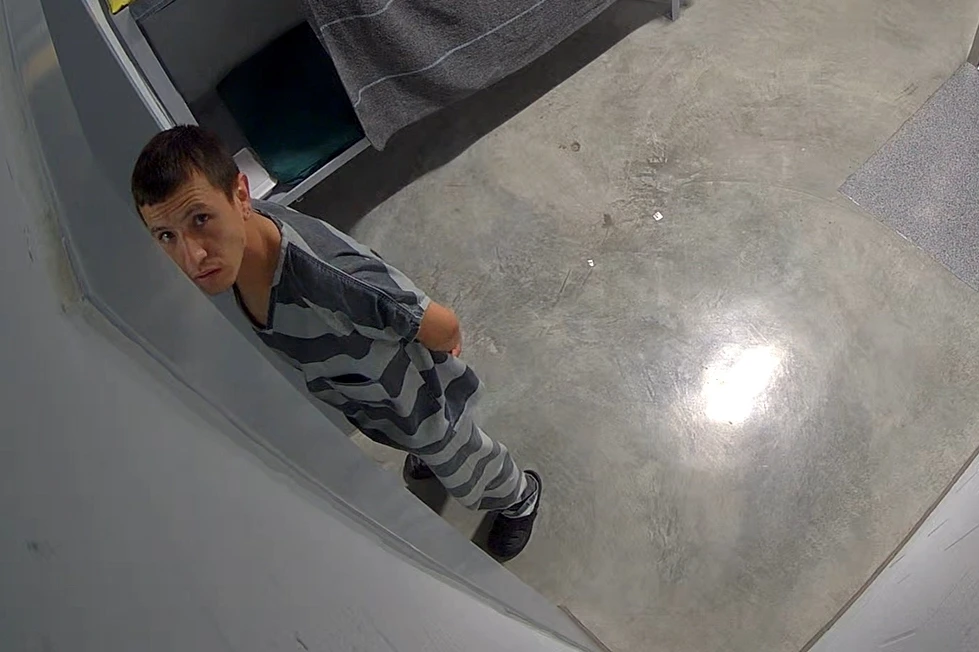
[ "Brayan Rayo Garzon was staring into the bleak light of a Missouri cell when he decided to end his life on the fourth day in isolation, after battling fever and chills from COVID‑19. Rayo’s handwritten notes pleading for a phone call with his mother were ignored, and later that morning he was found unconscious on his bed.Rayo’s story is a grim marker of a broader crisis: FBI data and independent investigations show that since January 2025 10 detainees, all men, have died by suicide – a number that far outstrips the agency’s historical counts. The deaths, grouped almost entirely around ICE’s detention system, reflect a failure to heed early warning signs and to provide timely mental‑health care.Something is going profoundly wrong from any kind of public health or mental health perspective, said Dr. Sanjay Basu, epidemiologist at UCSF and co‑author of a paper charting the rise in ICE detainee deaths. This is one of those alarming, sudden increases.ICE’s own standards promise a comprehensive health check within 12 hours of arrival and regular mental‑health counseling for anyone expressing a risk of self‑harm. Yet an article in the AP exposed that staff routinely delayed or postponed scheduled mental‑health appointments for detainees, particularly when staff shortages or the detainee’s illness made care impossible. Rayo’s case illustrates this pattern vividly.Rayo, a 26‑year‑old veteran of the Colombian army who fled the country after the U.S. prison system was deemed unsafe, had been detained in Missouri for a misdemeanor credit‑card fraud case before being moved to the Phelps County Jail. He reported severe flu‑like symptoms and requested counseling; a nurse who did not speak Spanish used a handheld translator and noted no suicidal ideation.Two days later Rayo’s condition worsened. He was diagnosed with COVID‑19 and a TB exposure in an outside hospital, then returned to jail. The mental‑health appointment that had been scheduled two days earlier was cancelled first because of staff shortage and then again because of his own illness – a delay that violated an ICE rule requiring treatment within a week of referral.With the threat of disease, Rayo was isolated in a cinderblock cell equipped with a camera for monitoring. The isolation, meant to prevent contagion, deprived him of the one thing that seemed to keep him sane: a nightly phone call with his mother, Adriana. He left a final note on the cell door pleading for a connection with her, a plea that would go unanswered.Within an hour of the notes being read, the guard turned on the camera feed and found Rayo unconscious on his bed with a sheet around his neck. Emergency responders carried him to a hospital while the jail tried to arrange a flight for him to a St. Louis medical center. The doctors delivered the devastating news to his mother: Brayan had died.The tragedy is part of a wider pattern of failing protection protocols. Reviewing ICE’s detention network, AP found that facilities run by private contractors and by sheriff counties often delayed health screening beyond the mandated 12 hours. In nine centers where suicide deaths occurred, at least three failed to meet the requirements for screening or mental‑health monitoring. These facilities also let detainees possess items that could be used for self‑harm.The increase reflects failures in how the system’s being operated, and particularly failures in how the first stages of coming into detention are happening so that people aren’t being assessed adequately, said Dr. Homer Venters, former chief medical officer of New York City jails. His specialized knowledge of how detention facilities can keep attackers in harm’s way made his comments especially poignant.Independent reports noted that a few months ago, a contractor called Acquisition Logistics was overseeing a facility that eventually became ICE’s largest detention site. In its February inspection, the inspector’s report documented 49 violations, ranging from unsecure equipment that could be used for self‑harm to staff ignoring required checks that could prevent serious die attempts. The same contract was later ousted.At the time of Rayo’s death, Phelps County Jail’s Sheriff Michael Kirn, a Republican in a county that heavily supported Trump, explained that the partnership with ICE was a revenue source. That economic motive appears, in several cases, to have come at the expense of detainee welfare.In addition to Rayo’s case, earlier in 2025 an 19‑year‑old Mexican youth who was arrested following a traffic stop while riding a scooter – and a 36‑year‑old restaurant worker with no prior criminal record – both took their own lives in disbelief of ICE facilities. A GEOV Group–managed camp in Texas, an institution run by a partially inexperienced contractor, saw a 36‑year‑old Mexican immigrant, Victor Diaz, die by hanging in a shower stall after being locked in isolation:> In some instances, they jailed distressed detainees in isolation, which can exacerbate feelings of humiliation and helplessness, said Dr. Basu.The spike in suicides came at a time ICE’s detainee population had risen 50‑60,000 – the highest in the agency’s history – during the Trump administration’s aggressive deportation program.The Department of Homeland Security (DHS) has maintained that suicide deaths in ICE custody remain extremely rare, and that staff follow protocols to protect detainees who show signs of self‑harm. In fact, the DHS says that ICE requires annual suicide prevention training and provides mental‑health services to all detainees. Critics say these statements mask the suffering uncovered in the investigations.Given the cumulative evidence – delayed mental‑health referrals, isolation practices that exacerbate despair, arbitrary use of surveillance cameras, and contractors mishandling basic safety requirements – the system built under the previous administration has evolved into a ticking time bomb.The findings are a sobering reminder of the cost of aggressive immigration enforcement: when a detainee’s mental health needs are ignored or when staff overlook the urgency of warning signs, even a single failure becomes fatal. The agency’s safeguards are designed to guide meticulous monitoring, but in practice the protocols are only as effective as their implementation.Experts demand accountability, improved oversight, and faster response to mental‑health referrals. They say dangerous gaps exist between ICE’s written policy and the day‑to‑day reality of its detention centers, where the system seems designed to dilute the human connection that underpins the lives of the people it holds.The death of Brayan Rayo Garzon is a mournful chapter in this ongoing crisis. It forces decision makers and the public alike to confront the reality that the system is failing, sometimes in ways that kill.___Editor’s Note: This story includes discussion of suicide. If you or someone you know needs help, the national suicide and crisis lifeline in the U.S. is available by calling or texting 988." ]