In brief
César Chavez's legacy faces intense scrutiny following reports of sexual abuse during the 1960s, prompting festivities honoring his contributions to labor rights to be rebranded or canceled in many areas. Various states, including California and Minnesota, are renaming holidays and removing associations with Chavez. Organizers emphasize community and labor unity, seeking to honor the movement's collective legacy while grappling with the personal betrayal felt by many.
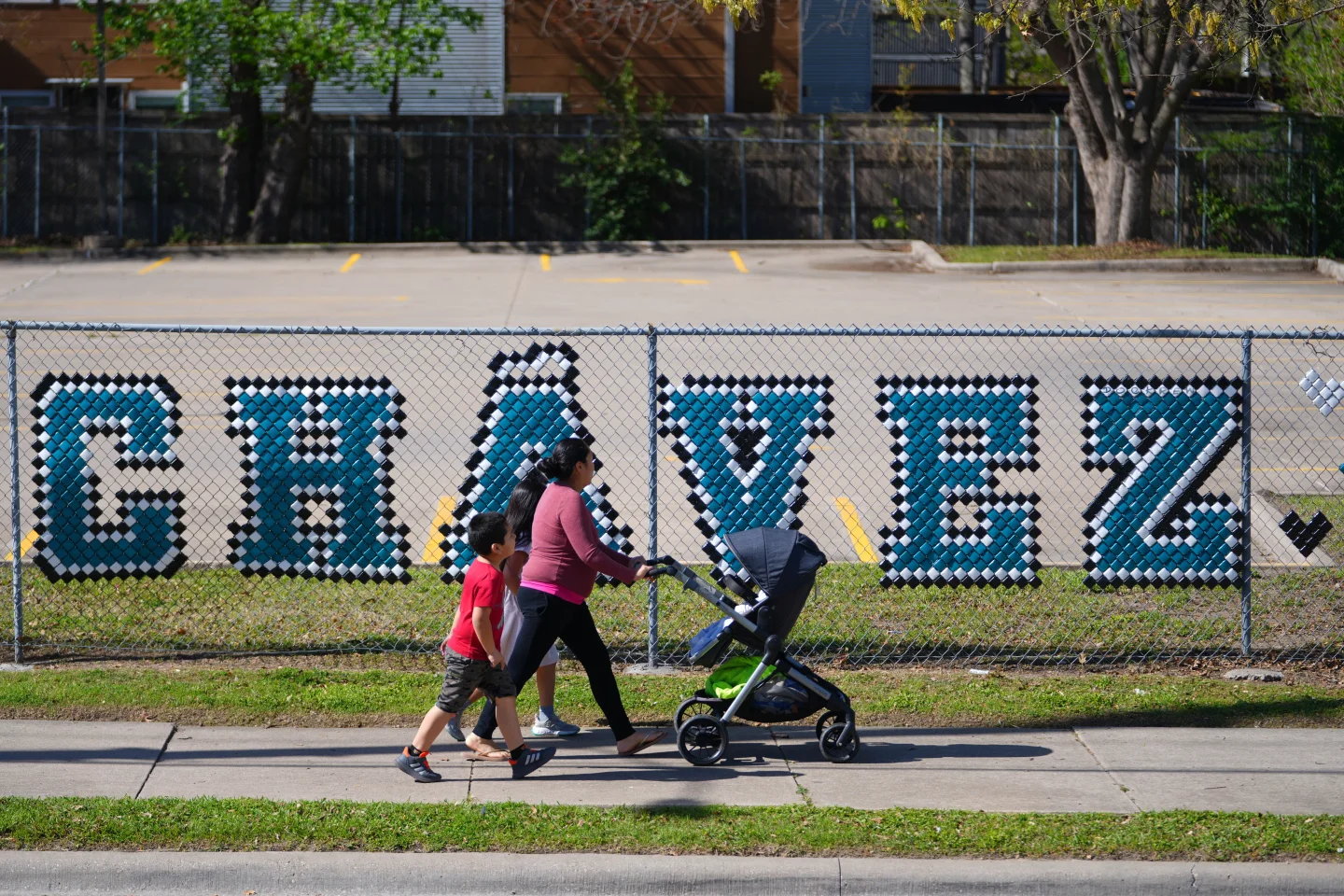
From California to Minnesota, elected leaders and civil rights groups are scrambling to distance themselves from César Chavez’s name in the wake of allegations that he sexually abused women and girls during the 1960s as he became the face of the farmworkers’ movement. Efforts have been swift and widespread to rebrand events ahead of what typically was a day to celebrate the life and legacy of the Latino rights advocate on his birthday, March 31.In Tucson, Arizona, last weekend’s celebration was instead billed as a community and labor fair. In Grand Junction, Colorado, it’s now the Sí, Se Puede Celebration. El Paso, Texas, will mark Tuesday as Community and Labor Heritage Day. Lawmakers in Minnesota voted this week to end the César Chavez holiday in their state, while California Gov. Gavin Newsom signed a bill to rename César Chavez Day as Farmworkers Day. Organizers are considering similar measures elsewhere.Renaming efforts also are underway for dozens of schools, streets, and locations across the U.S., including the national monument in Keene, California. While these changes reflect a desire to distance the movement from allegations, they also evoke strong emotions among supporters grappling with the conflicted history of labor and civil rights efforts.The New York Times reported allegations that César Chavez groomed and sexually abused young girls involved with the movement, leading Dolores Huerta, a co-founder, to reveal her experiences as a victim of abuse. The emotions run deep for many community members as they confront feelings of betrayal.Organizers for events like the Sí, Se Puede Celebration have adapted to preserve the spirit of the movement, emphasizing broader labor rights over individual legacies. As noted by Sehila Mota Casper, the path forward will differ for each community, reflecting their distinct values and history.Cities and organizations now find themselves navigating a dual narrative of honoring labor rights while acknowledging the complexities of individual figures like Chávez. Conversations continue to evolve, underscoring the need for a comprehensive recounting of history that acknowledges both triumphs and failures.