Minnesota public universities can continue to offer in-state tuition and financial aid to certain undocumented immigrants after a federal judge dismissed a lawsuit from the Department of Justice. This ruling, issued on Friday, allows these programs to remain intact despite federal opposition.
The decision by U.S. District Judge Katherine Menendez came after a legal challenge aimed at stopping the tuition benefits, which apply to students who attended Minnesota high schools for at least three years. The Department of Justice argued that these benefits discriminated against U.S. citizens; however, Judge Menendez found that the government did not present sufficient evidence to support its claims.
In her ruling, Menendez clarified that the law, originally signed by former President Bill Clinton, allows benefits to anyone who meets certain residency qualifications, regardless of immigration status. Moreover, she noted that the Justice Department lacked standing to sue.
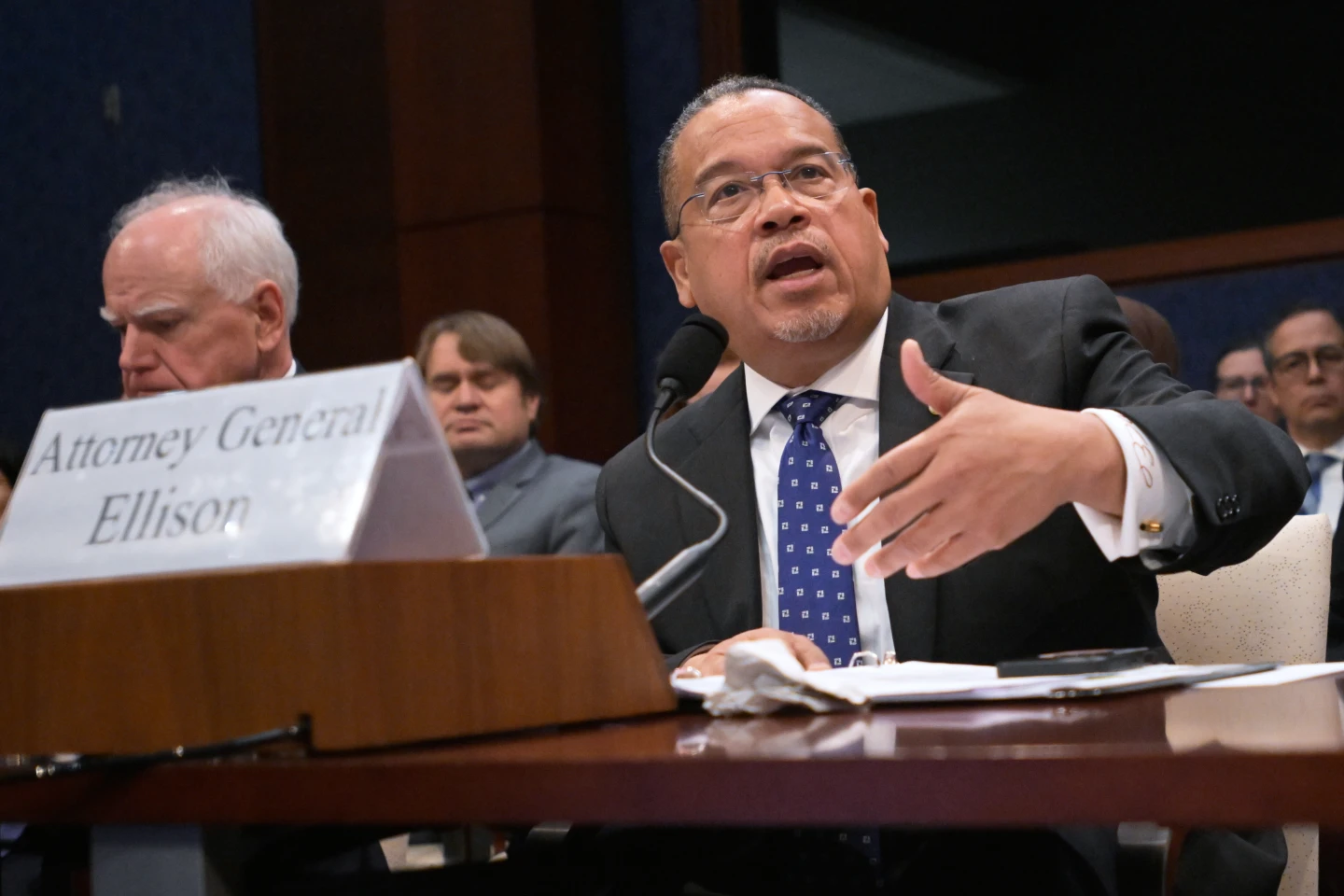
State Attorney General Keith Ellison celebrated the ruling, stating it upholds Minnesota's commitment to education and inclusion. He emphasized that providing these opportunities for immigrant students is an investment in the state's future workforce.
The lawsuit reflects a broader national debate on immigration policies and access to education, with similar legal challenges emerging in other states such as Kentucky and Texas, where federal lawsuits are contesting state tuition policies for undocumented immigrants.
Currently, at least 22 states and the District of Columbia have enacted laws offering in-state tuition to immigrant students without legal status, showcasing a division in educational policy across the country. Minnesota's ruling reinforces a trend among states seeking to support access to education and uphold immigrant rights despite ongoing federal challenges.