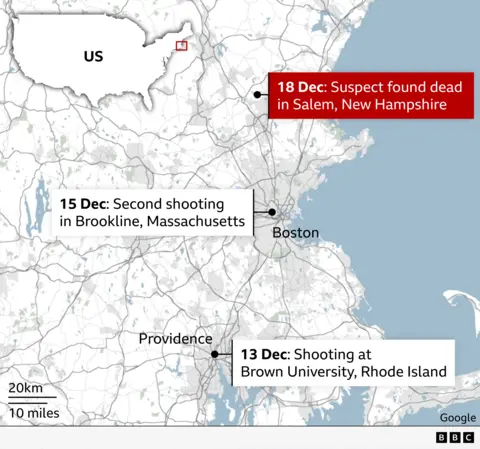
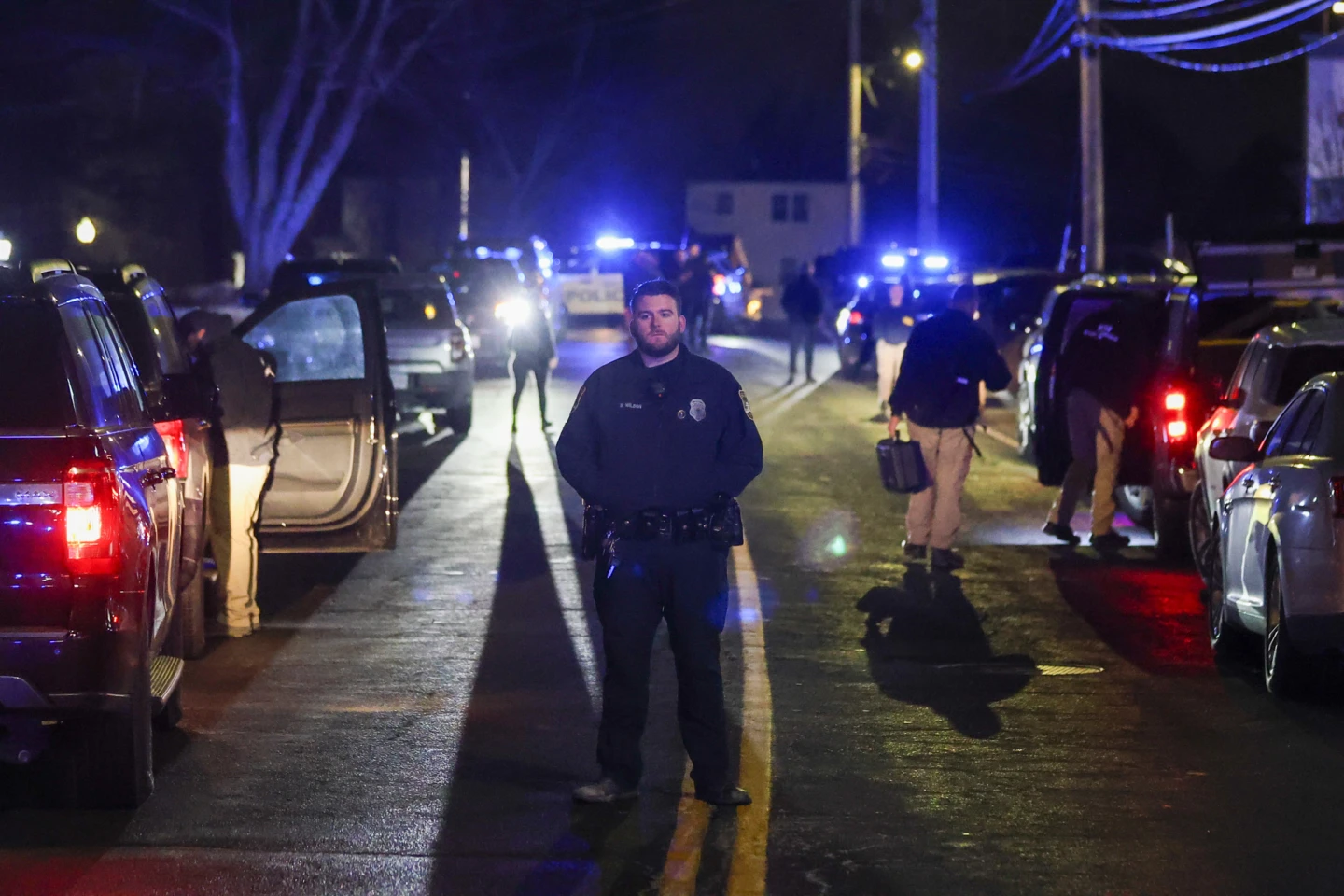
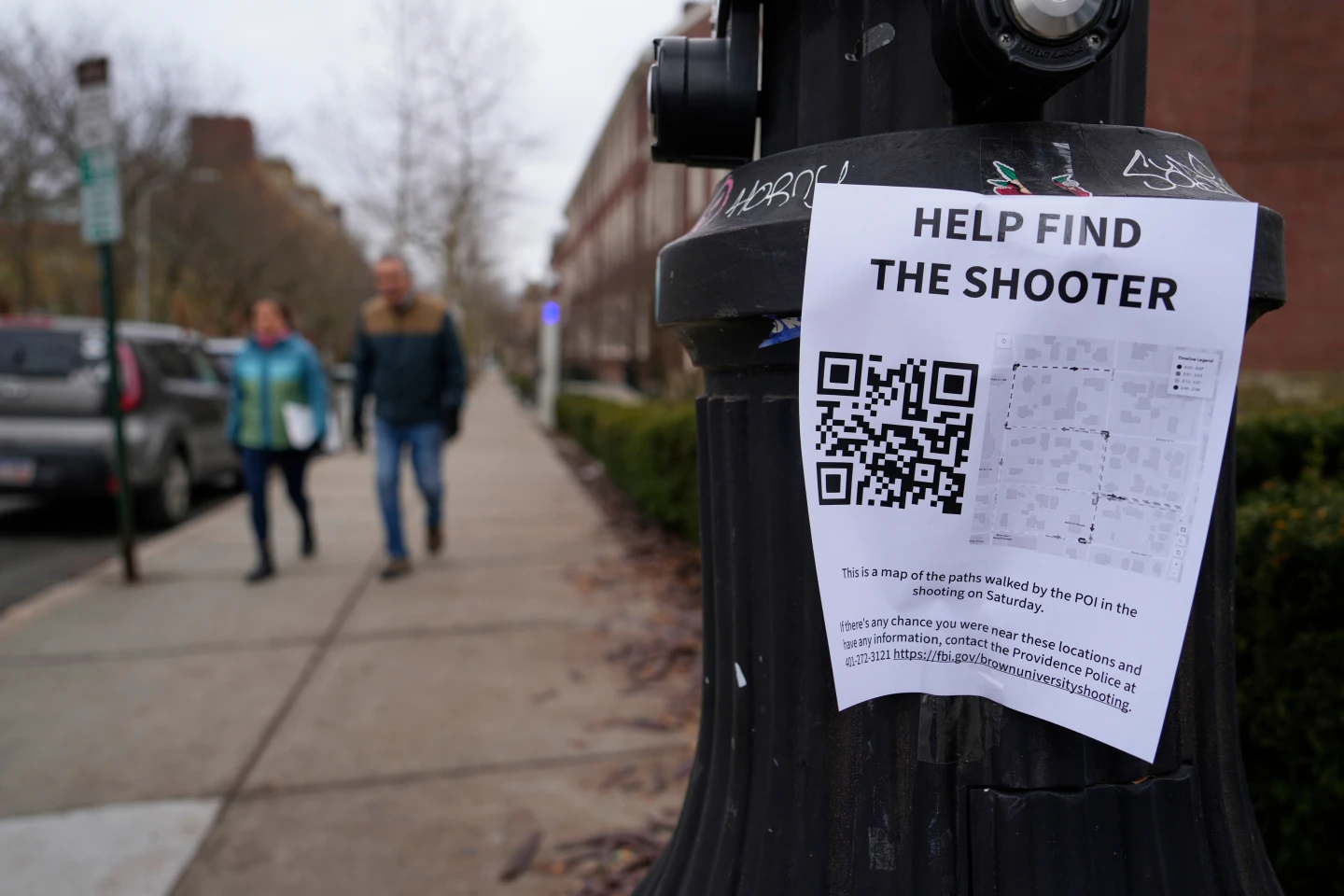
In response to the recent shootings at Brown University and MIT attributed to a Portuguese individual, a little-known pathway known as the diversity immigrant visa has come under fire. This program, allocating up to 50,000 green cards annually through a lottery system to individuals from countries underrepresented in immigration, has been suspended by Secretary of Homeland Security Kristi Noem.
Following these violent events, Secretary Noem expressed on X that such a suspect 'should have never been allowed to enter the U.S.,' prompting significant debate around the visa's vetting protocol. Critics assert that while the administration cites difficulties in vetting immigrants, studies show that rigorous screening processes are already in place.
Originally established in 1990, the diversity visa sought to diversify American immigration, addressing the need for greater representation from various regions. This year, slots were allocated to applicants from Africa, Asia, and Europe, among others. Yet, despite a lottery system, the competition is fierce, with nearly 21 million applications submitted for only 130,000 spots last year.
Navigating through bureaucratic processes remains challenging, even for those fortunate enough to win the lottery. Each application undergoes thorough checks before entry is granted, underscoring the stringent nature of current immigration policies. Nevertheless, the Trump administration's recent actions, including calls to eliminate the diversity visa program altogether, raise questions about the implications on legal immigration pathways, especially for innocent individuals.
Experts indicate this is not the first instance where violent acts have led to stringent immigration measures. Past controversies connected immigration to national security issues, often overshadowing the intricate realities of such policies, leading to wider repercussions. Critics have labeled these steps as collective punishment for entire communities based solely on the actions of few.
As the debate continues, the fate of the diversity visa program and its applicants remains uncertain, prompting a broader discussion about the balance between national security and the values of inclusion that the program once represented.