In brief
In a significant move, the U.S. Department of Health and Human Services has proposed regulations that would cut federal funding for hospitals providing gender-affirming care to minors, building on restrictions previously enacted. This decision threatens care accessibility in many states where such treatments are currently permitted. The new rules are not yet finalized and are expected to face legal challenges.
WASHINGTON (AP) — The U.S. Department of Health and Human Services on Thursday unveiled a series of regulatory actions designed to effectively ban gender-affirming care for minors, building on broader Trump administration restrictions on transgender Americans.
The sweeping proposals — the most significant moves this administration has taken to restrict the use of puberty blockers, hormone therapy and surgical interventions for transgender children — include cutting off federal Medicaid and Medicare funding from hospitals that provide gender-affirming care to children and prohibiting federal Medicaid funding from being used on such procedures.
More than half of U.S. states already ban or restrict gender-affirming care. But Thursday’s announcement imperils access in nearly two dozen states where drug treatments and surgical procedures remain legal and funded by Medicaid, which includes federal and state dollars.
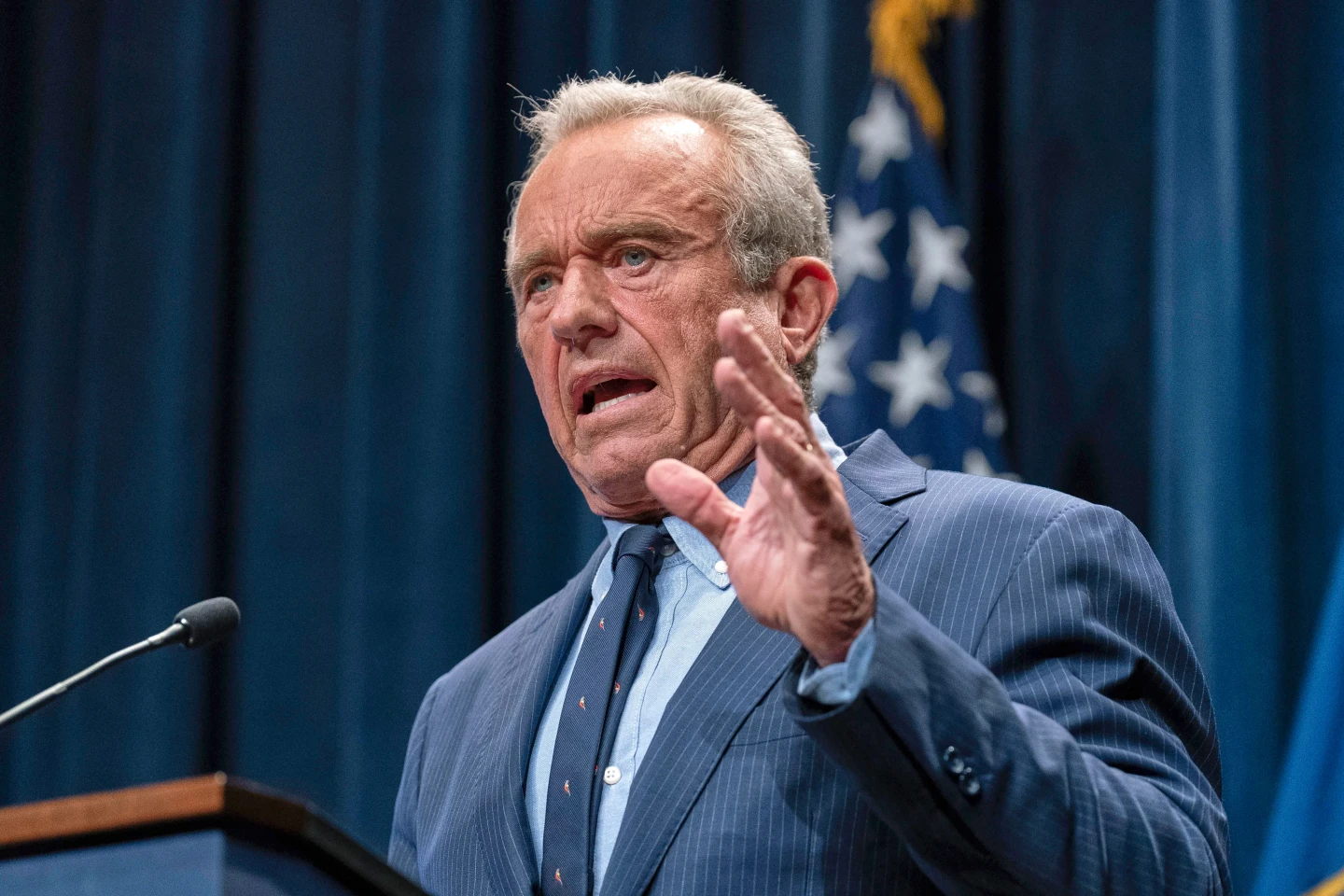
The proposals, set to be announced by Secretary Robert F. Kennedy Jr. and his deputies, are not final or legally binding. The federal government must go through a lengthy rulemaking process, including periods of public comment and document rewrites, before the restrictions become permanent. They are also likely to face legal challenges.
But the proposed rules will likely further intimidate healthcare providers from offering gender-affirming care to children, and many hospitals have already ceased such care in anticipation of federal action.
Nearly all U.S. hospitals participate in the Medicare and Medicaid programs, the federal government’s largest health plans that cover seniors, the disabled and low-income Americans. Losing access to those payments would imperil most U.S. hospitals and medical providers. The same funding restrictions would apply to a smaller health program, the State Children’s Health Insurance Program.
The approach contradicts the recommendations of most major U.S. medical organizations, including the American Medical Association, which has urged states not to restrict care for gender dysphoria.
Young people who persistently identify as a gender that differs from their sex assigned at birth are first evaluated by a team of professionals. Some may try a social transition, involving changing a hairstyle or pronouns. Some may later also receive hormone-blocking drugs that delay puberty, followed by testosterone or estrogen to bring about the desired physical changes in patients. Surgery is rare for minors.
Medicaid programs in slightly less than half of states currently cover gender-affirming care. At least 27 states have adopted laws restricting or banning the care. Federal judges have struck down the bans in Arkansas and Montana as unconstitutional. The legal fights in those states are continuing.
Rodrigo Heng-Lehtinen, senior vice president at The Trevor Project, called the changes a “one-size-fits-all mandate from the federal government” on a decision that should be between a doctor and patient. He said, “The multitude of efforts we are seeing from federal legislators to strip transgender and nonbinary youth of the health care they need is deeply troubling.”