In brief
Despite a vibrant local tourism scene, Goa's appeal among foreign tourists is waning. Factors such as heightened travel costs, competition from cheaper destinations, cumbersome visa procedures, and local challenges like high taxi fares are reshaping the state's tourism landscape. With nearly half the number of foreign tourists compared to the peak years, local stakeholders express concern and call for strategic efforts to revive international interest.
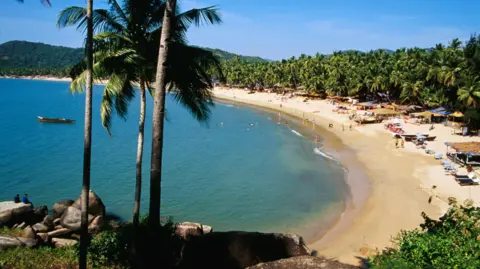
It is just past noon at the crescent-shaped Palolem beach on the southern tip of Goa's long, sandy coastline. The sun is blinding hot, but that has not deterred the tourist hordes from splashing about in the ocean.
The beachside shacks and cheap backpacker hotels hugging the bay in the state often dubbed India's party capital are full with tourists. What's different here from some years ago, though, is that the Europeans and Russians who once thronged Palolem and other beach villages of Goa are missing.
The crowd is almost all local, a reflection of the diminishing appeal of this tiny coastal state among foreign tourists. The abundance of domestic visitors, on the other hand, shows that its lure has grown among people from far-flung corners of the country.
Numbers released by Goa's tourism department underscore these trends. Nearly 900,000 foreigners visited the state in 2017. By 2025, the number had fallen to around half a million. The number of domestic tourists, on the other hand, grew from 6.8 million in 2016 to more than 10 million last year.
The state's tourism department recently said that the global geopolitical situation has been affecting overseas flows. 'We have to remain both pessimistic and optimistic while planning ahead,' Rohan Khaunte, Goa's tourism minister, told a local outlet.
But the decline in numbers predates the recent conflict, which begs the question: why are foreign visitors, who've patronised the relaxed budget getaway since the hippie heyday of the 1960s and 1970s, now turning away?
'People are just hard up. There was Covid and then the war [with Ukraine] and now flights are so expensive because of what's happening in the Middle East - so money is definitely a factor,' says Sophie, a ballet dancer from Russia who is on her fifth trip here. 'Some of my friends are choosing Turkey or Egypt over Goa this year because its closer to home and cheaper.'
Other tourists echoed her sentiment about rising costs. Ernest Dias, a committee member at Goa's Department of Tourism, noted that cheaper hotels and easier on-arrival visas have prompted European and Russian visitors to look elsewhere in Asia, particularly Vietnam and Sri Lanka.
'Today's traveller wants to make quick decisions and take last-minute trips. So this visa delay is definitely a big contributing factor to the drop in numbers,' Dias explained.
Furthermore, the local demand driven by a booming MICE (meetings, incentives, conferences, and exhibitions) economy has led to higher prices for hotels, which can deter foreign visitors. The cutting of a direct London to Goa Air India route has added to the challenges.
Despite these challenges, the local government is ramping up efforts to attract tourists back through promotional roadshows and marketing strategies targeting new markets.
As Goa grapples with falling numbers, the state must adapt quickly to retain its charm and pull international tourists back, amidst rising competition from various nations like Vietnam and Sri Lanka that offer cleaner, more affordable alternatives.