In brief
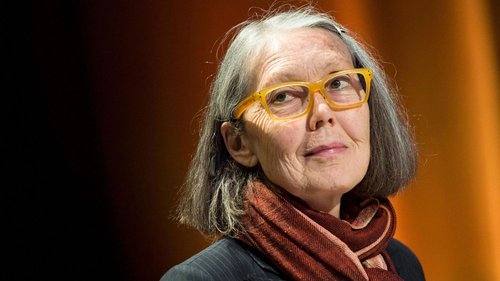
Dr. Molly O'Shea, a pediatrician in Michigan, voices concerns about the recent modifications to federal vaccine guidance, warning that the new terminology and recommendations might exacerbate skepticism and lead to increased illness among children. The guidelines now advise vaccines primarily for high-risk populations or through discussions with healthcare providers, raising alarm among medical professionals about reducing vaccination rates and undermining confidence in vaccines.
Pediatrician Dr. Molly O'Shea in Michigan has observed an increase in skepticism about vaccines and fears that the latest changes to federal vaccine recommendations will exacerbate these concerns. In her experience, parents in democratic regions tend to opt for alternative vaccination schedules, while those in republican areas have even considered forgoing immunizations altogether.
The recent modified guidelines now suggest that certain vaccines should only be administered to at-risk children or through what is termed 'shared clinical decision-making' with healthcare providers. This recommendation has led to growing unease among pediatricians who believe it may contribute to further vaccine hesitancy and ultimately result in increased morbidity and mortality among children.
Dr. O'Shea highlights that the new guidelines signal to parents that only a select few require vaccinations, creating uncertainty about their importance. The term 'shared clinical decision-making' complicates the conversation, as many parents may not fully grasp its implications, leading to confusion around vaccine necessities.
Health Secretary Robert F. Kennedy Jr. has claimed these changes will enhance transparency and align the U.S. with international standards; however, medical professionals assert that such adjustments only sow doubt about vaccines that have been extensively proven safe and effective.
The situation is compounded by crumbling vaccination rates, with the American Academy of Pediatrics and other health organizations urging Congress for a review of the decision-making process behind these changes. As public health experts continue to push for the preservation of childhood vaccination schedules, many families remain steadfast in pursuing immunization for their children, viewing it as essential for communal health.