China Cuts Fuel Price Hikes Amid Rising Energy Costs
In a bid to alleviate the financial burden on its drivers as energy prices continue to soar, China has decided to dial back its planned fuel price hikes. This decision comes in the wake of significant rises in fuel costs attributed to the ongoing conflict in Iran.
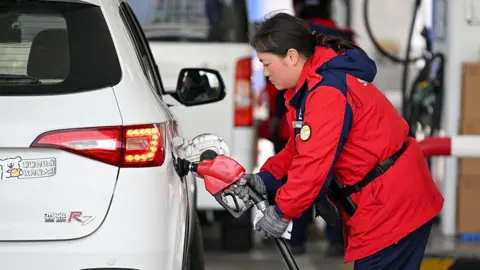
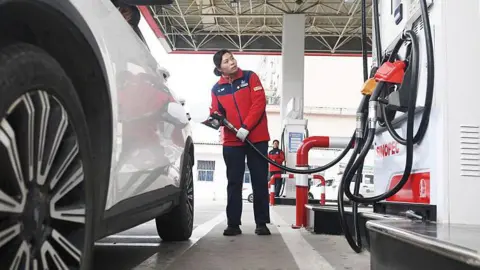
Since the beginning of the conflict, the local price of petrol has surged by approximately 20%, impacting millions who rely on petrol and diesel vehicles.
Initially, the government planned to increase gasoline prices by 2,205 yuan (£239; $320) per tonne and diesel prices by 2,120 yuan, but these hikes have been nearly halved to 1,160 yuan and 1,115 yuan respectively, effective from Tuesday.
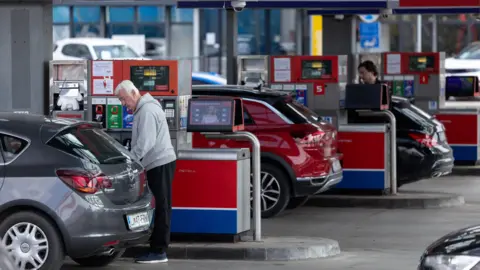
With over 300 million drivers in China dependent on these fuels, the government's decision to reduce price hikes is seen as critical. Long queues of cars outside petrol stations were reported, showing the immediate impact of rising fuel costs on the populace.
On Tuesday, the price of Brent crude oil exceeded $100 per barrel due to fluctuating narratives surrounding US-Iran negotiations, further complicating the global energy scenario.
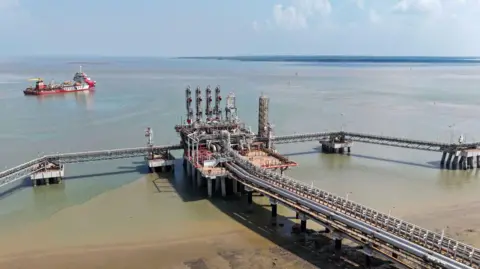
China has made significant strides in building oil reserves and has urged local refineries to reduce fuel exports temporarily, aiming to stabilize domestic supply amid rising prices.
As other Asian countries also implement measures to cushion the shock from soaring energy prices, China's approach reflects a wider regional concern over fuel affordability and economic stability. Philippines, Sri Lanka, and Thailand are examples of nations taking various actions to mitigate the impacts, thereby illustrating the ripple effects of the conflict far beyond Iran's borders.