In brief
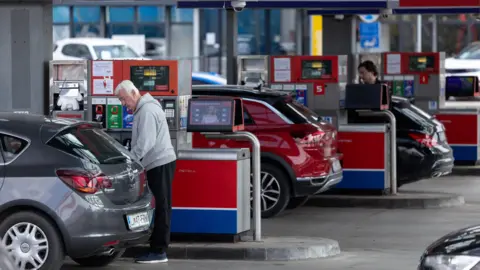
Slovenia has implemented fuel rationing for the first time in the EU due to significant disruptions in the energy market caused by recent US-Israeli strikes on Iran. The new regulations limit private motorists to 50 litres of fuel per day and businesses to 200 litres. The initiative aims to tackle rising fuel prices and curtail 'fuel tourism' from neighboring countries attracted by Slovenia's lower prices. Local petrol stations will monitor compliance, while officials assure there is sufficient fuel supply in the country.
In a decisive move to address disruptions from the ongoing global energy crises, Slovenia has become the first EU member state to implement fuel rationing. This measure comes in response to the steep hikes in fuel prices resulting from the recent US-Israeli airstrikes on Iran, which have destabilized energy markets.
With many countries experiencing elevated fuel costs, Slovenia has observed a phenomenon known as fuel tourism, where drivers from neighboring nations such as Austria take advantage of the country's lower, regulated fuel prices.
Under the new regulations, private motorists in Slovenia are now limited to purchasing a maximum of 50 litres of fuel per day, while businesses and farmers are permitted a more generous limit of 200 litres.
Some retailers had already begun imposing their own restrictions, with Hungary's MOL station introducing a 30-litre cap prior to Slovenia's nationwide policy. Prime Minister Robert Golob has reassured the public, stating, there is enough fuel in Slovenia, the warehouses are full and there will be no fuel shortages. However, local petrol stations are now tasked with policing these limits, ensuring compliance among customers.
Fuel prices in Slovenia currently sit at approximately €1.47 for Euro-super 95 petrol and €1.53 for diesel, markedly lower than Austria, which is nearing €1.80 and €2.00 respectively. These significant price disparities are fueling the trend of motorists crossing into Slovenia to refuel.
While some Slovenians view the influx of foreign drivers as a nuisance, others recognize the economic benefits they bring, as many of these visitors also frequent local shops and restaurants.
As the situation evolves, the ongoing differences in fuel pricing may continue to attract cross-border 'fuel tourists' looking for relief from rising costs.