California Couple Charged With Abuse of 14 Surrogate-Born Children
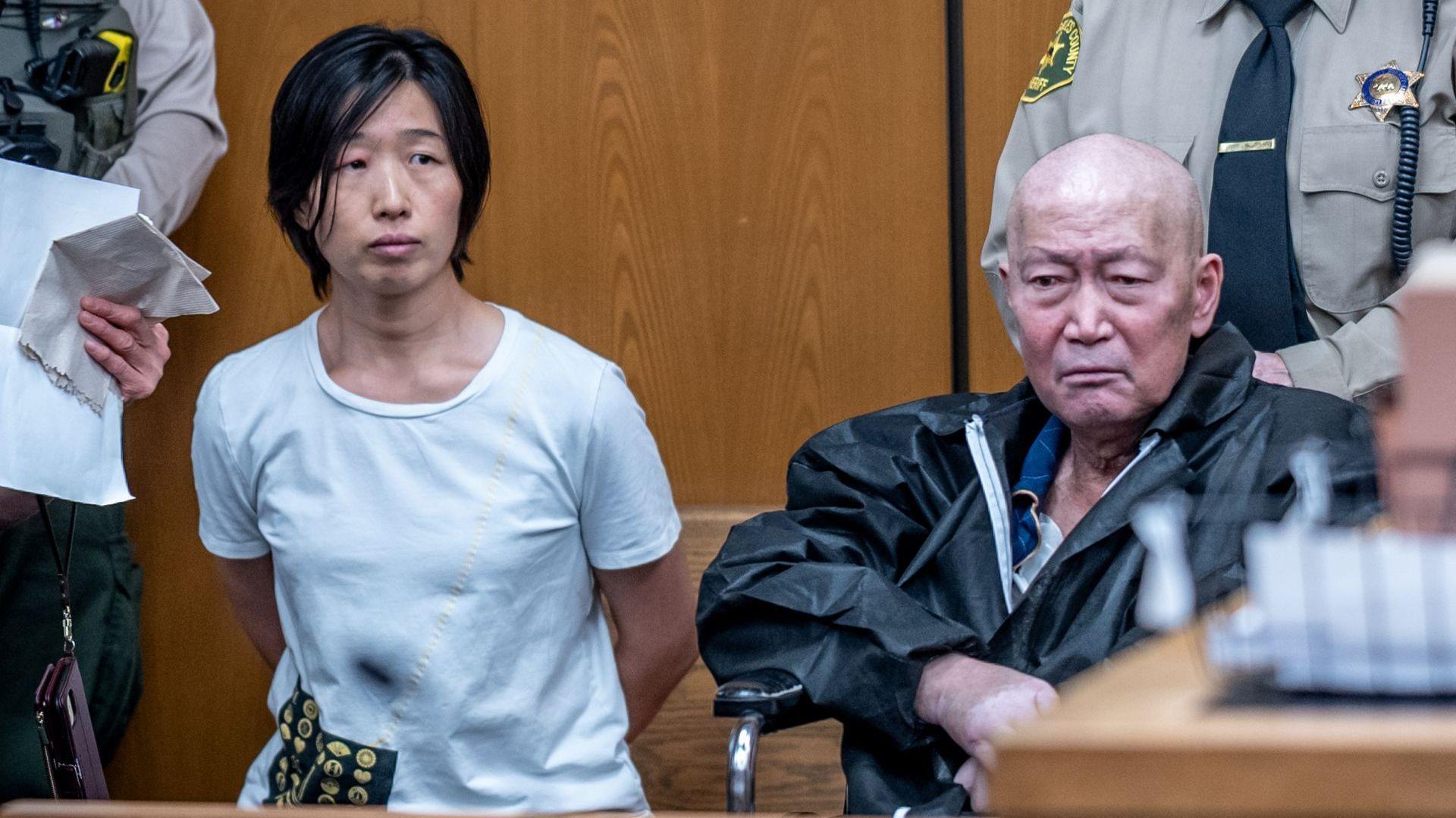
Guojun Xuan, 66, and Silvia Zhang, 39, were arrested at their Arcadia, California mansion on Tuesday and charged with physical abuse of at least 14 children born through their privately run surrogacy company. The couple faces potential prison terms of 17 years for Xuan and 11 years for Zhang.
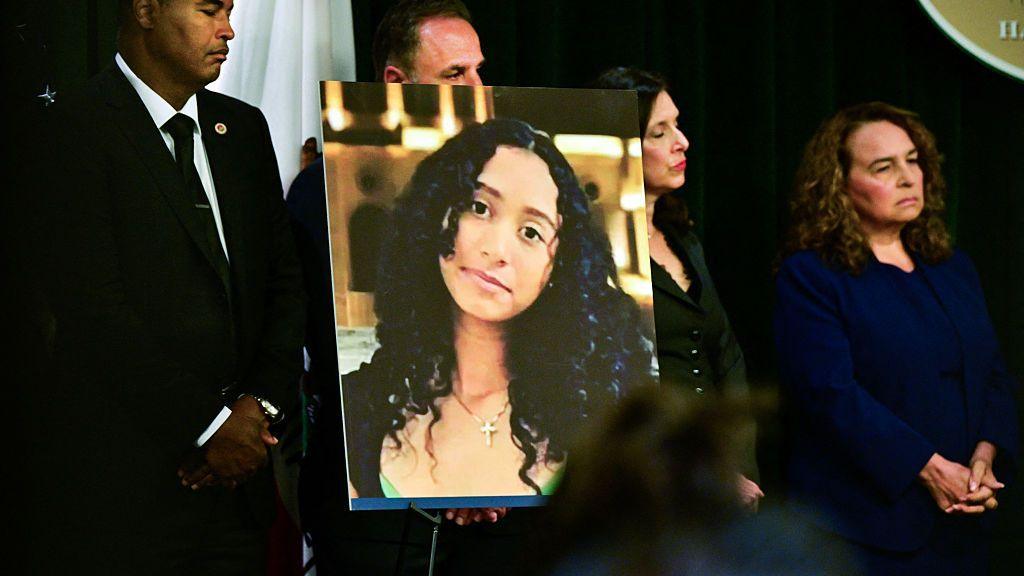
"The number of children who were subjected to this alleged horrific abuse is unprecedented," Los Angeles District Attorney Nathan J. Hochman told reporters following the arrests.
The pair were initially taken in after Zhang brought a two‑month‑old baby to a hospital with a head injury, claiming the infant had fallen from a bed. That admission triggered a police raid on their home, where investigators discovered “three different rooms called learning centres” supervised by several nannies.
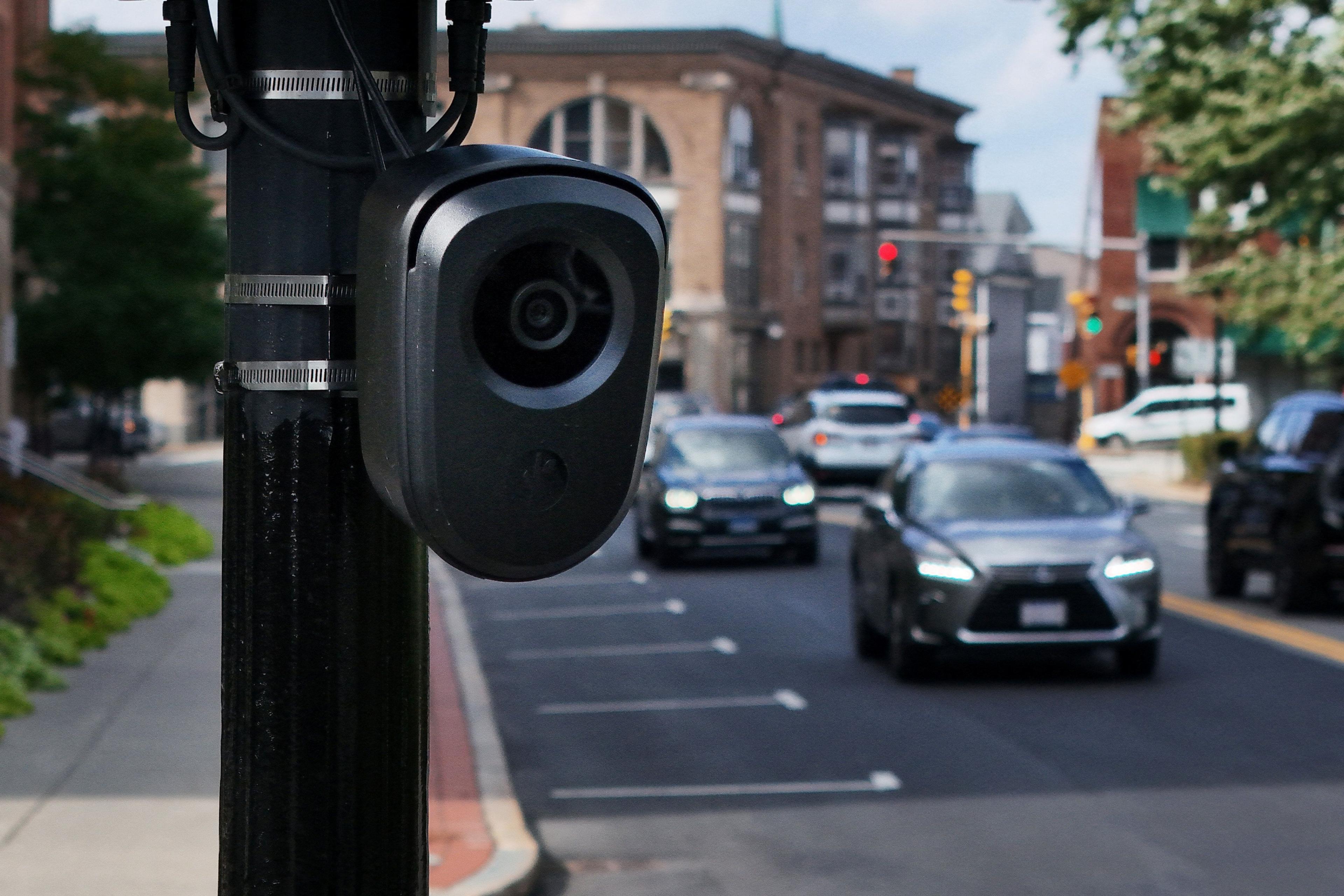
Hochman described the mansion as a “house of horrors” and cited 32 motion‑activated cameras that allegedly captured nanny‑led spankings, slaps and other physical discipline. Footage reportedly shows a nanny, Chunmei Li, hitting the infant in question. Li, 58, was fired shortly after the discovery; she now faces a $105,000 arrest warrant and a prior felony child‑abuse conviction.
The surrogacy scheme allegedly targeted women nationwide who were kept unaware that they were carrying embryos for Xuan and Zhang simultaneously. Organ‑wide records maintained by Zhang include spreadsheets tracking 21 children – 15 of whom were taken from the Haus in July 2025, when the initial raid occurred.
During the arraignment in Pasadena, the defendants both pleaded not guilty. Their attorney, Mitchell Krems, dismissed the allegations as a “mischaracterisation” and highlighted Xuan’s right to have a large family. Krems has argued that the prosecution is overreaching.
Arizona family‑law specialists note that the case is extraordinary because it mixes a surrogacy enterprise with systemic child abuse, a combination rarely seen in criminal courts.
Authorities suspect that the surrogates were deceived into carrying children for separate partners without disclosure. In response, surrogacy lawyer Melissa Brisman expressed relief that the legal system is holding the wrong‑doers accountable, calling for stronger oversight of private surrogacy arrangements.
If convicted, Xuan could face up to 17 years and four months in state prison, Zhang up to 11 years and eight months, and Li up to 12 years. The saga highlights the gaps in regulation and accountability within California’s surrogacy market, underscoring the urgency for reforms to protect children and families alike.