Data Breach Sends FBI Agents into Chaos
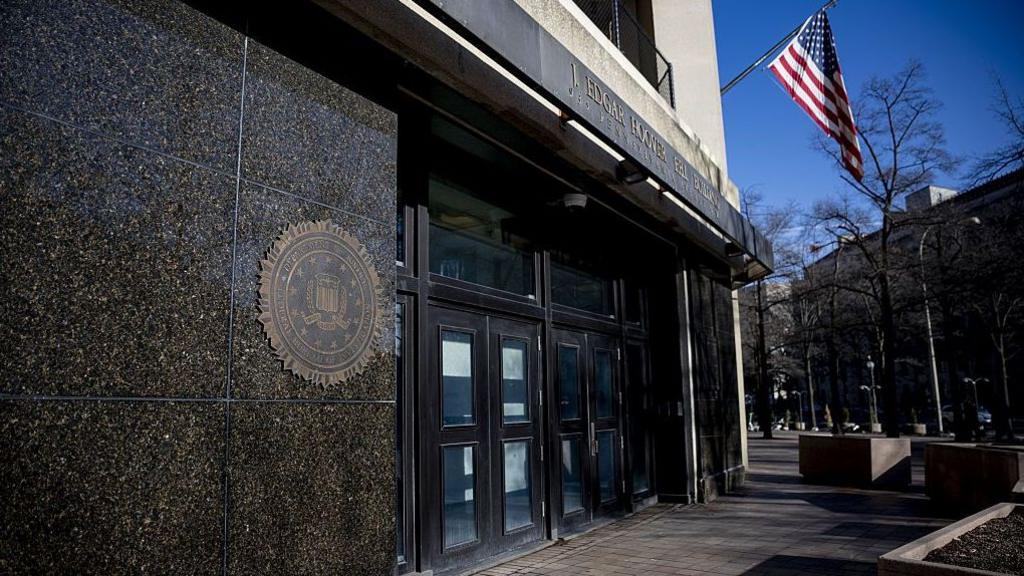
Agents of the Federal Bureau of Investigation are in turmoil after a data‑exfiltration incident that unlocked personal details of every employee. The breach, attributed to the hacking collective ShinyHunters, released home addresses, contact numbers, badge numbers, job titles and even sensitive medical records.
"This is a serious loss for undercover work," said a former cyber‑investigator, anxious that his colleagues’ safety could be compromised. In a group chat, he shared concerns that criminals could use the data to launch targeted phishing, blackmail or even violent harassment of agents.
ShinyHunters has threatened to publish the stolen data within four days unless the FBI retracts an advisory issued in May that it claims “offended” the group. The hackers’ demands do not include a ransom; instead, they are demanding symbolic political action.
Personal Details at Risk
Samples of the data show names, addresses, phone numbers and even details of spouses, suggesting that families of agents could become targets. Medical examinations have revealed conditions such as high cholesterol, blood‑in‑urine and shellfish allergies, raising concerns about misuse for blackmail or targeted attacks.
"The data could be used as a weapon against agents and their families," warned Michael McPherson, a former FBI agent turned VP of security operations at ReliaQuest. Other experts note that such a breach could also invite recruitment by hostile foreign intelligence services.
Reaction and Fallout
Responding to the incident, the FBI said it was aggressively investigating how the servers were compromised. Despite this, agents remain furious, accusing leadership of sloppy security that allowed a comparatively unsophisticated group to succeed.
The hackers, often teenagers communicating through Telegram, have a history of high‑profile extortions, including attacks on Rockstar Games and the education platform Canvas. Law‑enforcement experts fear another wave of “swatting” incidents could follow, with armed police responding to false threat calls against agents.
"The bureau does not know what to do with teenage criminals," said a senior former agent. Meanwhile, the FBI’s response includes urging agents to use a data‑broker removal service, a measure seen by many as inadequate given the breadth of the leak.
The Larger Implications
The breach highlights the vulnerability of even the US’s most resourced law‑enforcement agencies. Given terrorists and foreign operatives could now map out FBI personnel, the agency faces a renewed urgency to strengthen both digital and physical security protocols. Meanwhile, the public remains uncertain whether the FBI will meet the hackers’ demand or fail in the face of an unprecedented cyber‑attack.
In the coming days, investigators will track whether ShinyHunters honor their threat to release the data, potentially igniting a new wave of cyber‑security panic across the national government and law‑enforcement community.