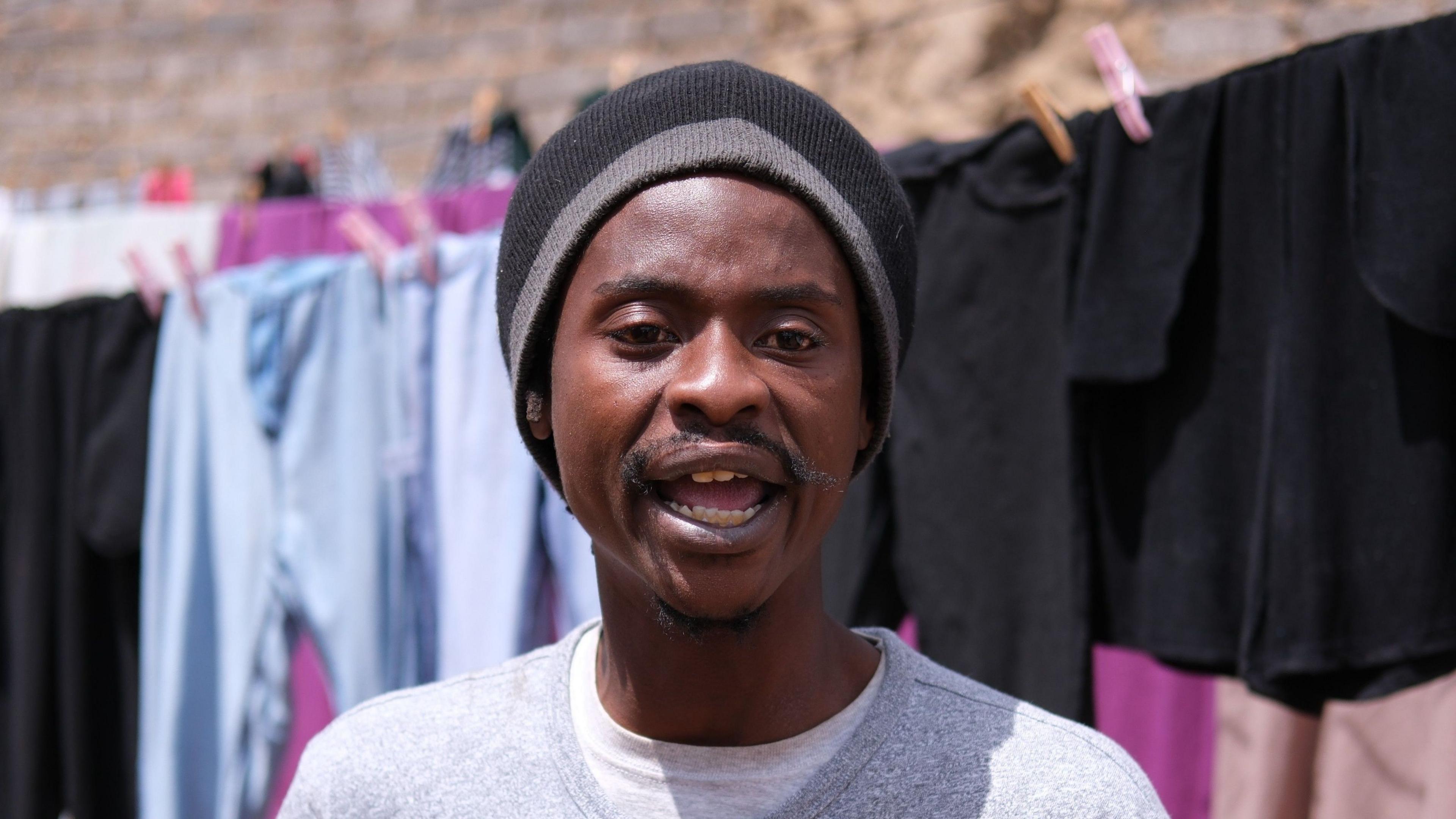
"I was hurting inside, so I came to tell my story." These were Seo Mi‑hyeon’s first words to police, a woman living with an intellectual disability who could only speak in brief gestures yet vividly recalled nights of sexual assault by Saekdongwon’s director, surname Kim. Three residents were found to have been raped, and a Seoul court imposed a 15‑year sentence on Kim – a verdict now under appeal.
The abuse began shortly after Seo entered the Incheon‑based state‑subsidised facility in 2016. Without a trusted adult, residents were left to endure nightly attacks, and evidence was only uncovered when Seo suffered a head injury in February 2025. Her mother’s request for CCTV footage was denied, forcing her to withdraw from the home and finally disclose the abuse to authorities.
Police investigations expanded to other residents, uncovering at least two additional victims. A judge deemed all three testimonies credible; Kim was convicted of rape for two victims and a lesser sexual violence charge for the third. Protesters and disability rights groups argue that the legal findings undervalue the victims’ incapacities and praise the judiciary for recognising the power imbalance exploited by a caretaker.
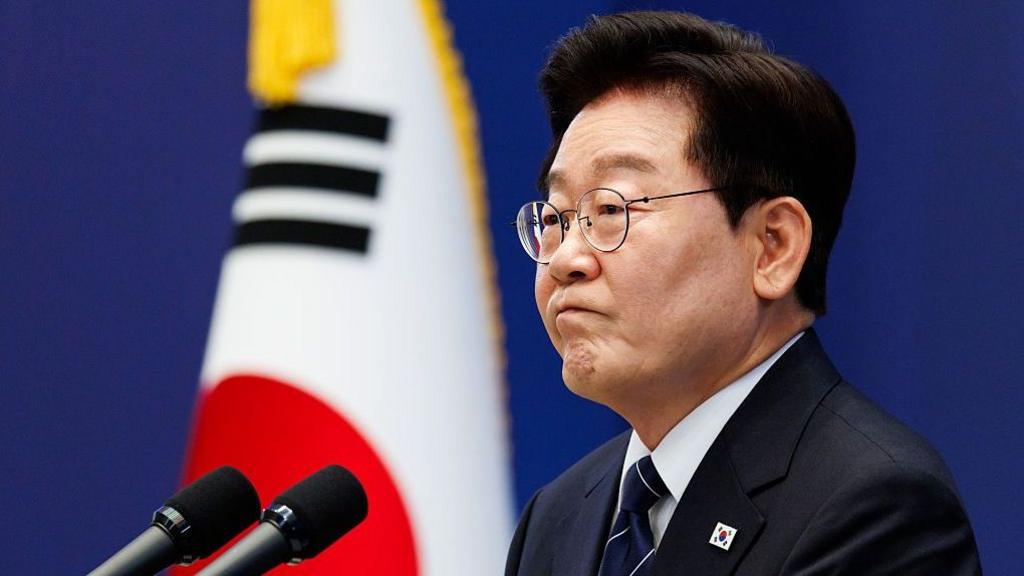
The fallout triggered nationwide scrutiny. The Prime Minister commissioned a cross‑government taskforce, inspected 1,507 facilities, and identified 33 suspected abuse cases – opening investigations into eight. The local Ganghwa County authorities closed Saekdongwon pending resettlement and revoked its licence, though the facility has lodged a lawsuit against the decision.
Activists highlight systemic barriers: severed families’ access to alternative residences, long waiting periods for approved placements, and an inspection regime that prioritises paperwork over residents’ welfare. Jo Ha, a counselling centre representative, notes that survivors often cannot afford the burden of moving away, perpetuating vulnerability.
“We want to live in peace.” Seo now speaks of newfound freedom to eat, sleep, and decide when to leave the facility. She urges reforms that will guarantee safe, non‑violent homes for people with disabilities, underscoring that the Saekdongwon case is a warning of the structural violence still pervasive across South Korea’s care system.