Men of Johannesburg Unite to End Violence Against Women
In the cramped, corrugated‑metal streets of Organic Market – a slum on the edge of Alexandra township – a group of men have taken to the dust‑laden ground to confront a crisis that has haunted the city for decades: violence against women.
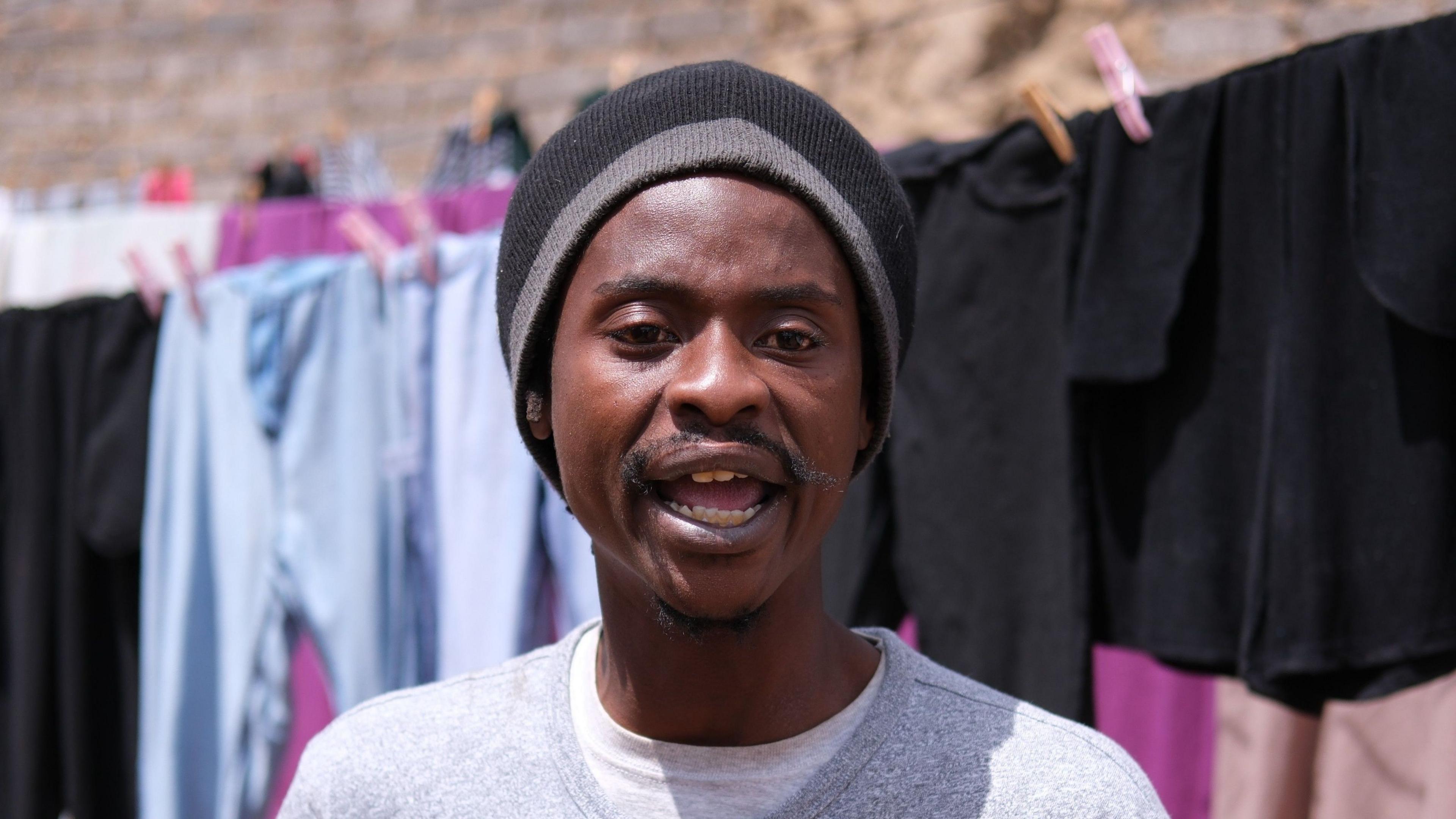
Kgomotso Mathekga – a 30‑year‑old roofer – openly admits to slapping his girlfriend on a drunken night. “I once had an argument with my girlfriend,” he says, his voice low, “and I grabbed and slapped her.” He seats beside Bra Steve, the charismatic local organiser of Father A Nation, as the men form a tight circle, holding hands, sharing bottled beer, and agreeing that change must come from within.
Bra Steve, a former street vendor, shouted, “We are men!” The circle erupted in cheers. He explained Father A Nation’s mission: to teach positive masculinity and to eradicate gender‑based violence. “We get men to talk, to process their feelings,” he explains. “And as they do, this healing takes place. Then we teach and train them to be better partners and fathers.”
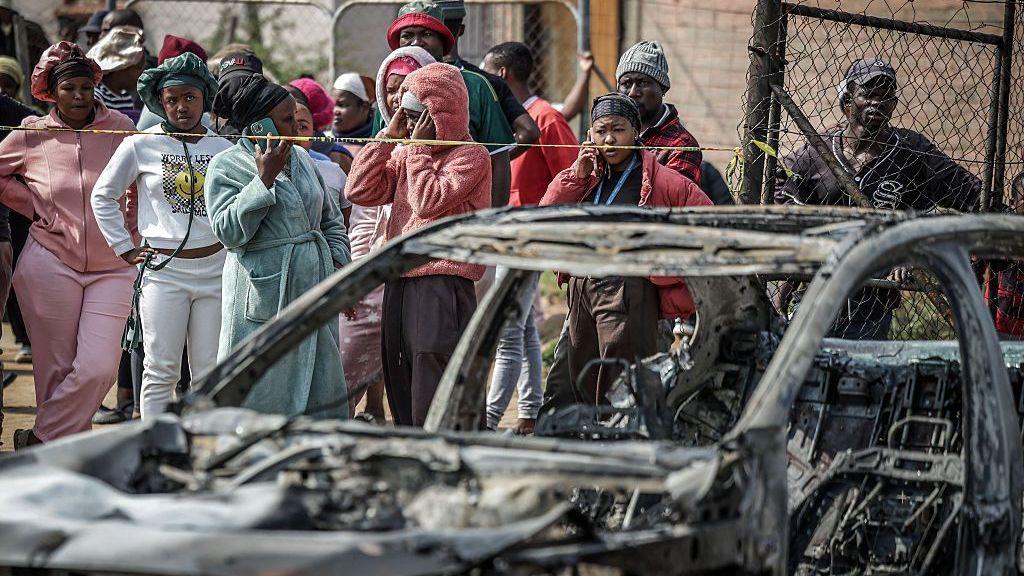
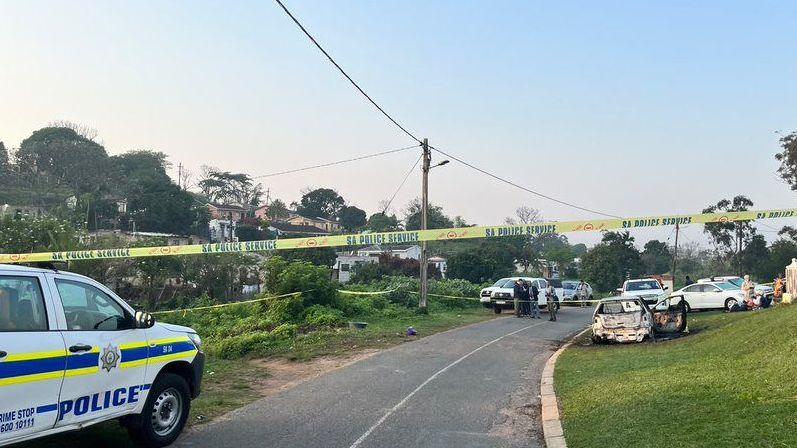
The meeting’s timing is stark. Within the past three months, 12 women had been found dead in Ekurhuleni, a Johannesburg suburb. The South Africa Human Rights Commission reports that 569 women were killed between April and June 2026, a rate of 6 per day. In the same span, 1,052 women survived attempted murder.
The numbers echo a broader trend. A 2022 Human Sciences Research Council study revealed that more than 35% of South African women experienced physical or sexual violence, often from an intimate partner. Men who suffer from a lack of male role models – as Mathekga notes – may inadvertently perpetuate these behaviours.
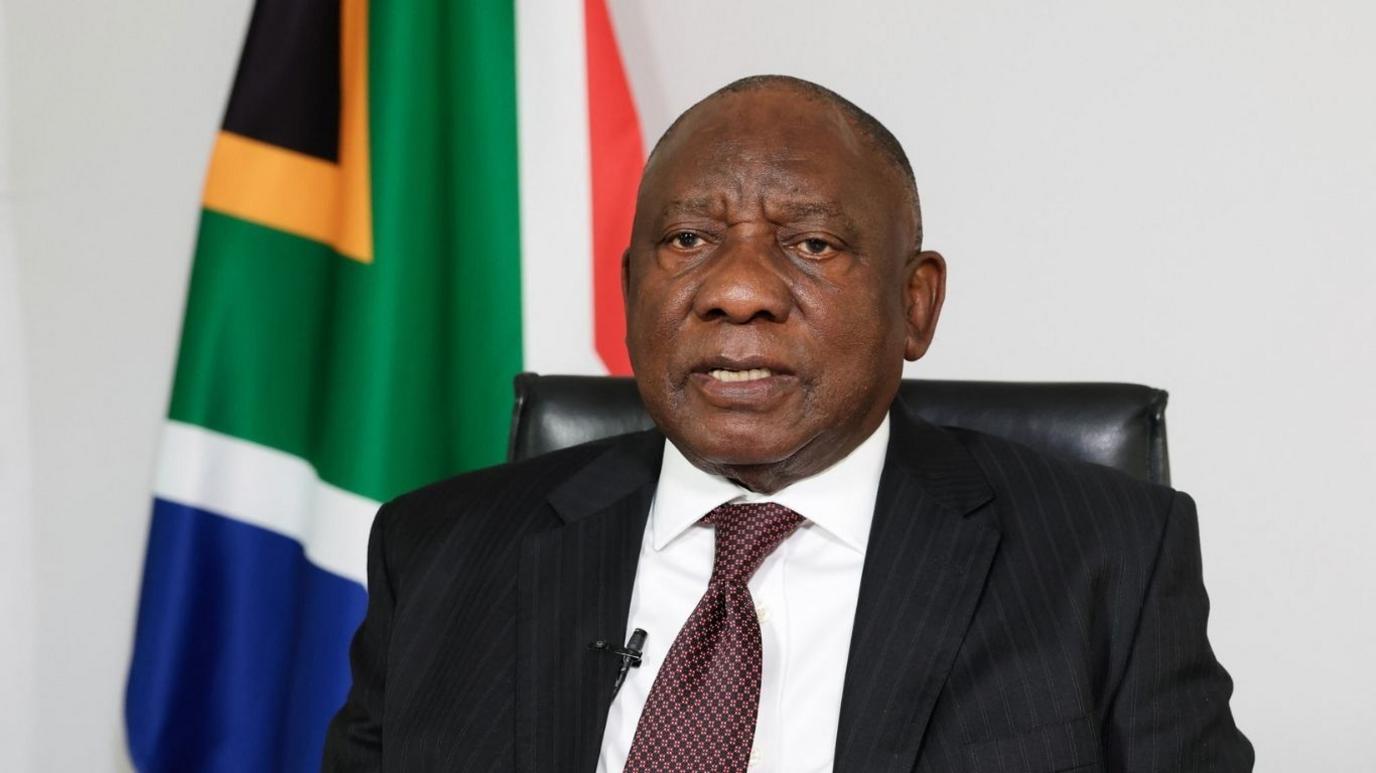
President Cyril Ramaphosa has acknowledged that the government has failed to keep women safe. He announced a plan to enhance street lighting and launch a review of unsolved cases, hoping to make women feel more secure. Yet critics like Zizipho Mtwesi, project co‑ordinator of Father A Nation, say policy is too little, too late. “When I think about all of these recent murders in Johannesburg, I get angry. Why do we have to wait for this to happen for us to act?” he asks.
Women in the community face daily fears. “We are not safe when we are outside our place,” says Linkie, who cleans clothes in a large metal bucket. Some women now rely on cab services for fear of abduction. The unsettling silence in the streets has prompted both men and women to call for openness and trust.
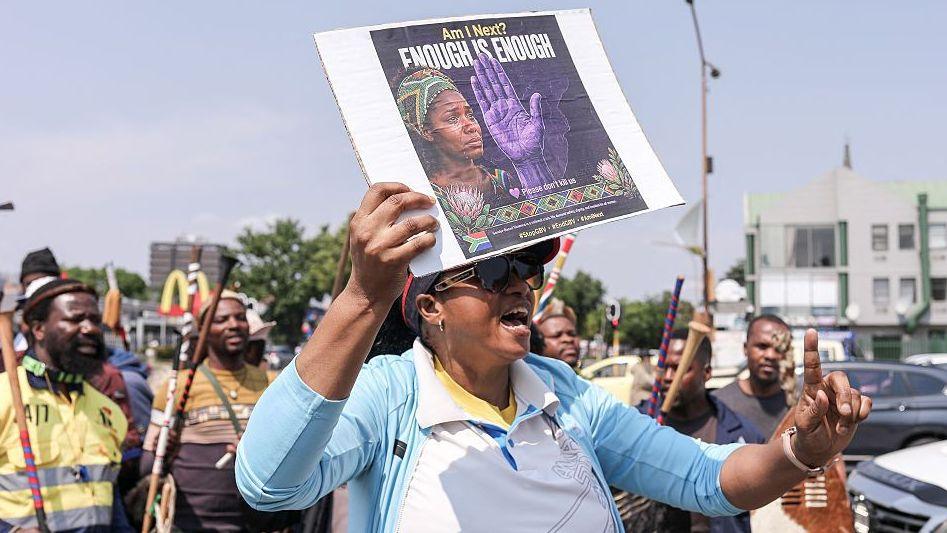
The men’s gathering, located outside a local tavern, culminates with Bra Steve urging participants to “choose what kind of man you want to be.” He stresses that every man must “play a part” in protecting women; otherwise the cycle of violence continues: “If you would not allow these things to happen to your own daughters or mothers, then you must not allow it to be done to someone else,” he says.
Mathekga, moved by the conversation, vows to carry the lessons forward. “We no longer have role models,” he says. “Our fathers and our uncles, they are there in prison. We must now become role models and help make this country better.”
The broader picture remains grim. Unsolved cases, uncertain suspects, and the absence of a clear strategy to curb femicide keep South Africa’s safety crisis looming. While the government’s new measures might bring incremental improvements, the grassroots movement led by men like Bra Steve signals a turning point: a call for accountability, community healing, and a redefinition of masculinity that protects everyone.
For more on this story, and related coverage, visit BBC Africa’s website. Follow the discussion on Twitter @BBCAfrica, Facebook BBC Africa or Instagram @bbcafrica.