Six Flags Magic Mountain Retires Iconic X2 Rollercoaster Amid Brain Injury Allegations
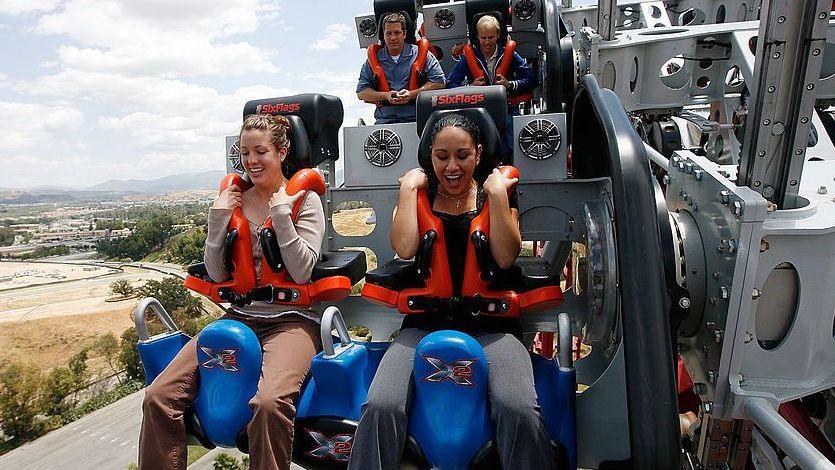
Los Angeles, Sept 29 – Six Flags Magic Mountain has officially retired its popular X2 rollercoaster, a decision that follows a cascade of lawsuits in which more than 200 riders claim they sustained brain injuries while riding the attraction.
The X2, which first ran in 2002 as the X and was renamed in 2003, has been a fan‑favorite for its high‑speed corkscrews and 360‑degree spinning seats. However, the park’s safety team said the ride had passed a completion of “comprehensive tests” before the closure, yet felt that “the right thing to do” was to retire it after “a growing number of reports” of neurological injury.
A law firm that represents plaintiffs in the ongoing litigation, Dordick Law Corporation, stated that hundreds of riders were “facing catastrophic brain injuries, some requiring emergency brain surgery.” The firm added that the decision, while stopping the ride’s operation, does nothing for those already harmed.
Former Six Flags Magic Mountain Park president Brian Oerding said in the announcement, “Ride safety is a cornerstone of our business, and when we see guest confidence affected, we take it seriously.” He noted that the retirement “doesn’t absolve us of responsibility”, but it is the first step toward a safer future.
The X2 welcomed more than 16 million riders from its 2002 debut until its retirement, but the park’s decision follows the tragic death of Christopher Hawley, a 22‑year‑old who died after riding the rollercoaster in 2022. Hawley’s family settled a wrongful‑death suit with the park last August and called for tighter government oversight, warning that “we cannot rely on profit‑centered corporations to do the right thing only after enough people have been hurt.”
With the X2’s departure, experts speculate that other park attractions may come under scrutiny, especially those featuring spinning elements or high‑intensity forces. Regulators and riders alike await the next wave of safety reforms that may shape the future of thrill rides in the United Kingdom and across the world.