In brief
As Afghanistan grapples with unprecedented hunger and unemployment, many fathers are faced with the unthinkable choice of selling their daughters to ensure the survival of their families. With dwindling aid and overwhelming despair, these stories highlight the grim realities faced by citizens in the wake of financial collapse and social unrest.
As dawn breaks, hundreds of men gather at a dusty square in Chaghcharan, the capital of Ghor province in Afghanistan. They line the roadside with weary faces, hoping someone will come along offering any work. It will determine whether their families eat that day. The likelihood of success, however, is low.
Juma Khan, 45, has found just three days of work in the past six weeks that paid between 150 to 200 Afghani ($2.35-$3.13; £1.76-£2.34) per day. My children went to bed hungry three nights in a row. My wife was crying, so were my children. So I begged a neighbour for some money to buy flour, he says.
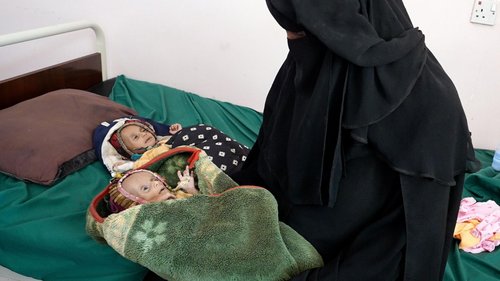
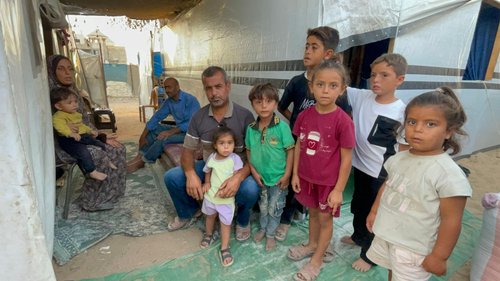
In Afghanistan today, a staggering three in four people cannot meet their basic needs, according to the United Nations. Unemployment is rife, healthcare struggling, and the aid that once provided the basics for millions has dwindled to a fraction of what it once was.
The country is now facing record levels of hunger, with 4.7 million – more than a tenth of Afghanistan's population – estimated to be one step away from famine. Ghor is one of the worst-affected provinces, and the men here are desperate.
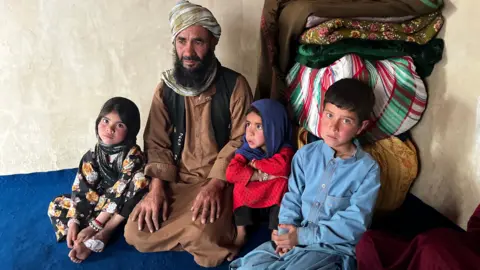
As fathers like Abdul Rashid Azimi express willingness to sell their daughters, the gravity of the situation becomes apparent. I'm willing to sell my daughters, he weeps. I'm poor, in debt and helpless. ... If I sell one daughter, I could feed the rest of my children for at least four years, he confesses.
The practice of underage marriages is prevalent, compounding the crisis as restrictions on education for women and girls have become more pronounced. Moreover, the cultural belief that sons are seen as future breadwinners further exacerbates this heartbreaking dilemma.
As aid dwindles and poverty rises, families face harrowing questions that no parent should ever have to ask: How do I keep my children alive?