In brief
In Afghanistan, an alarming three in four people cannot meet basic needs due to crippling unemployment and dwindling aid. With hunger levels at a crisis point, fathers are driven to sell their daughters, a heartbreaking choice rooted in poverty and desperation. This article sheds light on the harsh reality faced by families in Ghor province, where men gather in hopes of finding scarce work as they confront impossible decisions to keep their loved ones fed.
As dawn breaks, hundreds of men gather at a dusty square in Chaghcharan, the capital of Ghor province in Afghanistan. They line the roadside with weary faces, hoping someone will come along offering any work. It will determine whether their families eat that day, but the likelihood of success is low.
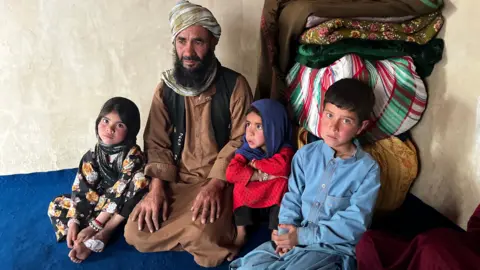
Juma Khan, a father of three, has worked only three days in the past six weeks, earning between 150 to 200 Afghani ($2.35-$3.13). 'My children went to bed hungry three nights in a row. My wife was crying,' he said.
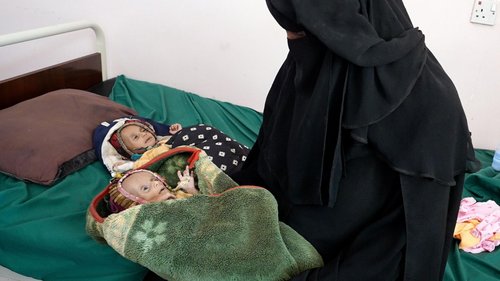
Currently, three in four people in Afghanistan cannot meet their basic needs, reflecting an unemployment crisis exacerbated by drastic cuts in foreign aid and strict Taliban policies against women. Record levels of hunger plague the nation, with Ghor among the hardest-hit provinces. Here, fathers are resorting to the unimaginable—selling their daughters to provide for their families.
Abdul Rashid Azimi, one father, describes his despair, stating, 'I’m willing to sell my daughters for marriage or domestic work. Selling one could feed my other children for four years.' His heartache echoes the sentiments of many others who feel trapped in a cycle of poverty.
Tragically, the act of selling daughters is steeped in tradition and an acute sense of survival; sons are perceived as future breadwinners with daughters often seen as burdens due to cultural norms limiting opportunities for girls. Saeed Ahmad recently sold his five-year-old daughter for marriage in order to pay for her medical expenses, an agonizing decision made under pressure.
The situation is dire: severe droughts and lack of stable employment have stripped many families of any means of survival. Men line the streets not just for work but to ensure their children can eat, face risks of disease, and fear losing their loved ones to hunger.
As families in Afghanistan face impossible choices, the plight of fathers sacrificing their children in the name of survival remains profoundly tragic and alarming.