In brief
This article delves into the dire circumstances in Afghanistan, where three in four people cannot meet basic needs, leading some fathers to consider selling their children to ensure the survival of the rest of their family. With record levels of hunger and declining aid, the heartbreaking choices that families face highlight the human cost of political and economic instability.
As dawn breaks, hundreds of men gather at a dusty square in Chaghcharan, the capital of Ghor province in Afghanistan, hoping for work that will determine whether their families eat that day. However, with unemployment rampant and aid dwindling, the chances of finding work are low.
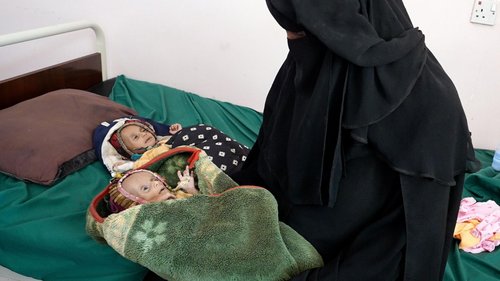
Ongoing studies reveal that three in four Afghans face severe food insecurity, with the country facing record levels of hunger affecting millions. The desperation among fathers is palpable, as some are forced to consider selling their children to provide for other family members.
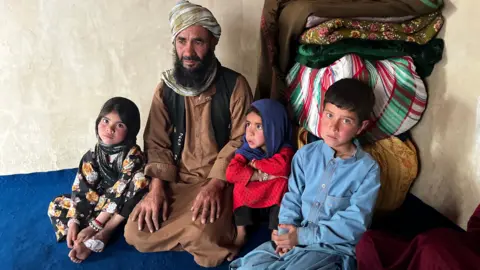
“I’m willing to sell my daughters,” sobs Abdul Rashid Azimi, fearing that without extreme measures, he cannot nourish his other children. His anguish is echoed by countless other fathers, who reveal their heartbreak over being unable to provide basic necessities.
Amidst this turmoil, many families recount harrowing tales, like that of Saeed Ahmad, who was compelled to sell his daughter to afford medical care. While her surgery was successful, the emotional toll of such a decision is immeasurable.
With substantial financial aid cuts and political instability compounding their plight, the people of Afghanistan are caught in a cycle of hardship that has reduced many to make the most impossible choices for their families' survival.
This crisis calls for urgent humanitarian assistance and a reevaluation of international policies impacting the region, as countless lives hang in the balance.