Cockroach Protesters Vanquished: Delhi Police Detain CJP Leaders Ahead of March
Hundreds of young activists arrived in Delhi to demonstrate for electoral reforms, but security forces detained the movement’s leaders before the march could begin.
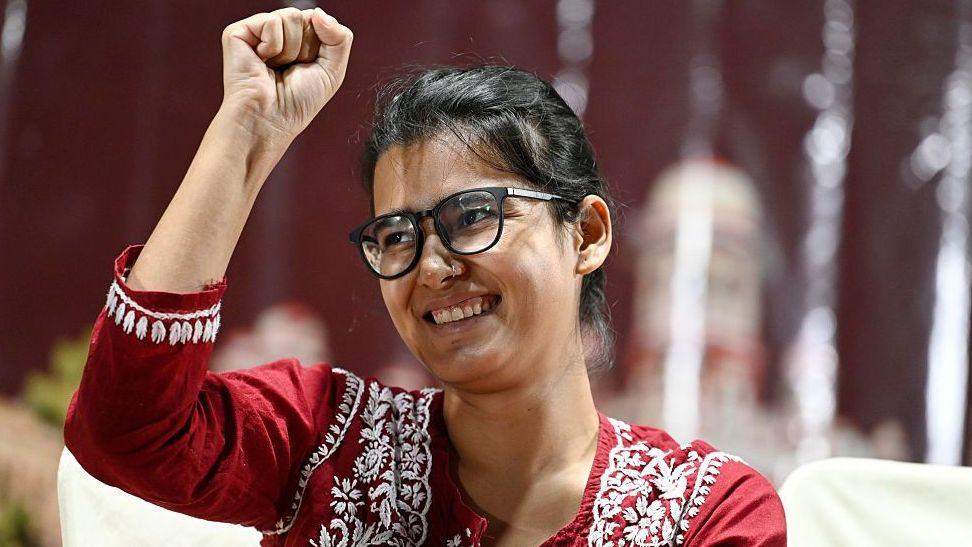
The Gen‑Z‑led Cockroach Janta Party, or CJP, was founded by Abhijeet Dipke after the country’s chief justice compared unemployed youths to cockroaches. The comparison sparked a viral conversation on social media, and Dipke’s post about all cockroaches uniting gave the movement a sharp, memorable name.
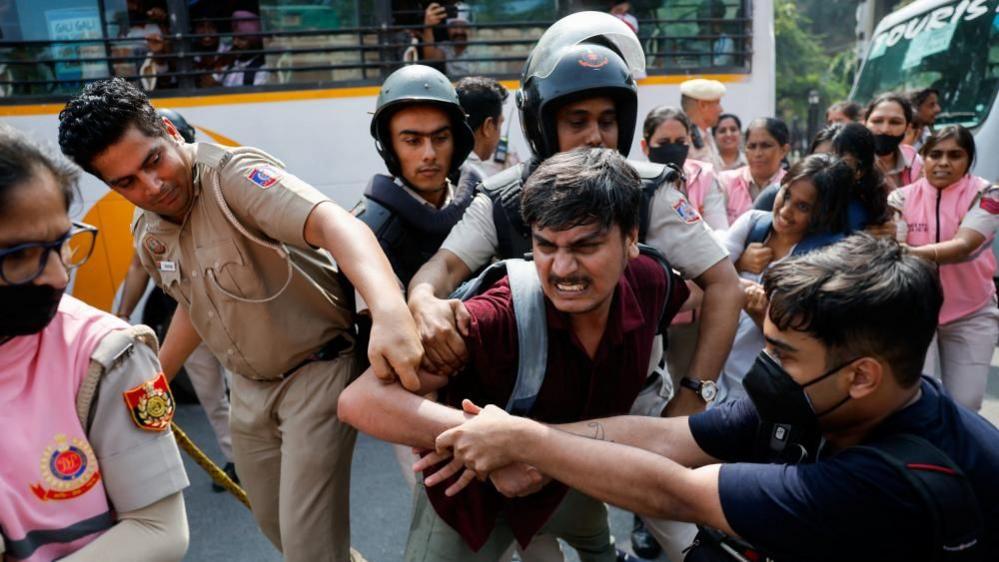
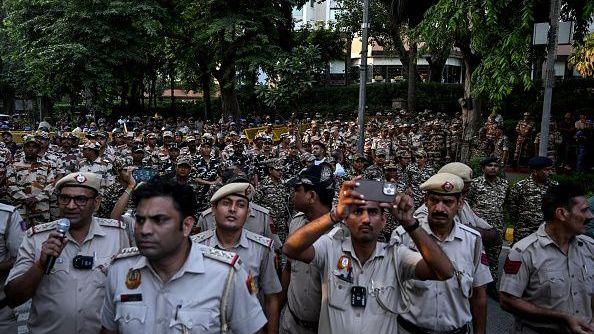
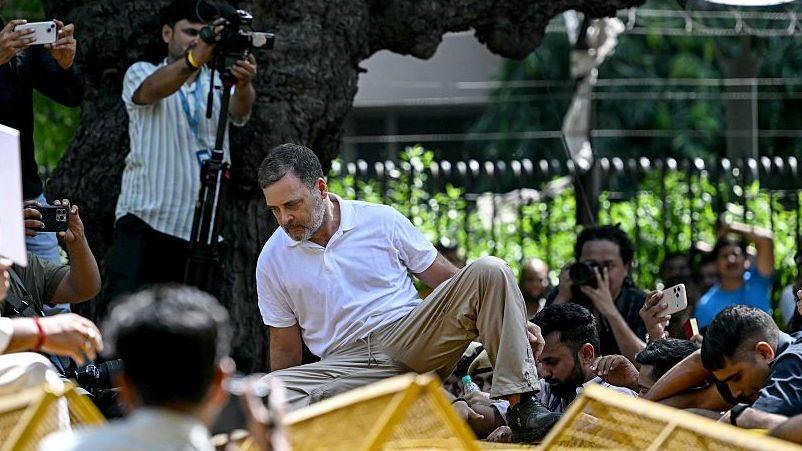
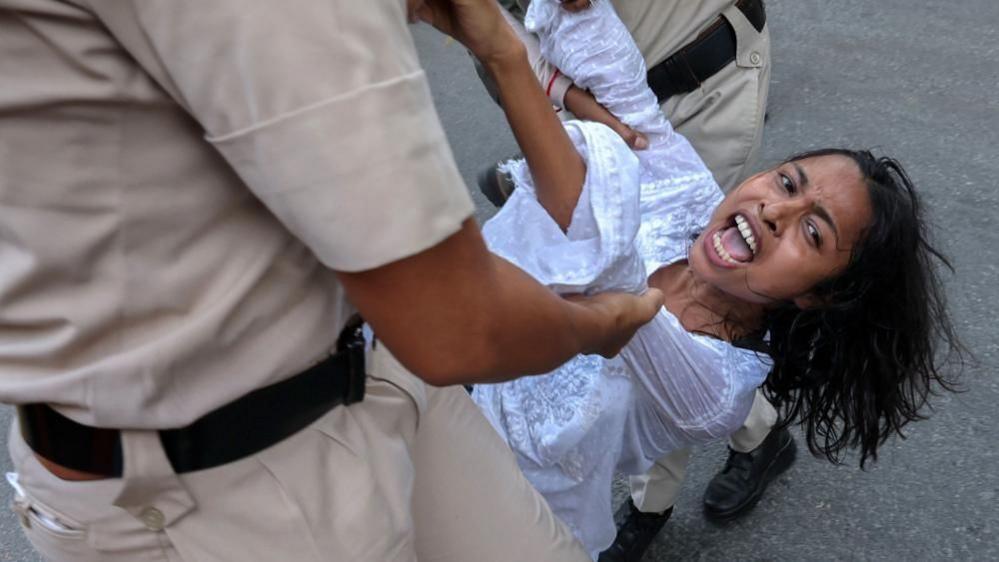
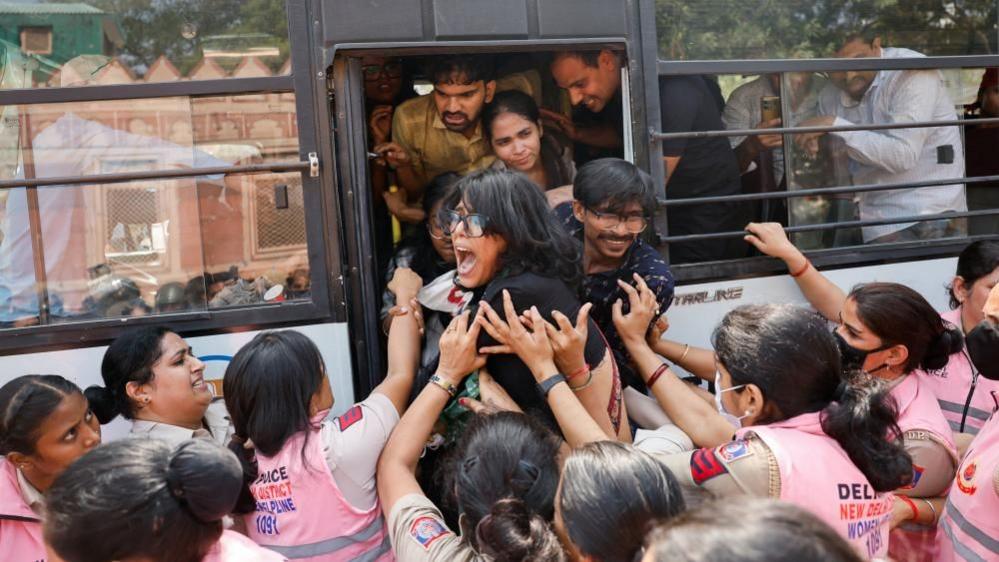
Upon arrival, three CJP leaders – Dipke, Saurav Das and Ashutosh Ranka – were taken from their flight and held at an undisclosed police location. Beside the detention, the police blocked major roads and the crowd could not approach the planned protest site at Jantar Mantar.
Delhi Police declined to comment on the detentions and refused permission for the protest to take place at the historic landmark. The protest leaders demand the resignation of Chief Election Commissioner Gyanesh Kumar, citing allegations that voter lists are biased in favour of the ruling party.
Video clips from the CJP released a warning that the protest would continue even if police tried to stop it. Meanwhile, students such as Neha Bora urged demonstrators to hold the line, and a bus packed with detained protesters was seen being driven away in police uniforms.
Pandemic‑era infrastructure had already shut down several metro stations and cancelled train services, adding to the chaos. The crackdown has raised questions about the balance between civil activism and the state’s need for security in a pre‑election climate.
As India heads toward crucial state elections, the CJP’s bold stand on electoral reform has become a flash point for both protests and the government’s response to dissent.