Vanishing Act: India's Street Magicians Fight for Survival
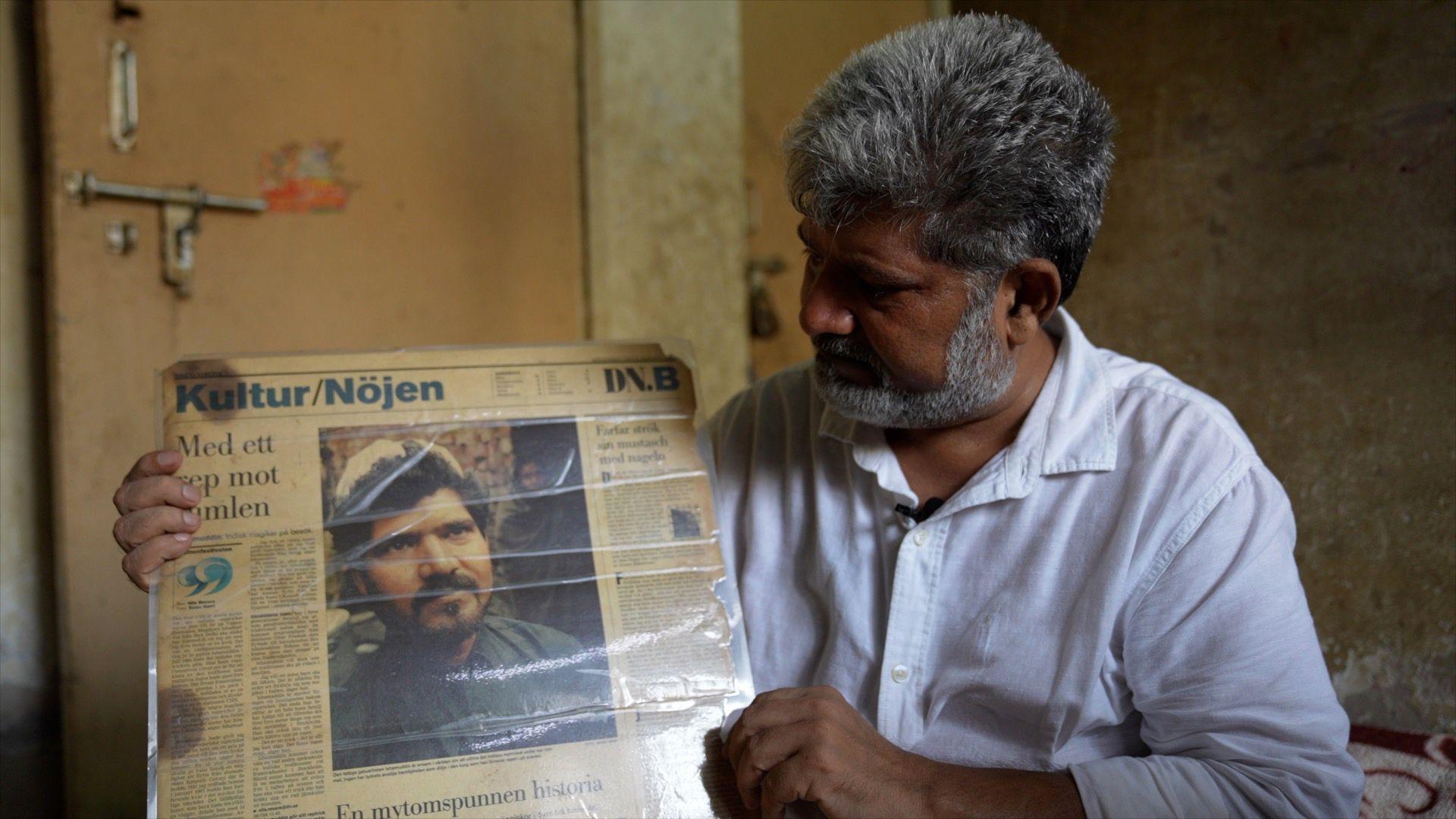
In a cramped Delhi flat, 55‑year‑old Ishamuddin Khan still recalls the exact moment a rope burst into the air, a trick that once made him famous across three continents.
His years of international acclaim now lie behind him, replaced by the quiet of photographs, newspaper clippings and a looming sense that the art he inherited is slipping from his fingers.
"The times have changed, street magic is dying a slow death. It is on a ventilator," Khan says, summarising the plight of many traditional performers.
For community members from the centuries‑old Madari family, each performance was more than entertainment; it was a cultural transmission from father to son.
But the markets of modern India have shifted. Tighter security, new municipal rules, and privately held public parks cut the spaces where magicians could once thrive.
Without a federal busking framework, performers fight for unclear permissions, must navigate anti‑begging laws, and risk being seen as nuisances rather than artists.
COVID‑19 amplified the crisis. The 2020 lockdown halted street shows. Many returned to their villages and did not come back, while others took up jobs as rag‑pickers, as in the case of 40‑year‑old Imam Khan.
In contrast, younger performers like Shahim Khan continue to perform in industrial zones where footfall is sparse, earning far less than the 1,200 rupees he made before the pandemic.
The lure of short‑form digital content, the rise of app‑based entertainment, and the private bareness of outdoor spaces further erode the audience base.
Experts warn that if current trends continue, few will master the rope trick again. "A trick can survive only if someone learns it," Khan laments, echoing the ring of his own floppy rope.
The story underscores a broader cultural shift: traditional, orally transmitted arts are at the brink of extinction unless new models—perhaps digital, perhaps policy‑driven—are adopted.