In brief
India’s status as the world’s biggest sugar consumer is under duress as a combination of erratic rainfall, disease‑hit cane crops and high festival demand pushes prices up nearly 40% in two months. The government has, for the first time in ten years, imported one million tonnes of sugar to shore up supplies. While exports were halted earlier in the season, the crisis illustrates how over‑optimistic production estimates and a diversion of cane to ethanol have strained domestic availability. The import, along with measures to curb hoarding and allow duty‑free sales from special economic zones, aims to stabilise the market before India’s peak celebration season. The episode serves as a warning that more accurate crop forecasts are needed for future stability.
India’s Sweet‑Season Squeeze: A Sugar Crisis Unfolds
India, the world’s largest consumer of sugar, is bracing for a season where demand spikes will collide with a crop that has failed to meet expectations.
In the past 60 days sugar prices have climbed almost 40%, forcing the government to step in and import 1 million tonnes—a move not seen since the drought‑hit decade in 2015. The import is aimed at protecting a string of festivals—Ganesh Chaturthi, Dussehra and Diwali—followed by the wedding calendar that alone can swell demand.
The current season’s projected production of 30.6 million tonnes, down 11% from the earlier 34.3 million estimate, leaves the country with just enough sugar to soak up the excess demand. A kilo that once sold for ₹40‑45 ($0.42‑$0.47) rose to over ₹58‑60 in August, though prices have begun a modest descent.
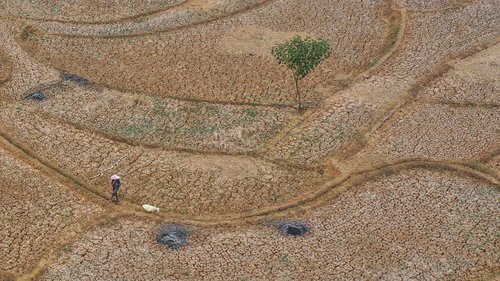
Why the sudden shortfall? The Ministry cites a penalty of the El Niño‑driven monsoon, disease‑inflicted cane, and reduced harvesting capacity, but industry experts point to overestimated crop projections and early sugar exports that ran ahead of the real shortfall.
Export approvals for 1.5 m tonnes were granted early in the season, with an extra 0.5 m tonnes added in February. By May, 0.8 m tonnes had already shipped before authorities halted further exports. Now, to cushion domestic stocks, sugar refineries in special economic zones near ports will sell duty‑free sugar for three months, beginning 1 September.
The crisis is compounded by the diversion of sugarcane to ethanol for the E20 petrol blend: about 3 million tonnes are earmarked for biofuel, leaving the same amount for domestic use. With India producing just under 28 million tonnes of sugar last season, every bean‑to‑black‑pudding diversion tightens the squeeze.
Governments have long used export bans to protect domestic prices, but the current shortage showcases the sharp difference between earlier over‑optimistic forecasts and the reality of an erratic monsoon. While the imports are meant to provide a buffer, analysts warn that high prices could soon persuade refineries to reduce ethanol diversion, easing the strain for next season.
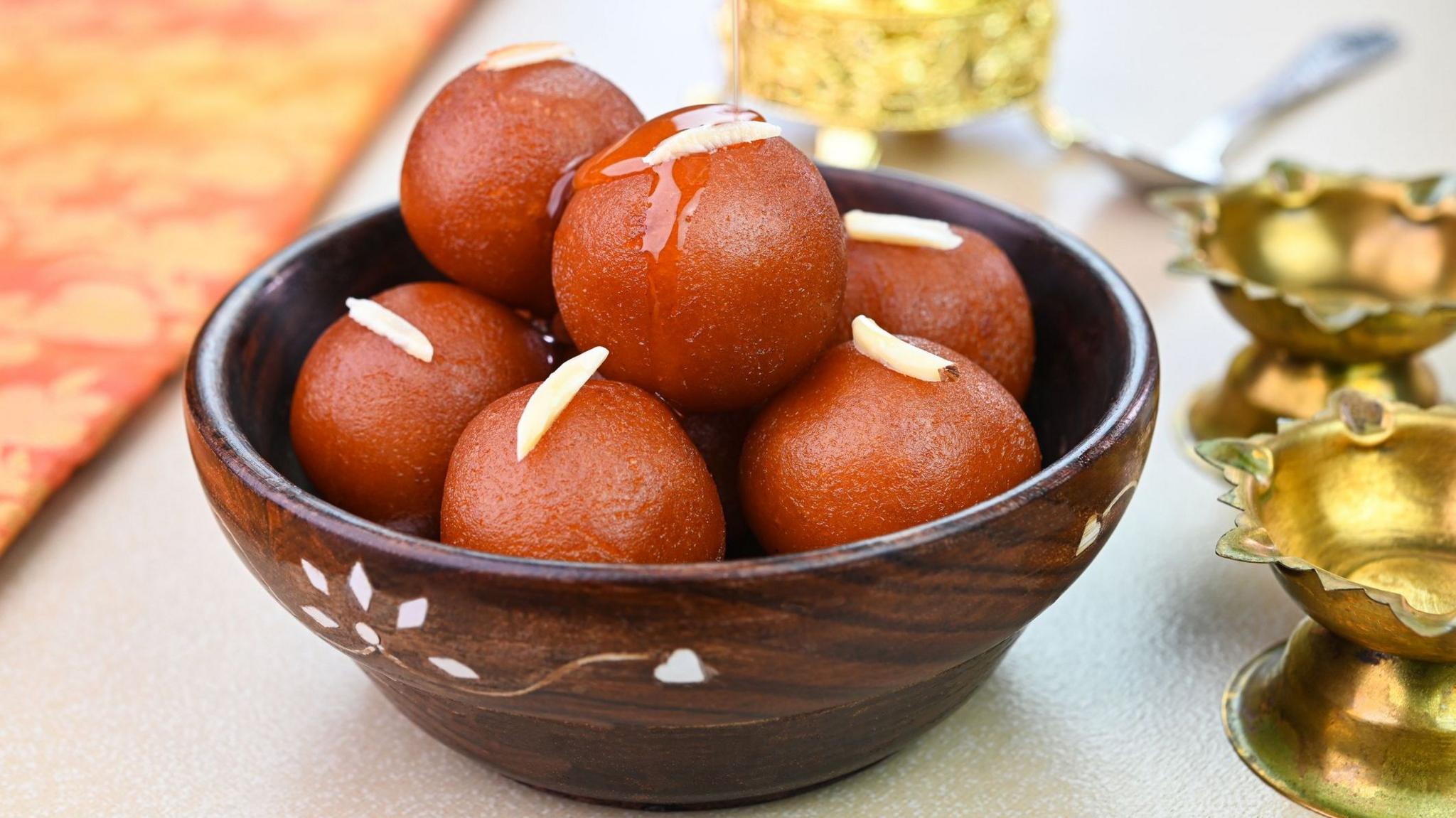
What does this mean for the nation? While the import lifts temporary supplies, it underscores the need for more accurate crop estimates and precautionary import mechanisms. A smoother supply chain will ensure sweets, whether a savory gulab jamun or a simple sugar bar, remain plentiful for India’s most cherished celebrations.
Sources
© 2026 BBC; All rights reserved.