In brief
When sea ice has disappeared from the East Greenland coast, the once‑blocked habitat is seeing an influx of humpback, fin and minke whales. A long‑term survey of recorded sightings, aerial footage, satellite tracking and Inuit testimony indicates a seasonal feeding frenzy has become a new routine. This shift, driven by warmer waters and food availability, may signal a redistribution or growth of these large marine mammals, while other Arctic species like narwhals and beluga face habitat loss.
Giant whales move into Greenland waters as ice disappears
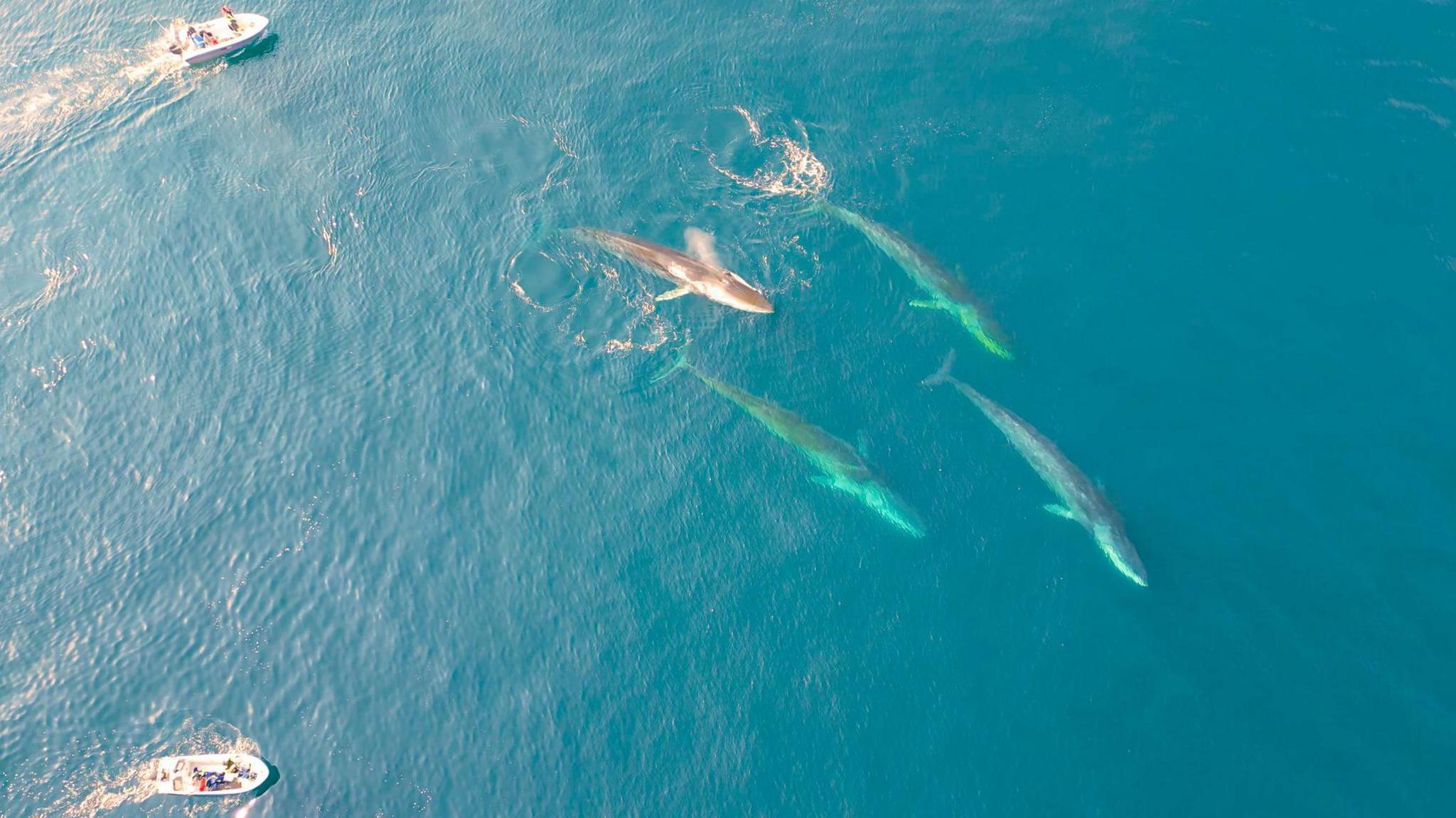
Sea ice has melted from East Greenland, opening a corridor for huge whales that were formerly locked out of the area. Over the past two decades scientists have recorded, filmed and counted hundreds of humpback, fin and minke whales feeding in these newly ice‑free summer seas.
Fin whales feed in ice‑free East Greenland waters, as scientists observe from their boats.
The first systematic aerial surveys were taken in 2015 and 2024, complemented by satellite tags on 15 whales and Inuit hunter reports. Together they outline a major ecological regime shift,” according to lead researcher Prof. Mads Peter Heide‑Jørgensen. In 2024, an estimated 4,000 humpback, 6,000 fin and 6,000 minke whales visited the Greenland Sea during the summer feeding season.
The change is pronounced: no humpback whale sightings were recorded from 2000 to 2006, but by 2024 there were 150 ship‑based sightings. The animals are primarily feeding on fish that have migrated into the warming waters, consuming at least 800,000 tonnes of fish and krill each summer.
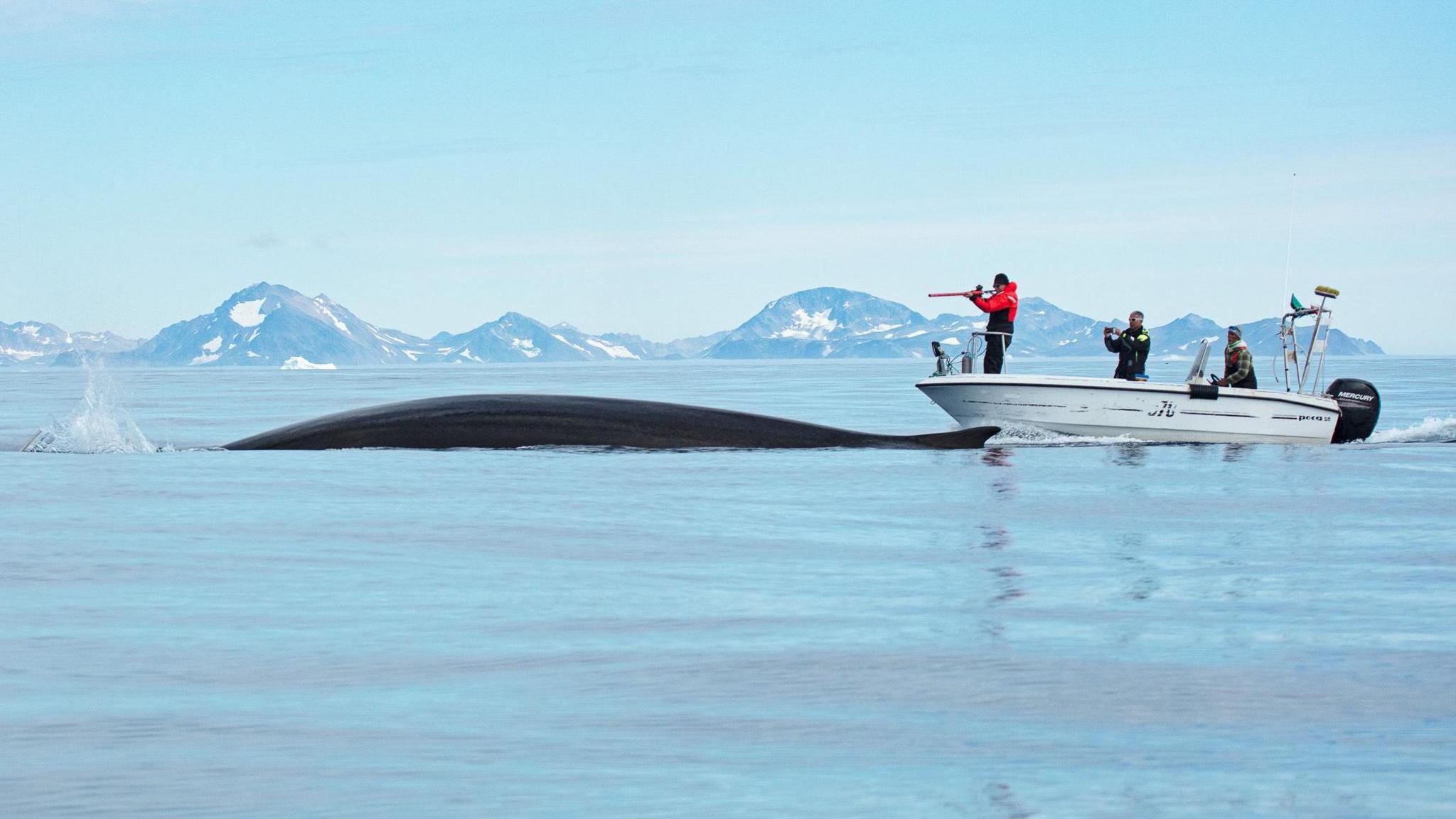
Researchers attached satellite tracking devices to some whales to follow their seasonal movements.
The study raises questions about whether the increased presence reflects a rise in whale populations or simply a redistribution from other regions. While some whales may benefit, other Arctic species such as narwhals and belugas are losing habitat and may be displaced by the newcomers.
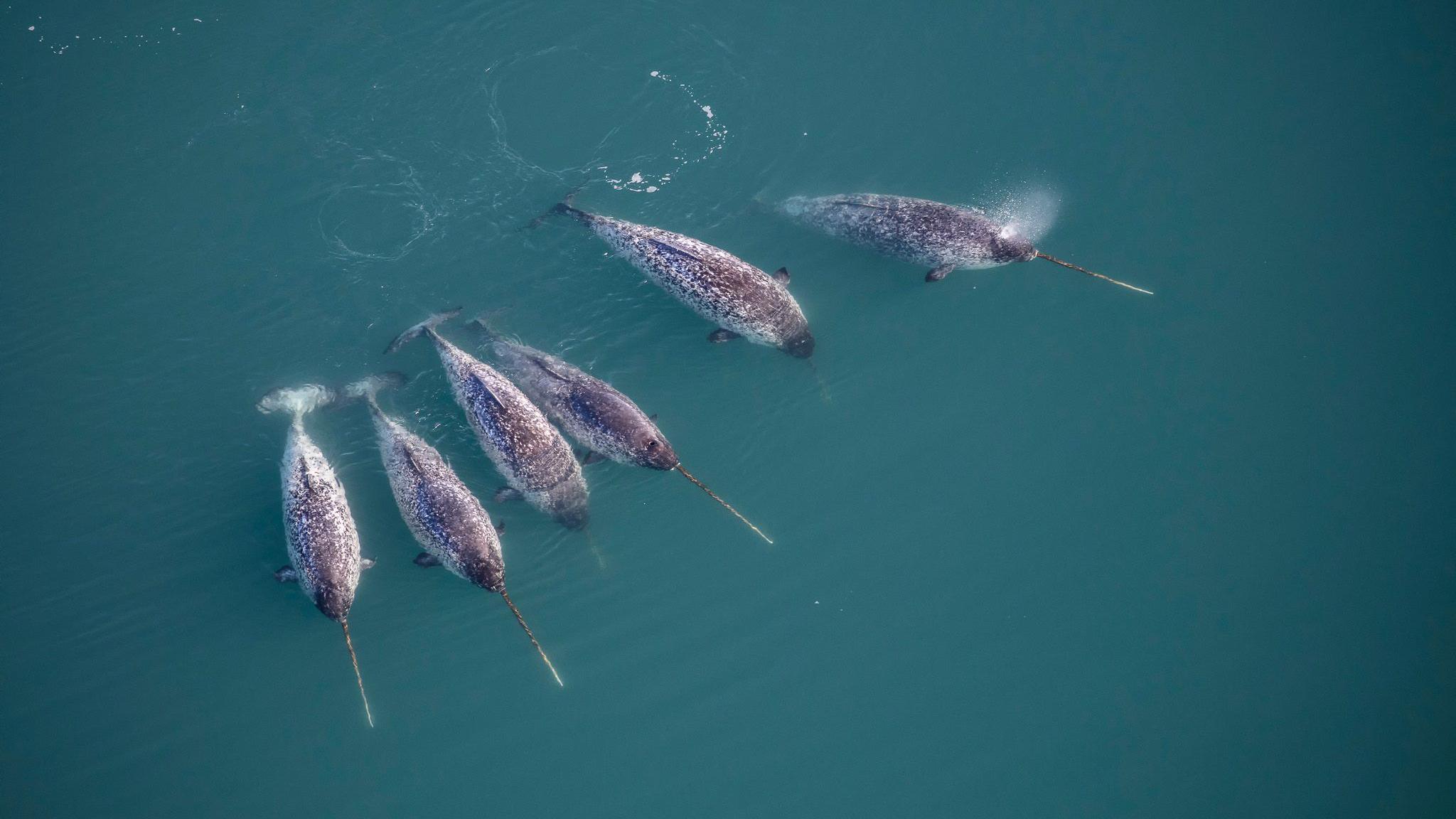
While some whales are benefiting from warming waters, Arctic species like narwhals are losing habitat.
The findings were published in the journal Frontiers in Marine Science.