In brief
On October 11, 2026 the Budhi Gandaki River in Nepal’s Gorkha district abruptly rose, tossing homes, suspension bridges and a partially‑built hydropower plant into the floodplain. Authorities rescued 95 people, including nine foreigners, yet five remain missing. The disaster, occurring as communities prepared for the Dashain festival, has left over 650 people affected and many families displaced. While climate change is suspected to heighten the risk of such Himalayan floods, the exact trigger—whether a landslide, ice avalance, or river blockage—remains unclear. International aid agencies, notably Save the Children, have mobilised emergency teams to support the ongoing recovery.
On October 11, a sudden surge on Nepal’s Budhi Gandaki River released a torrent that swept away more than 200 houses, several suspension bridges and damaged a hydropower construction site in the central Gorkha district.
The NDMRA reports that 95 people, including nine foreigners, have been rescued by the Nepalese army, but five persons are still missing. No casualties have yet been confirmed.
The morning’s carnage was shown on a video that captured floodwaters swamping an entire building complex within minutes. Abruptly, water levels in a single location rose from about two metres to nearly eight and a half metres within hours.
The Banks of the Budhi Gandaki were cut off: many settlements can now only be reached by helicopter, prompting the army to deploy four aerial units for search and rescue.
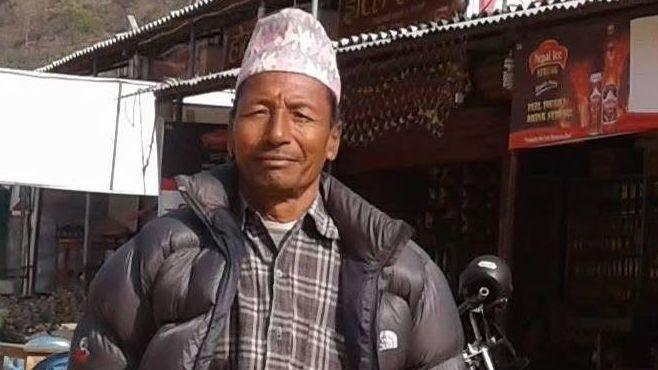
Families have been forced to seek shelter in forests or community buildings, with many unsure where they can safely stay overnight. “We never imagined a flood of this size,” shared Ganesh Karki of Jagatbagar, who and his neighbours took refuge 500 metres uphill after an early warning call.
Laid down under the waters were the remains of a hydroelectric project, which lost construction equipment in the rush. A government meteorologist noted that the hydrological station that monitored the river has been washed away and now provides no data.
Scientists warn that, while this crash was smaller than the catastrophic August floods caused by a glacier collapse, the debris‑flow was still slower but more destructive within the village canvas.
Save the Children’s emergency team has arrived, stressing how fragile communities, especially children in Gorkha, have suffered multiple shocks in the last few months, leaving them traumatised and bereft of homes and schools.
The Budhi Gandaki, a tributary of the Trishuli River, was known to experience rapid rise due to upstream landslides or ice avalanches, underscoring the region’s acute vulnerability to climate‑driven glacier melt.
With Nepal’s record of seismic and hydrologic danger, government agencies and international NGOs are rushing to restore basic services, provided the harsh terrain remains foundry for future disasters.