In brief
The World Health Organization has declared the Ebola outbreak in the Democratic Republic of Congo a public health emergency. The unique Bundibugyo strain presents a significant challenge as there is no vaccine available. Compounded by conflict in the region and socio-cultural beliefs impacting health practices, the response efforts are made more difficult. This article explores the outbreak's origins, symptoms, and measures taken to address the crisis.
An Ebola outbreak in the Democratic Republic of Congo has been declared a public health emergency of international concern by the World Health Organization (WHO).
Dealing with this outbreak is difficult as it involves a rare strain for which there is no vaccine and cases have been found in an area affected by conflict.
What is Ebola and what are the symptoms?
Ebola is a rare but deadly disease caused by a virus that predominantly infects animals, typically fruit bats. Human outbreaks can often initiate when individuals consume or handle infected animals.
Symptoms can appear within two to 21 days and typically begin abruptly, resembling flu symptoms with fever, headache, and fatigue. As the illness progresses, vomiting, diarrhea, and potential organ failure may occur, with some patients experiencing internal and external bleeding.
The virus is transmitted through contact with infected bodily fluids, such as blood or vomit.
Why is this Ebola outbreak different and is there a vaccine?
This outbreak is caused by the Bundibugyo species of Ebola, which had not emerged for over a decade. Previous outbreaks caused by this strain have been lethal in about one-third of cases.
Challenges arise as initial tests can miss this rarer variant, and there is no approved vaccine or drugs specifically targeting Bundibugyo. Some experimental vaccines are under development, but a vaccine available for a different strain may provide some level of protection.
The conflict in the region has also complicated efforts to manage the outbreak, with a significant number of displaced individuals and fluid cross-border movement into neighboring countries.
The WHO's emergency declaration does not imply a risk of a widespread pandemic outside of Africa, as the risk internationally remains low.
How did the outbreak start?
The first case identified was a nurse who exhibited symptoms on April 24, suggesting the virus circulated undetected for weeks. Alarmingly, this individual passed away in Bunia, further exacerbating the spread during funeral rituals where multiple individuals may have been exposed.
Education campaigns are underway to inform communities about safe funeral practices and hygiene to prevent further infections.
What measures are being taken to tackle the outbreak?
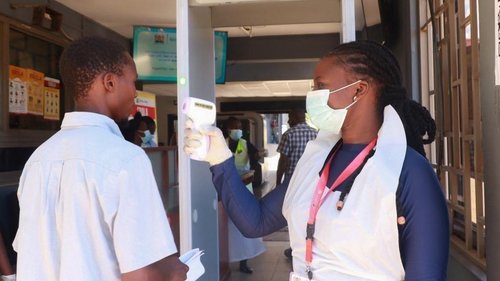
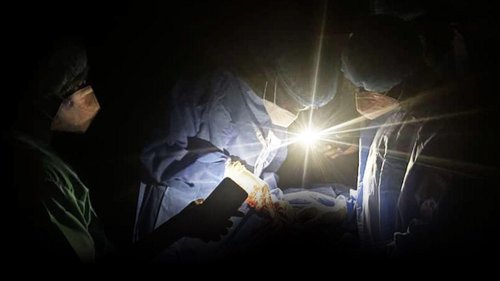
The Congolese government has deployed health teams with protective gear, while WHO and medical organizations like Médecins Sans Frontières are establishing treatment centers and response plans. A toll-free number has been made available to report symptoms, with community guidelines emphasized regarding the handling of deceased individuals and raw meat.
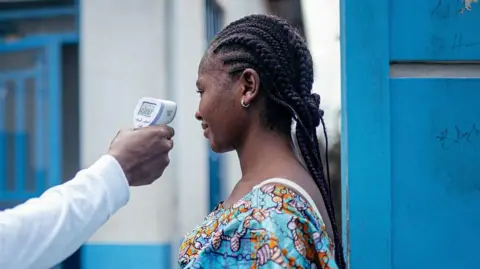
In light of the situation, neighboring countries are enhancing screening efforts for incoming populations, with international health authorities set to coordinate a collaborative response.