In brief
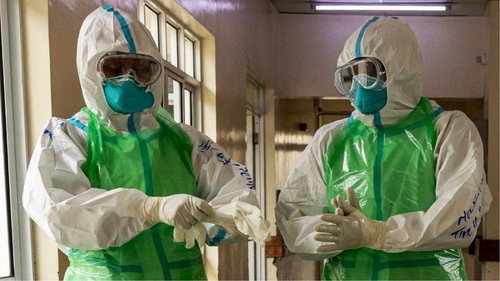
The Democratic Republic of Congo is grappling with an outbreak of the Bundibugyo species of Ebola, which has already killed nearly 250 people. Three vaccine candidates—developed by the International AIDS Vaccine Initiative (IAVI), Moderna and the University of Oxford—are in early stages. While IAVI is testing a modified version of the traditional Zaire vaccine in monkeys, Moderna is applying its mRNA technology and Oxford is leveraging its Covid‑19 platform. Funding from the Coalition for Epidemic Preparedness Innovations (CEPI) is accelerating trials, but the teams face a tight timeline amid fears that the outbreak could spread beyond current borders and mirror the disastrous 2014‑16 West African epidemic.
Background
The Bundibugyo species has only been seen twice before and there is no approved vaccine. It has already killed nearly 250 people and sparked concern that the outbreak could replicate the scale of the 2014‑16 West African epidemic, which infected 29,000 and killed 11,000. Thousands of suspected cases have been reported in the Democratic Republic of Congo with nine confirmed outbreaks in neighboring Uganda.
Vaccine Efforts
IAVI is working on a live, harmless virus modified to express the Bundibugyo glycoprotein. In monkeys, the experimental jab offered close to 100% protection. Moderna is applying its mRNA platform, used in Covid‑19 vaccines, to deliver the viral protein’s genetic code. Oxford is also adapting its Covid‑19 vaccine technology to create a new Ebola candidate. All three vaccines aim to train the immune system to recognize the Bundibugyo glycoprotein but use different approaches, which may affect protection levels and dosing schedules. The vaccine candidates are currently in preclinical stages; IAVI anticipates 7–9 months to reach clinical trials, while Oxford expects 2–3 months.
Funding and Urgency
CEPI is providing early-stage funding for each group, stressing that “every day counts” in the race against a rapidly spreading virus. WHO Director‑General Dr. Tedros Adhanom Ghebreyesus said a Bundibugyo vaccine would strengthen preparedness for future outbreaks.
Expert Opinions
Dr. Mark Feinberg, head of IAVI, warned the outbreak could be “as severe…as that, if not worse.” Médecins Sans Frontières called the situation “deeply alarming” and unprecedented in speed. CEPI CEO Dr. Richard Hatchett added that “with Bundibugyo virus spreading rapidly and no licensed vaccines, every day counts.”
Next Steps
All parties are preparing to launch clinical trials soon, with the goal of delivering vaccines to the most affected communities. The rapid development of mRNA technology and modular vaccine platforms offers hope, but rigorous testing will determine the efficacy and required number of doses before approval.