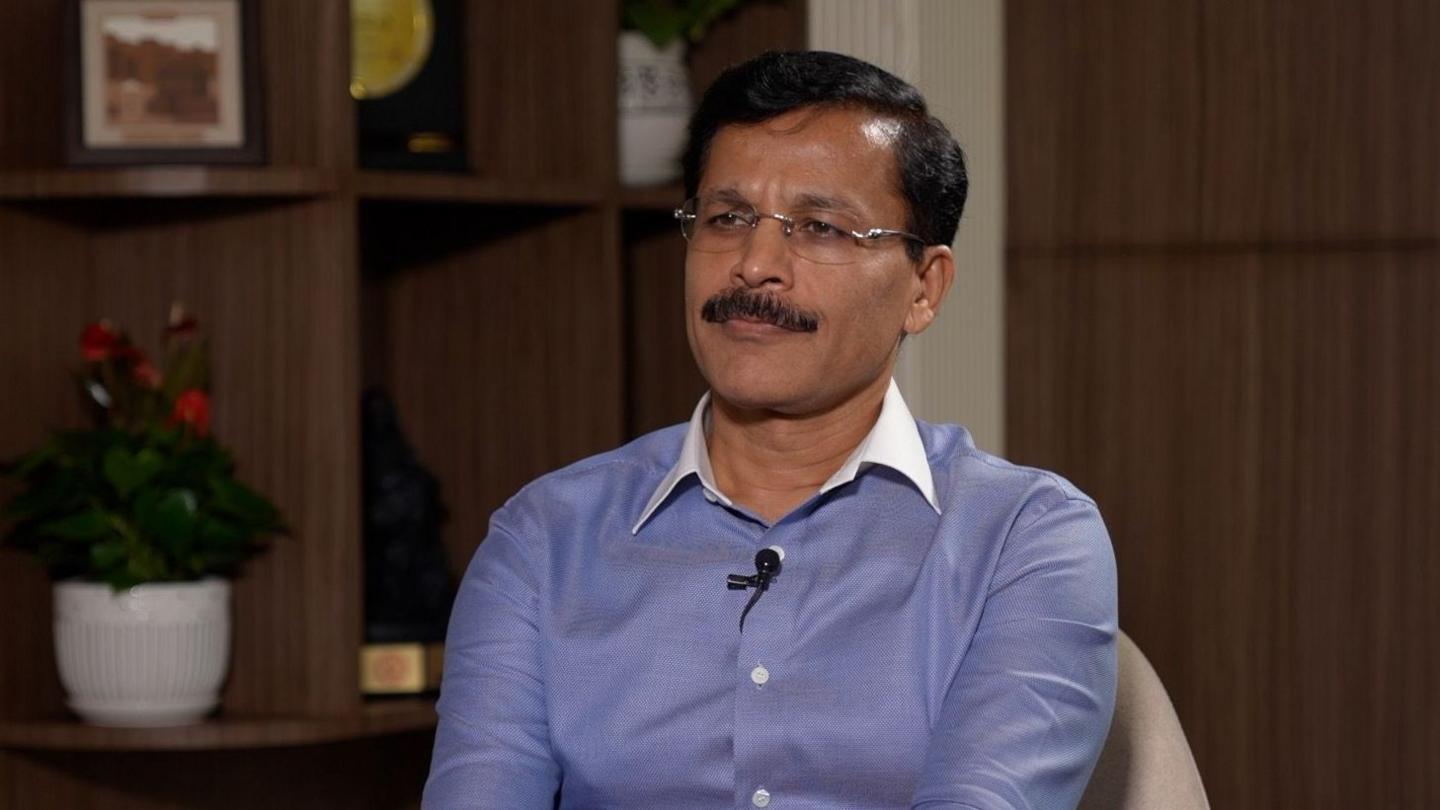
The International Criminal Court’s (ICC) chief prosecutor, Karim Khan, has been suspended with immediate effect while the court’s independent investigative body continues its inquiry into allegations of sexual misconduct.
The decision, taken by the ICC’s Management Oversight Bureau, has been referred to the court’s 125 member states. Those states will vote on Khan’s future during a special session that will be convened "as soon as possible". The oversight bureau emphasised that the suspension does not preclude any future outcome.
Khan has repeatedly denied all allegations and his lawyers describe the move as "unlawful, procedurally unfair and unsupported by evidence". Media reports cite documents naming unwanted sexual touching and abuse as accusations.
The investigation’s preliminary findings required a two‑thirds majority to uphold any finding of misconduct, followed by a separate vote on whether Khan should be removed from office. Khan, a prominent British lawyer, has been on voluntary leave to contest the allegations since May 2025.
The controversy remains bound to linger beyond the states’ final decision, as the case has already exposed a highly sensitive process that has attracted intense scrutiny. In May 2024, the Independent Oversight Mechanism opened an investigation after third‑party allegations, but the case was closed when the alleged victim declined to participate. Critics complained the investigation was mishandled, eroding confidence in the IOM. A second referral in October 2024 transferred the matter to the United Nations Office of Internal Oversight Services, which conducted a broader inquiry on sexual misconduct and abuse of authority. The inquiry ran from November 2024 to December 2025, producing more than 5,000 pages of evidence and testimony, which were reviewed by a panel of three judges advising the Bureau on Khan’s conduct.
The allegations have unfolded during a period of exceptional pressure on the ICC. Staff members within the Office of the Prosecutor warned that Khan’s return could damage confidence in the institution and raised concerns about potential retaliation. Supporters argue the investigation failed to substantiate claims. The controversy coincides with broader political tensions surrounding the court, including United States sanctions imposed on Khan after he sought arrest warrants for Israeli leaders linked to alleged crimes in Gaza. Later, sanctions expanded to include deputy prosecutors, judges, the UN Special Rapporteur on Palestinian territories, and Palestinian organisations that provided evidence to the ICC. Although the United States, Russia and Israel are not ICC members, the court can still exercise jurisdiction over crimes committed by their nationals on ICC member territory. If the ASP seeks Khan’s removal, he could challenge the decision before the International Labour Organisation’s Administrative Tribunal, which may lead to a lengthy legal battle and potential compensation if the disciplinary process proves flawed.