In brief
As the Ebola outbreak escalates in the Democratic Republic of Congo, health officials report that cases may be spreading faster than initially thought. The WHO indicates a higher than expected incidence of cases, with over 500 suspected and ongoing fears within local communities. Residents are taking precautions but lack sufficient protective gear as the health system grapples with the crisis.
People living around the epicenter of a deadly Ebola outbreak in the Democratic Republic of Congo have expressed their fears as the World Health Organization (WHO) warns that cases may be spreading more rapidly than originally believed.
Residents in Ituri province reported that infected individuals were succumbing to the virus quickly, with one local stating, Ebola has tortured us. The outbreak has claimed the lives of at least 136 people, with over 514 suspected cases being reported. A single death attributed to the outbreak has also been recorded in neighboring Uganda.
According to Dr. Anne Ancia of the WHO, investigations reveal that the outbreak is more widespread than initially detected. Recent modeling indicates that the actual number of cases could exceed 1,000, suggesting significant under-reporting of infections.
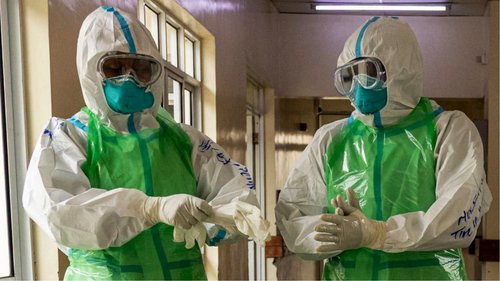
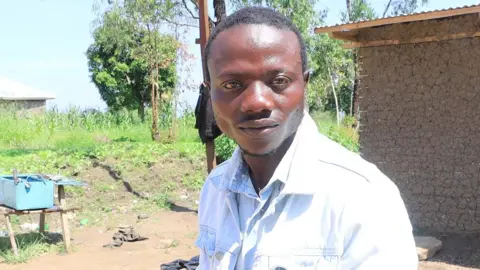
As the virus continues to spread, community members are attempting to take preventive measures such as washing hands with clean water. However, the lack of access to protective equipment like face masks adds to their anxiety. Local individuals like Alfred Giza highlighted the uncertainty and fear residents face if a family member contracts the disease.
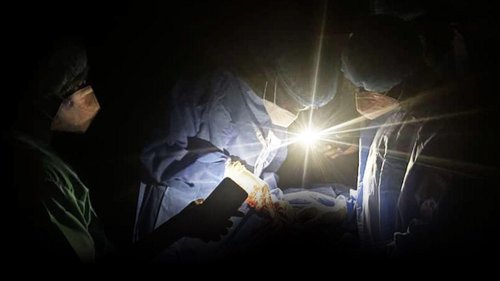
The Red Cross has warned that the outbreak could escalate rapidly if identification of cases remains insufficient and health infrastructures remain overwhelmed. Since declaring the outbreak an international emergency, WHO has allocated almost $4 million to combat it, but much more funding may be necessary as fighting continues in the region.
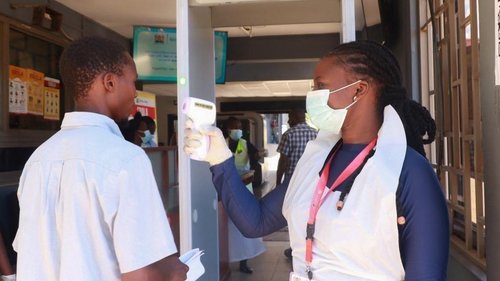
The outbreak's proximity to conflict zones, inadequate healthcare facilities, and poor living conditions complicate efforts to contain the virus. Meanwhile, regional neighbors are increasing border screenings and advising their populations on precautions.
The current strain of Ebola, the Bundibugyo strain, is rare but has been responsible for previous outbreaks. There is still no established vaccine for this variant, but the WHO is exploring potential treatments. Health officials urge individuals exhibiting symptoms to report them quickly to local healthcare facilities.