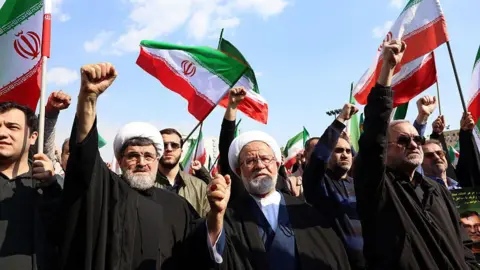
Amid rising energy costs and escalating conflict abroad, the Republican Party faces potential electoral challenges as the midterm elections approach. President Trump, who once promised to alleviate costs and broker peace, now finds himself as a wartime president as tensions escalate in Iran.
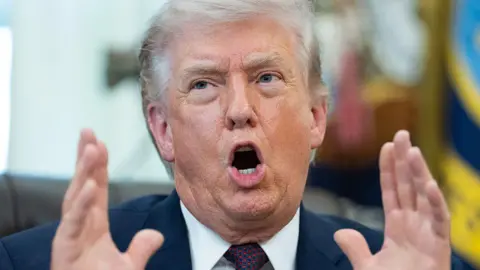
Trump's recent prime-time address, his first since the U.S. and Israel's military actions against Iran, both hinted at an end to the conflict while simultaneously indicating further military actions. He stated, Thanks to the progress we’ve made, I can say tonight that we are on track to complete all of America’s military objectives shortly, very shortly.”
However, GOP strategists express concern as polls illustrate a shifting political landscape, with many voters dissatisfied with the escalating conflict. Veteran Republican pollster Neil Newhouse warned, “You’re looking at an ugly November,” stating that many Republicans now view the House as a likely loss.
The Republican Party's messaging strategies have further diverged, particularly regarding the Iran conflict, leaving many candidates hesitant to comment on Trump’s military decisions. Furthermore, with costs skyrocketing, including average gasoline prices nearly $4.08 per gallon, Trump’s administration faces pressure to articulate a clear plan for relief.
Despite calls for a more assertive foreign policy stance, several prominent Republican voices have voiced opposition. Former Representative Marjorie Taylor Greene criticized Trump’s approach, labeling his focus on war as a diversion from domestic issues.
Public sentiment appears to mirror this dissatisfaction, with a significant majority of Americans expressing that military actions in Iran have “gone too far.” Moreover, the majority of adults opposed the idea of deploying U.S. troops into Iran, reflecting the skepticism even among party members.
The midterm elections loom, and with a weak approval rating hovering around 40% for Trump, many Republicans are left grappling with a complex political landscape that could reshape the power structure in Congress.