In brief
U.S. gas prices have recently surged past $4 per gallon, leading to frustrations among drivers who are struggling with inflated fuel costs. These price fluctuations are largely attributed to the ongoing Iran war and its impact on global oil prices. Retailers, including small station operators, are feeling the pinch as margins shrink amid rising wholesale costs. Detailed analysis reveals that taxes, competition, and market volatility contribute significantly to the differences in gas prices across regions.
DES MOINES, Iowa (AP) — Drivers across the U.S. are grappling with volatile gas prices that are causing significant financial strain. As prices soar to levels not seen since 2022, consumers find themselves stuck in a cycle of frustration, feeling the squeeze at the pump.
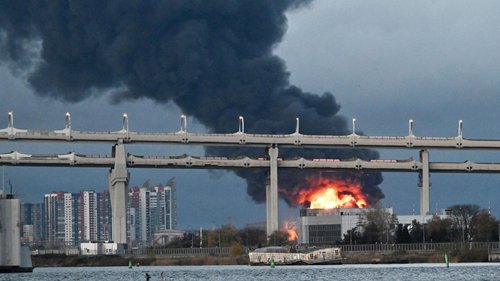
Recent geopolitical tensions, particularly stemming from the ongoing Iran conflict, have pushed global oil prices higher. As a result, the U.S. average price for a gallon of gas recently climbed past $4, as reported by AAA.
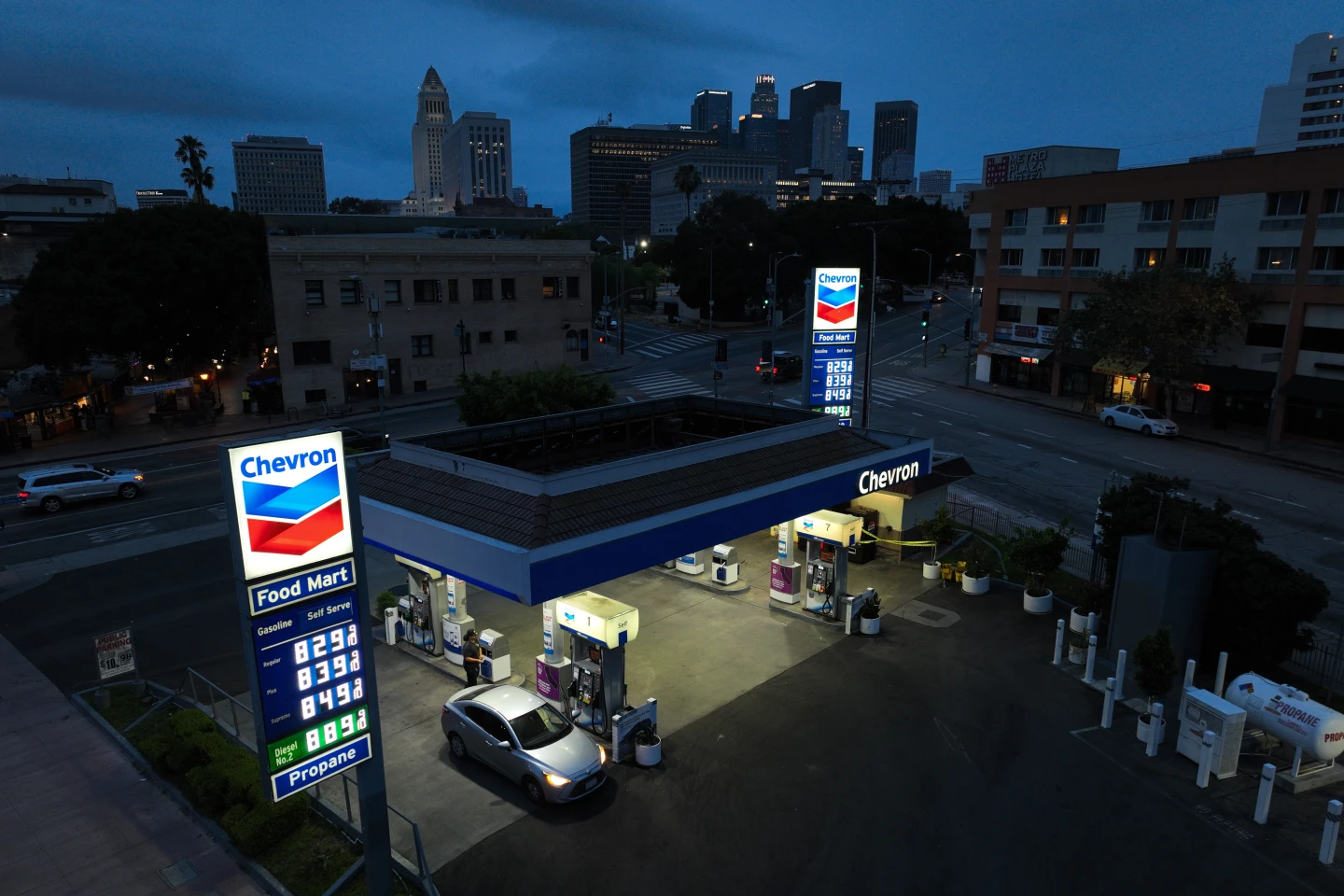
Gas prices can fluctuate significantly, often changing from day to day, compelling drivers to constantly assess the best times and places to refuel.
Experts suggest that these price shifts are not simply a narrative crafted by retail station owners; instead, they reflect broader market volatility that affects how gas stations price their fuel. The tightening margins highlight the difficulties that retailers face in remaining profitable.
Lonnie McQuirter, director of operations at a Minneapolis gas station, noted that his costs have increased, necessitating adjustments in pricing. We base our prices on what we can pay for fuel and our operational costs, McQuirter shared, noting the emotional toll it takes when customers are struggling to afford fuel.
What factors into gas prices?
The factors contributing to gas prices extend beyond retail control. Nearly half of the price at the pump is accounted for by the cost of crude oil, followed by refining costs and various taxes. The current uptick in crude prices is largely a reaction to instability and shipping disruptions related to global conflicts.
As gas stations adjust pricing to reflect these rising costs, consumers are left navigating a puzzling landscape of fluctuating fuel prices.
Why might prices differ from one gas station to the next?
Even as the national average crosses the $4 mark, prices can vary drastically depending on local taxes, proximity to refineries, and even marketing strategies employed by competing gas stations. Such dynamics lead to variable pricing, leaving consumers to search for the best deals.
Who benefits from rising prices?
While gas stations sell massive amounts of fuel daily, many retailers report that they do not see significant financial gains from rising prices. Instead, profit margins often decrease as they struggle to keep up with sudden price hikes. As oil prices fluctuate, many retailers are cautious about their costs and the impacts on consumer demand.