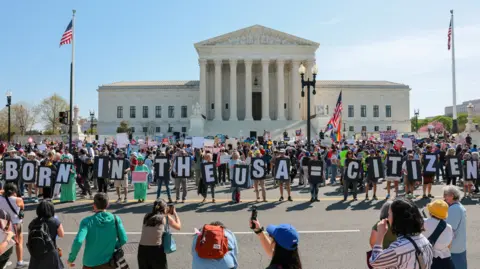
The U.S. Supreme Court recently engaged in oral arguments regarding President Donald Trump's executive order to limit birthright citizenship—a challenge that has stirred considerable debate and implications for immigration law in the United States. During the session, a significant number of justices expressed skepticism towards the administration's position that citizenship should no longer be granted to children born in the U.S. under certain circumstances, particularly focusing on children of undocumented immigrants and temporary visitors.
As Solicitor General John Sauer defended the executive order, he argued that restricting birthright citizenship is necessary to control illegal immigration. However, several justices highlighted concerns that such a move would fundamentally reshape established legal traditions and precedents dating back over a century. Chief Justice John Roberts emphasized doubts about the president's authority to exclude entire groups from citizenship, suggesting that the administration's reasoning could not easily apply to the broader population.
Throughout the proceedings, intriguing historical context emerged, most notably the 1898 Supreme Court decision in United States v. Wong Kim Ark, which upheld the rights of a child born in the U.S. to Chinese immigrants. Justice Elena Kagan noted that the current administration's proposed changes would contradict a long history of granting birthright citizenship, accepted since the adoption of the 14th Amendment.
The Court's ruling, expected in June, may not only affect immigration policies but also establish legal precedents concerning executive authority. A defeat for the Trump administration could signify a setback in its broader immigration agenda, while a victory might help to invigorate ongoing efforts to tighten immigration laws and redefine citizenship in an increasingly complex political landscape.
As Solicitor General John Sauer defended the executive order, he argued that restricting birthright citizenship is necessary to control illegal immigration. However, several justices highlighted concerns that such a move would fundamentally reshape established legal traditions and precedents dating back over a century. Chief Justice John Roberts emphasized doubts about the president's authority to exclude entire groups from citizenship, suggesting that the administration's reasoning could not easily apply to the broader population.
Throughout the proceedings, intriguing historical context emerged, most notably the 1898 Supreme Court decision in United States v. Wong Kim Ark, which upheld the rights of a child born in the U.S. to Chinese immigrants. Justice Elena Kagan noted that the current administration's proposed changes would contradict a long history of granting birthright citizenship, accepted since the adoption of the 14th Amendment.
The Court's ruling, expected in June, may not only affect immigration policies but also establish legal precedents concerning executive authority. A defeat for the Trump administration could signify a setback in its broader immigration agenda, while a victory might help to invigorate ongoing efforts to tighten immigration laws and redefine citizenship in an increasingly complex political landscape.