The White House Correspondents’ Dinner has had multiple iterations since its inception in the early 20th century. Celebrated as a key event in Washington, it features a red carpet for journalists, politicians, and celebrities alike, paired with comedic performances often aimed at the present-day administration.
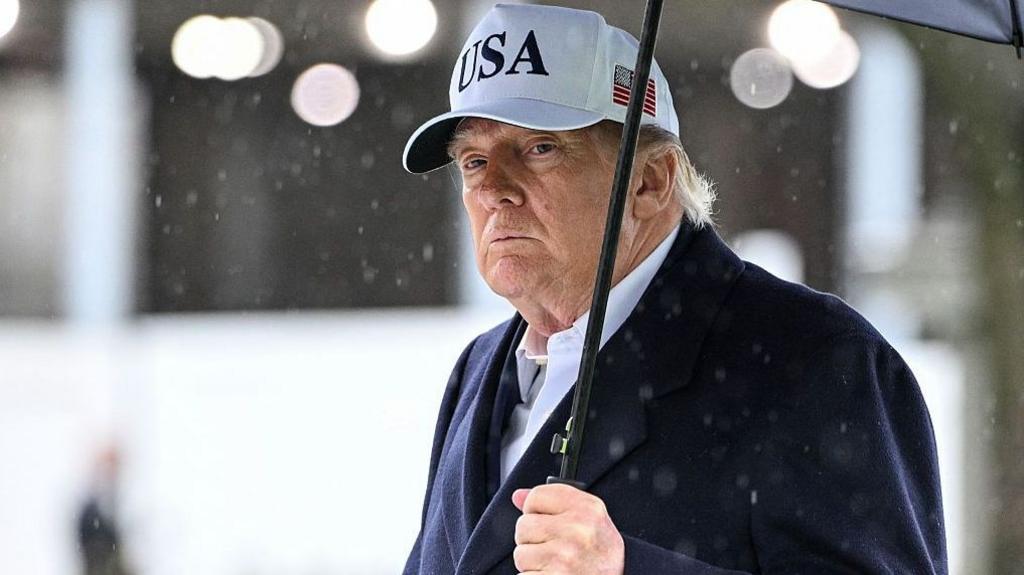
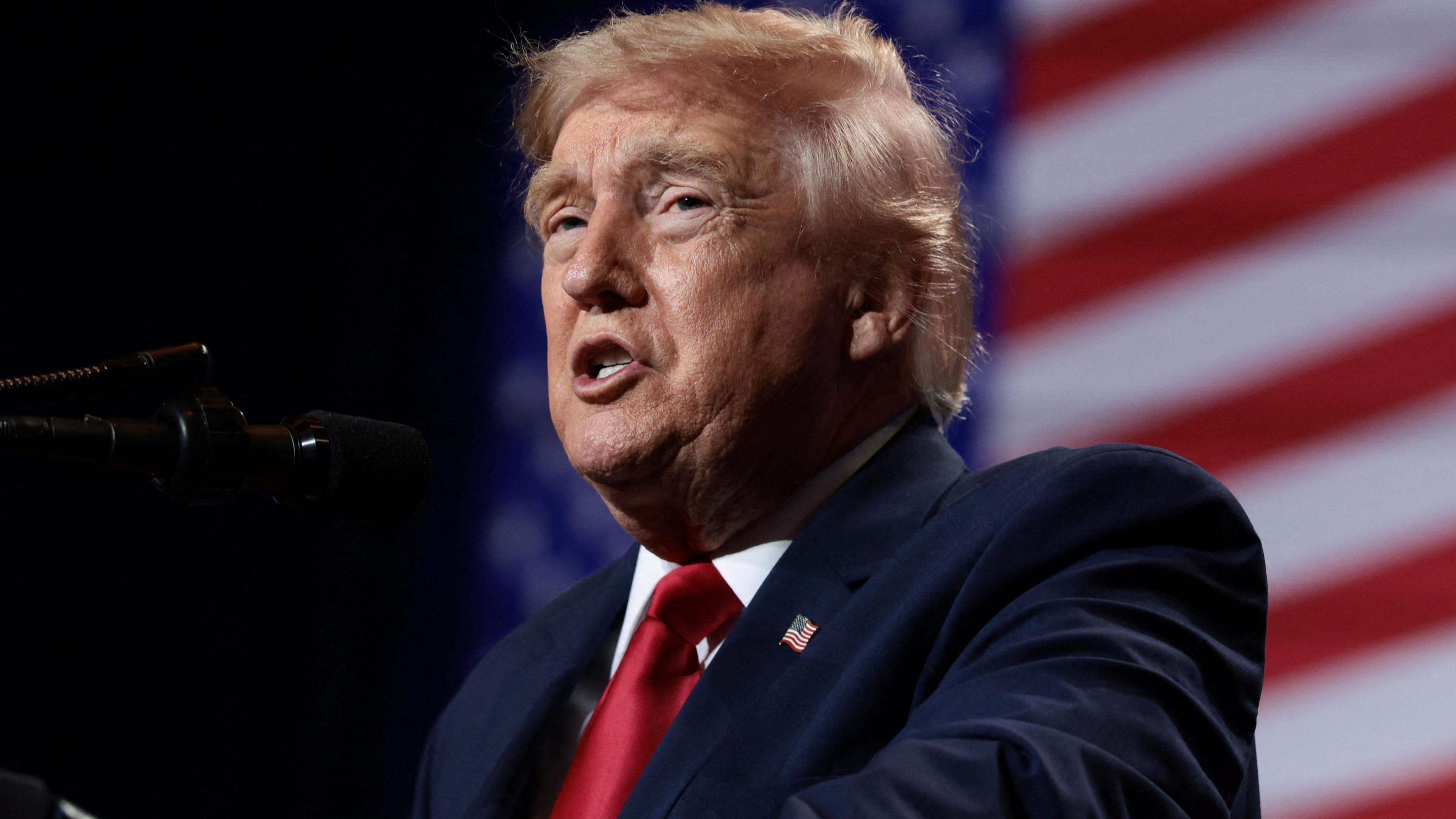
While some dinners fade into history, others spark viral moments on social media, filled with laughter, awkwardness, or tension. This year's event is particularly notable, as it will mark Donald Trump's first attendance as president.
Comedy Meets Tragedy: Reagan's Restraint
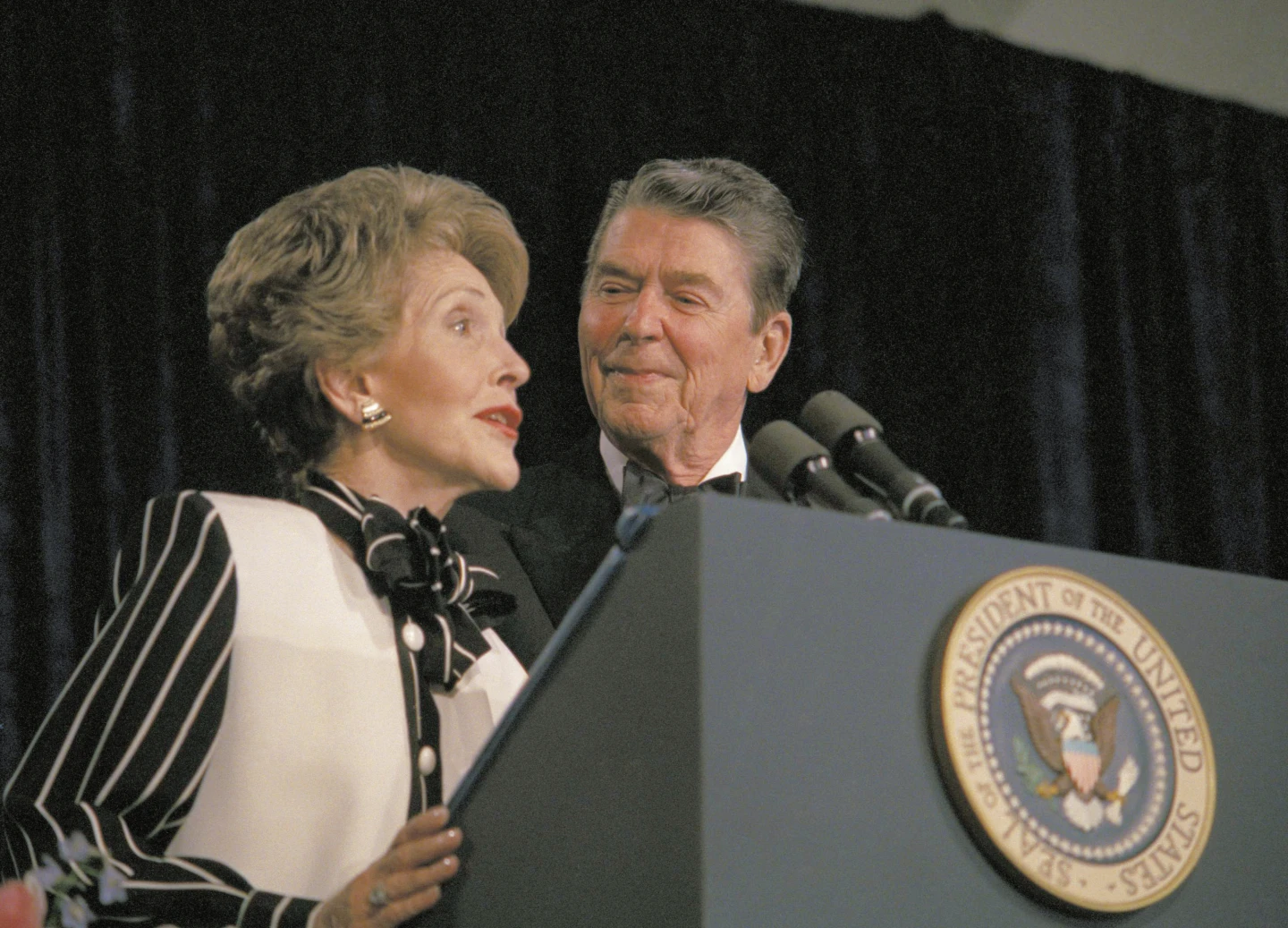
In 1983, President Ronald Reagan, known for his Hollywood charm and comedic timing, refrained from comedic retorts following a comedian’s performances that poked fun at his expense. Instead, he delivered a sober reminder of the day’s tragedy—the bombing of the U.S. Embassy in Lebanon—setting a more somber tone for that year’s dinner.
Memorable Friendships and Jabs
Other adventures at this dinner included comedian Dana Carvey’s affectionate impersonation of George H.W. Bush, showcasing the blending of comedy with political camaraderie. Over the years, this platform has become a space not just for light-hearted jests but also for pointed observations about the state of the nation.
Trump and Colbert: The Outsider vs. The Establishment
Fast forward to 2006 when Stephen Colbert delivered an unforgettable roast targeting both Bush and the media, critiquing the complacency of the press while Bush continued his term. This marked a rare moment of tension in an event typically characterized by light-hearted banter.
The Absentee Trumps Comedy
During his presidency, Trump broke the tradition of attending the dinner, leading to a scene where comedian Michelle Wolf delivered a scathing monologue aimed at his press secretary, Sarah Huckabee Sanders, illustrating the changing dynamics of politics and humor.
As the Correspondents’ Dinner continues to evolve, it remains a poignant reminder of the relationships and tensions within American politics, reflecting both our leaders' humanity and the comedic lens through which they are often viewed.