Trump & Netanyahu Overestimated; Iran’s Resistance Sparks Permacrisis
When former President Donald Trump and Israeli Prime Minister Benjamin Netanyahu announced the end of the Iranian regime in early February, the world expected a swift victory. Their speech, brimming with confidence, suggested that the U.S. and Israel’s forces would peel the long‑standing Islamic Republic apart overnight.
Reality proved markedly different. Iran’s leadership, steeped in decades of security and ideological fortification, responded with relentless resilience. The regime’s networks, intelligence apparatus, and strategic reserves allowed it to weather attacks and maintain control, turning the initiative into a protracted conflict that now strains all regional players.
A key flashpoint is the Strait of Hormuz, a narrow chokepoint through which a third of global oil transits. Since French Iranian-backed missile activity shut the passage, shipping has stalled, sending ripples across world markets. The regime’s ability to threaten re‑blockage makes it a powerful bargaining chip, complicating U.S. and Israeli strategies.
Meanwhile, the U.S. has acknowledged the difficulty of a decisive victory. Attempts to negotiate a lasting deal—centered on nuclear disarmament and economic sanctions—have stalled, and the nation’s diplomatic leverage appears fragmentary.
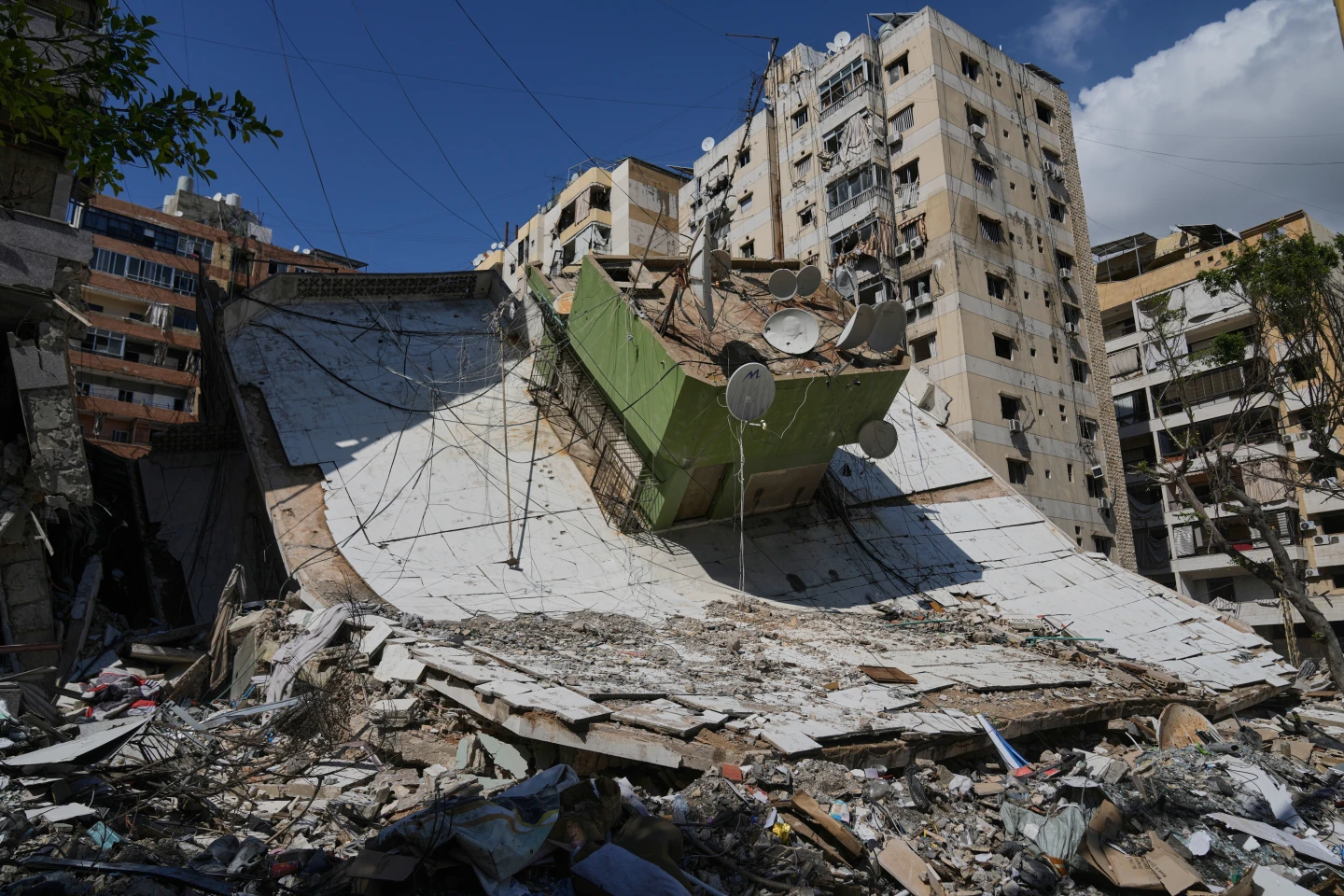
Israel’s approach, predicated on conventional military might, faces obstacles as well. The thwarted missile strike against the U.S. helicopter and continued fire in Lebanon emphasize Iran’s reach and its determination to retaliate. Netanyahu’s decision to cancel a planned strike on Beirut was a tactical concession, yet Israeli forces persist in targeting southern Lebanese elements.
The combined effect of these dynamics is a ‘permacrisis’—a persistent, high‑level conflict that risks spreading beyond the immediate theatre. Allies in the Gulf, whose economic fortunes hinge on stable maritime traffic, now weigh the price of continued hostilities against the prospects of a negotiated settlement.
If the U.S. and Israel fail to recalibrate their tactics, the stakes could multiply. The broader world may see a scenario where conventional war co‑exists with economic warfare, eroding regional stability and escalating global tensions.
The ramifications of today’s missteps underline the perception that war’s conclusion is rarely clean, and the consequences of attempting regime change can persist long after initial failure.