In brief
Residents of Makoko, a waterfront settlement in Lagos, are battling against the demolition of their homes, which the government claims is necessary due to safety concerns. Critics argue that the actions are part of a larger agenda to clear the area for upscale development. Reports indicate a significant number of people displaced and harsh living conditions for those left behind.
In a devastating turn of events, the Lagos waterfront community of Makoko is seeing the destruction of its homes, leaving many families like Anna Sobie's homeless. Critics describe the government's actions as a land-grab, amidst allegations that these demolitions are aimed at paving the way for upscale developments.
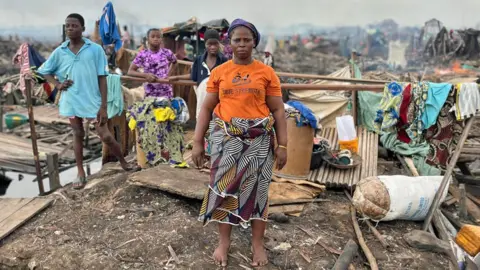
The Lagos State government states it is acting for the safety of residents, citing health risks posed by the community's expansion towards high voltage power lines. However, the reality on the ground tells a different story, with Sobie and her five children now living on a broken platform in the wake of their home’s demolition.
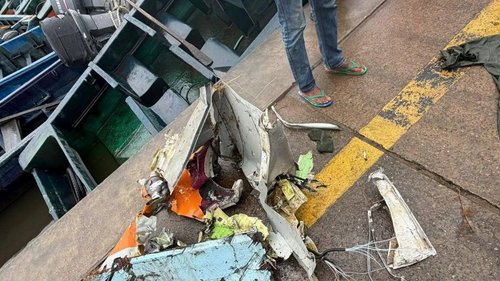
The demolitions commenced just before Christmas last year, when excavation teams and armed police swept into the settlement, leading to the destruction of not just homes, but schools, clinics, and churches. Activists claim more than 10,000 residents have been displaced, with many communities fragmented and struggling to cope with the aftermath.
As excavators continue their work along the lagoon, pressing concerns about the brutal nature of these demolitions are highlighting a stark reality in Lagos. Residents claim that homes were set on fire with little notice, some even while families were still inside. This has led many to protest against the demolitions, demanding assistance and acknowledging the dangers inherent in such rapid urban development.
Despite assurances from the state that compensation would be provided to affected families, many remain skeptical as they see their lives upended in a process described by advocates as state-enabled violence against the urban poor. Amidst all this, the voice of the people echoes - they seek safety, stability, and the right to reside in their land.
The situation invites a critical look at the ongoing urban developments in Lagos, where unchecked expansion continues to marginalize those who have called it home for generations, all while raising significant questions about the future of such communities.