In brief
One year after the horrific wildfires that ravaged Los Angeles, only a few homes have been rebuilt, illustrating the struggles of homeowners faced with insufficient insurance compensation and lengthy recovery processes. While some individuals, like Ted Koerner, have managed to rebuild quickly, many others remain unable to initiate construction, grappling with financial constraints and complicated insurance negotiations. Experts express concern about potential inequalities in recovery efforts as the community seeks to restore their homes and lives.
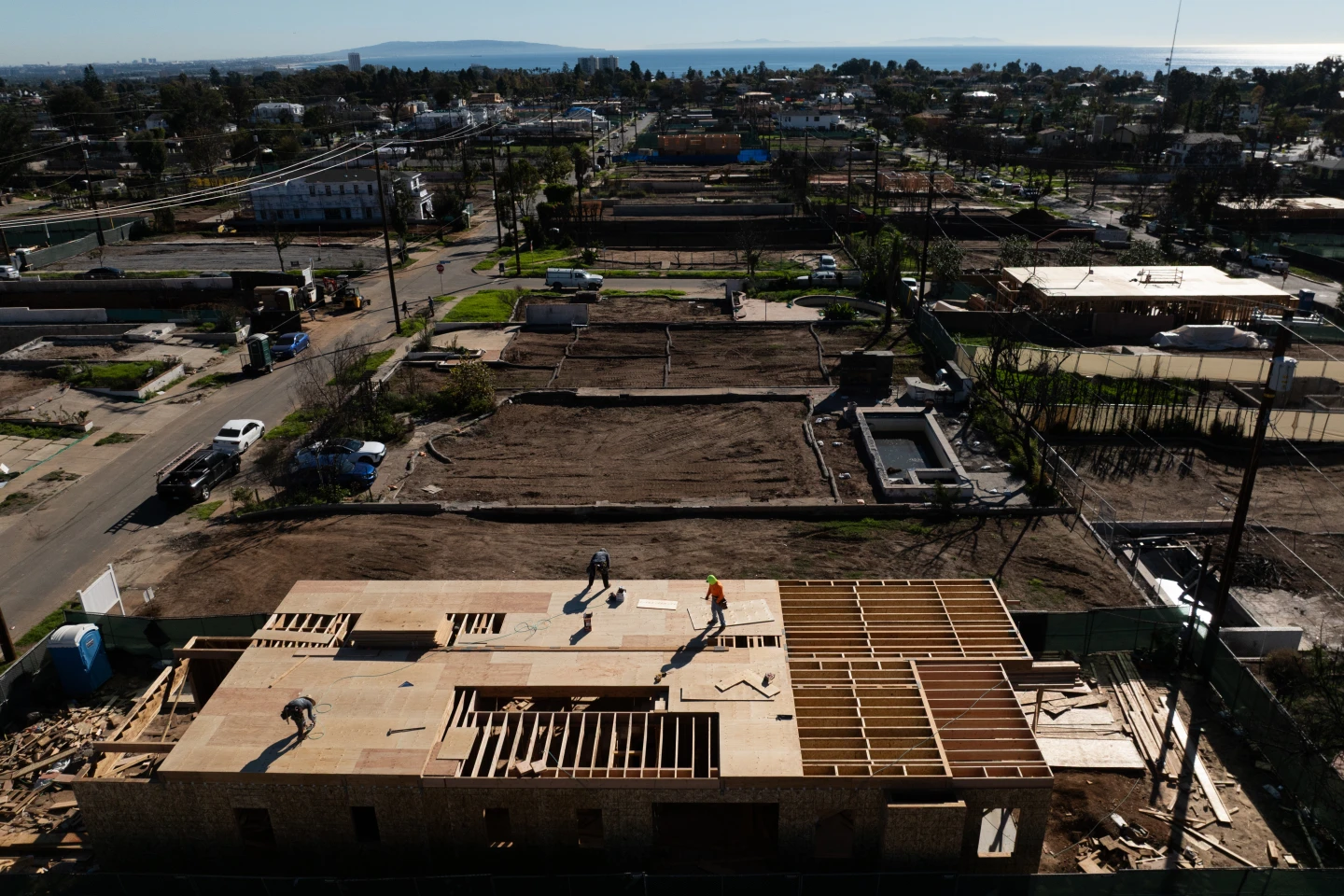
LOS ANGELES — It's been a year since the Palisades and Eaton fires unleashed destruction across the Los Angeles area, yet the landscape remains largely unchanged with few signs of recovery. Since the wildfires that claimed 31 lives and destroyed around 13,000 homes on January 7, 2025, fewer than a dozen homes have been rebuilt in Los Angeles County. Despite insurance being available for some survivors, it often falls short of covering the full extent of rebuilding costs, leaving many residents in dire situations. Relief organizations are trying to help, but the pace of recovery has been excruciatingly slow.Ted Koerner, a 67-year-old resident whose home was completely destroyed, managed to rebuild his house before Thanksgiving, driven by the urgency to secure a space for his aging golden retriever, Daisy Mae. His proactive approach, however, contrasts starkly with the many homeowners who are left navigating the complexities of financial recovery. In the coastal communities of Pacific Palisades and Altadena, dirt lots replace homes, and families are struggling to regain a sense of normalcy as many properties still await cleanup or remediation from toxic damages caused by the fires.The small number of homes under reconstruction stands against a backdrop of uncertainty; as of today, about 900 homes are reportedly being worked on, yet many survivors are uncertain about financing their rebuilds, with frustrations mounting towards the insurance companies. Between high costs, low payouts, and complicated application processes, those affected by the fires are stuck in a labyrinth of bureaucratic challenges. Los Angeles County has even launched a civil investigation into State Farm’s practices amid rising complaints from the victims.The emotional toll is palpable, with some, like Jessica Rogers, forced to confront the harsh realities of their insurance policies only after losing everything. Her current predicament highlights the heightened anxiety many face as they contemplate drastic financial decisions to re-establish stability. Community members have expressed their fears about long-term disparities driving wedges into the recovery process, particularly affecting vulnerable populations.As recovery continues to take shape, the journey remains fraught with challenges, illustrating a systemic need for reform in insurance practices and more robust support mechanisms to aid those affected. For the Baileys, for example, living in an RV on the lot where their home once stood affirms their commitment to rebuild, symbolizing resilience in the face of adversity.