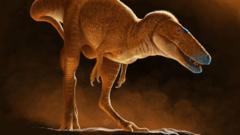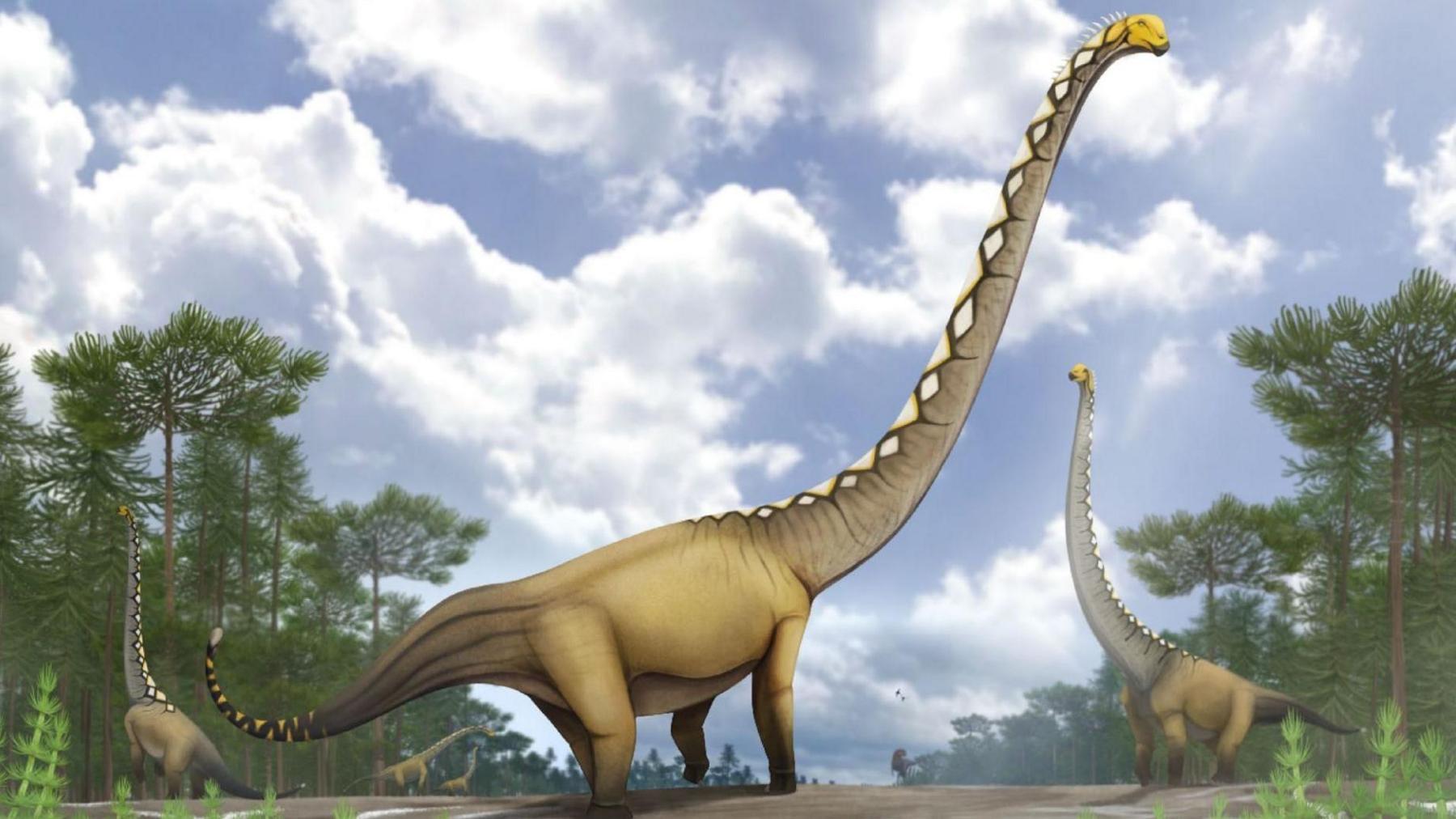
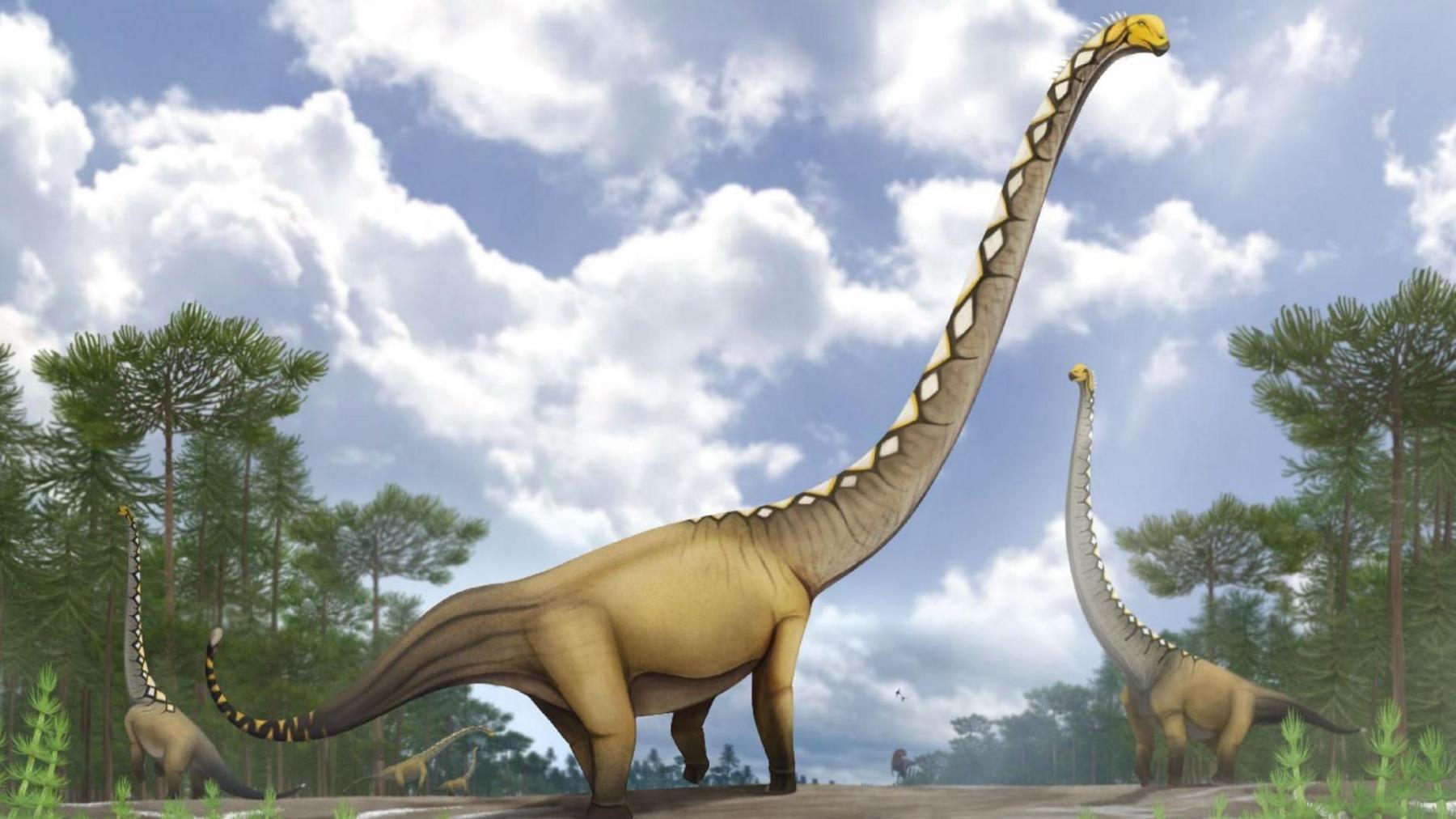
Palaeontologists in Thailand announce the discovery of a new dinosaur species, Uragasaurus kalasinensis, from fossils unearthed in Kalasin Province. The plant‑eating sauropod is estimated to have lived 150 million years ago, during the Late Jurassic period.
Uragasaurus measured about 20 m (66 ft) – roughly the length of a cricket pitch, and featured an unusually long neck. A CT scan revealed its placement within the Mamenchisauridae family, known for extremely elongated necks that helped reach foliage at varying heights.
The discovery site, Phu Noi, first identified in 2008, yielded over 90% dinosaur fragments, including teeth and bone pieces. The defining specimen was a dorsal vertebra whose Y‑shaped laminae and distinct air‑cavity structure were unlike any other dinosaur found worldwide.
Dr Apirat Nilphanaphan, lead author from Mahasarakham University, exclaimed that the unique features “set it apart.” The study, published in Nature, marks a significant addition to Thailand’s fossil record and rivals the earlier discovery of the massive Nagatitan.
From a bold metal beetle‑like footprint to a towering 20‑metre dinosaur, the region continues to reveal secrets of Earth’s distant past, offering endless adventures for those who visit the archaeological landscapes of Kalasin Province.