Swiss glaciers melt at record speed, threatening water security

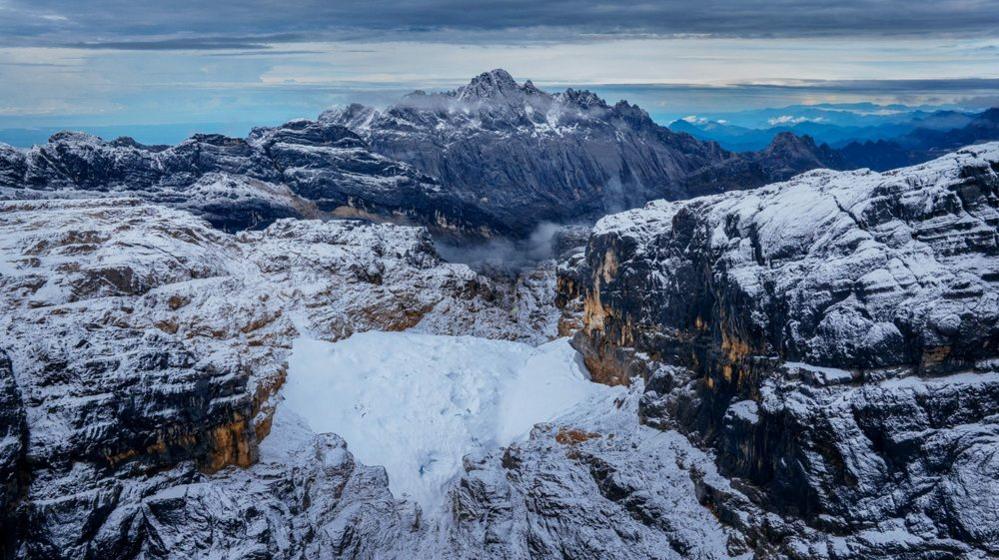
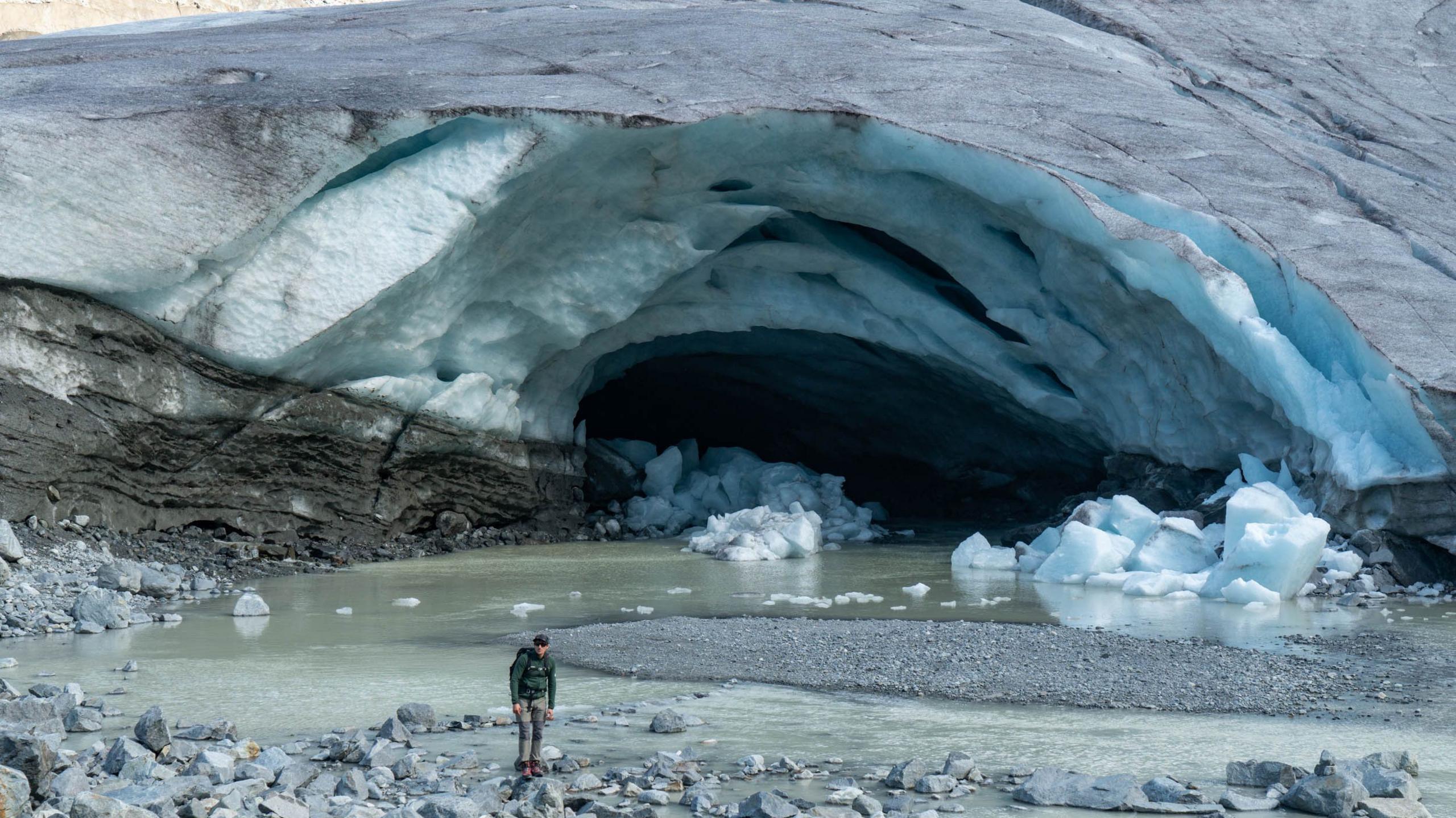
Swiss glaciers have lost more than 5% of their remaining ice in 2026, a figure that scientists describe as extraordinary and part of a broader trend of rapid Alpine melting.
The loss is a direct result of record‑setting heatwaves in May and June that stripped the glaciers of snow, exposing darker ice that absorbs more Sun energy.
Scientists warn that the phenomenon is not just a short‑term anomaly; it signals a future in which water supplies for agriculture, hydropower and transport may become increasingly unreliable. Early summer melt released roughly 2.2 trillion litres of water from July to September, easing shortages but depleting the glaciers’ long‑term reserve.
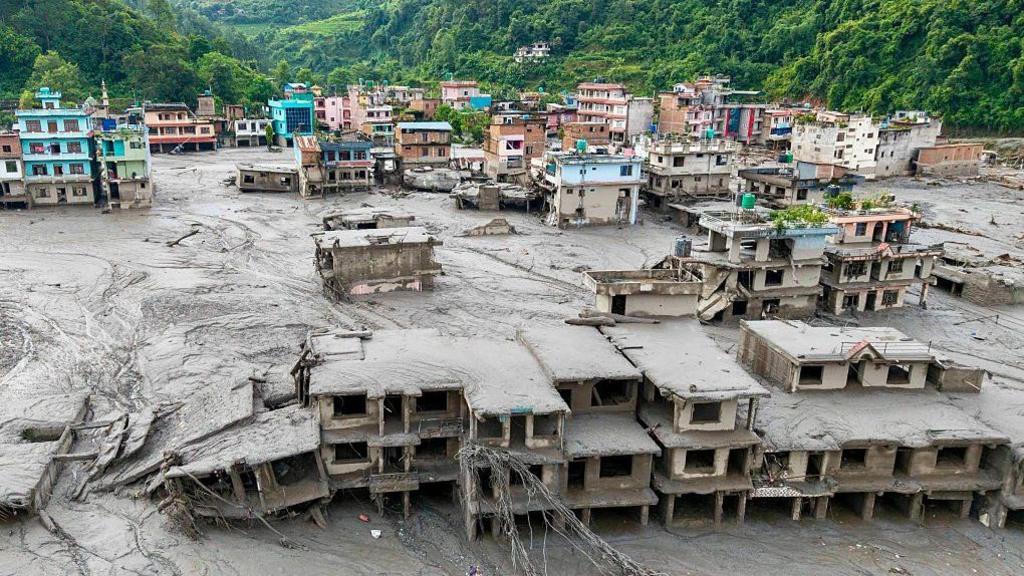
The danger is twin: rapid melt can trigger landslides and flash floods, while the loss of snow at elevations above 3,500 m has left higher peaks virtually barren. With no snow to replenish the ice, glaciers are effectively “starving,” experts say.
In the context of a warming climate, even the best‑preserved Alpine glaciers are now vulnerable. Dr. Matthias Huss of Glacier Monitoring Switzerland says the most urgent response is to cut carbon emissions sharply. Only such action, he argues, will preserve mountain ice and help keep global sea levels stable.
For a visual representation of the data, view the interactive chart below:
Additional reporting by Dominic Bailey.