Record heatwaves, higher alcohol, and a new bubbly twist in France
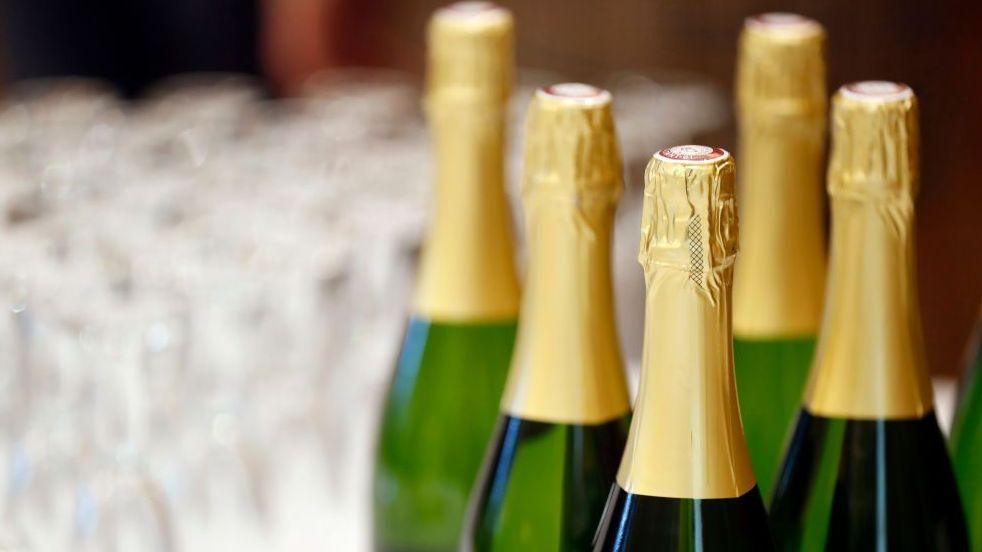
France’s Champagne region, long respected for its 13% alcohol cap, unexpectedly accepted a brief 15% limit following a summer of unprecedented heat. The decision, authorised by the Comite Champagne, aimed to preserve the fruit’s full profile as grapes reached higher sugar levels during a brutally hot season. Producers can now offer a limited batch of 15% ABV champagne for the 2026 vintage, a measure set to expire next year.
Wining experts note that the spring began with historic frosts, followed by early flowering and five major heatwaves that forced an early—and exceptionally high‑sugar—harvest. Even so, only a few bottles might exceed the 13% threshold, with levels rarely taller than 13.2%. This nuance means the 15% step is a marginal, temporary response rather than a permanent regulatory shift.
Stéphane Vignon, a Verzenay winemaker, remarked that the Mediterranean climate now reaching north signifies the start of a new cycle that will surface every 10 to 15 years. Contrastingly, wine columnist Jane Anson warned that consumers increasingly favour lower‑alcohol options, so a higher‑strength bottle may not become a selling point. Nonetheless, the refrigerated aging process—at least 15 months—will delay the 2026 bottles’ launch until 2028.
This experiment underscores a larger shift: as global temperatures rise, viticulturists will confront earlier fruit ripening, more sugar density, and the necessity of adjusting production practices—potentially redefining traditional standards for iconic wines like champagne.