In brief
The tsunami‑like floods that struck Nepal and Tibet last week have claimed over a thousand lives, left more than 4,000 missing, and slammed the region into chaos. UN spokespersons are urging intensified aid and rescue, especially for those trapped in hydropower tunnels and remote villages blown apart by collapsed glaciers. Helicopter relief and international cooperation are mounting, but access to destroyed bridges remains a critical bottleneck. As Nepal’s government declares a three‑month disaster zone, the UN launches a four‑month humanitarian appeal to secure funds and supplies. Climate experts warn that the catastrophe underscores the urgent need for global action on mountain‑region climate change.
The UN has stepped up its call for intensified relief and recovery operations in Nepal after a series of flash floods that devastated the Nepal‑Tibet border a week ago, even as rescue teams race to find survivors.
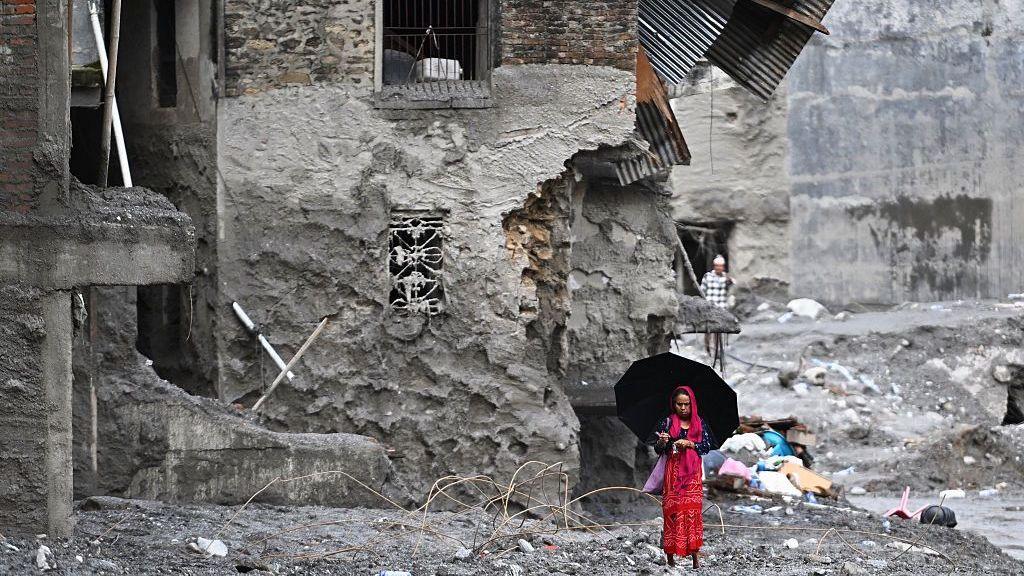
At least 1,200 people have died in Nepal, with more than 4,200 reported missing, while the nearby Tibetan side recorded 21 deaths and 540 missing, according to state media. The floods are believed to have been triggered by a glacial collapse in a Himalayan valley.
Rescue crews have been working around the clock, clearing roads, re‑opening the Gyirong border crossing, and using drones to identify survivors. Heavy machinery has rebuilt temporary bridges to reach remote villages, and helicopter flights deliver food, medicine, and water to communities that are still battling for basic supplies.
The UN Office for the Coordination of Humanitarian Affairs (OCHA) says more than 40 bridges were destroyed, making access the biggest challenge. Both Nepalese and Chinese teams are co‑operating to secure safe routes and uncover hidden victims inside hydropower tunnels that may house hundreds of trapped workers.
Prime Minister Balendra Shah emphasized the nation’s renewed focus on safeguarding survivors, providing medical treatment, and offering psychological counselling while calling for international assistance. He also underscored that this disaster highlights rising climate‑related risks in the Himalayan region.
To support the affected, the Nepalese government has declared a disaster zone in 15 regions for three months and has agreed with the UN to launch a four‑month humanitarian appeal. The crisis underscores the essential role of coordinated relief and long‑term climate adaptation.