In brief
A pair of Renoir oil paintings vanished from the Musée Renoir in France early Tuesday, sparking an international art‑crime investigation. The thieves broke through a fence, cut the security frames, and fled without the framed canvases. Police recovered two works hours later in the gardens, but two prized pieces still sit missing. The incident highlights growing threats to cultural heritage and calls for stronger protection measures.
A pair of Renoir oil canvases vanished from the Musée Renoir in Cagnes‑sur‑Mer early Tuesday, setting off a nationwide hunt for stolen masterpieces. The four works were each assessed at nine million euros, a value that once occupied French museum shelves and now places them in the cross‑hairs of organized art‑crime networks.
CCTV footage captured the thieves’ approach: they removed a section of the garden fence, then slit the frames holding the canvases. The alarm triggered at 05:48, prompting police to arrive within five minutes. When the intruders turned on the sound, they fled, leaving two stolen works behind in the grounds where they were later found.
Mayor Bryan Masson described the assailants as “well‑equipped” and “well‑informed,” noting that they wore helmets, gloves, and combat gear and carried electric knives and hacksaws. Investigators found two zip‑up bags—potentially belonging to the suspects—near the scene.
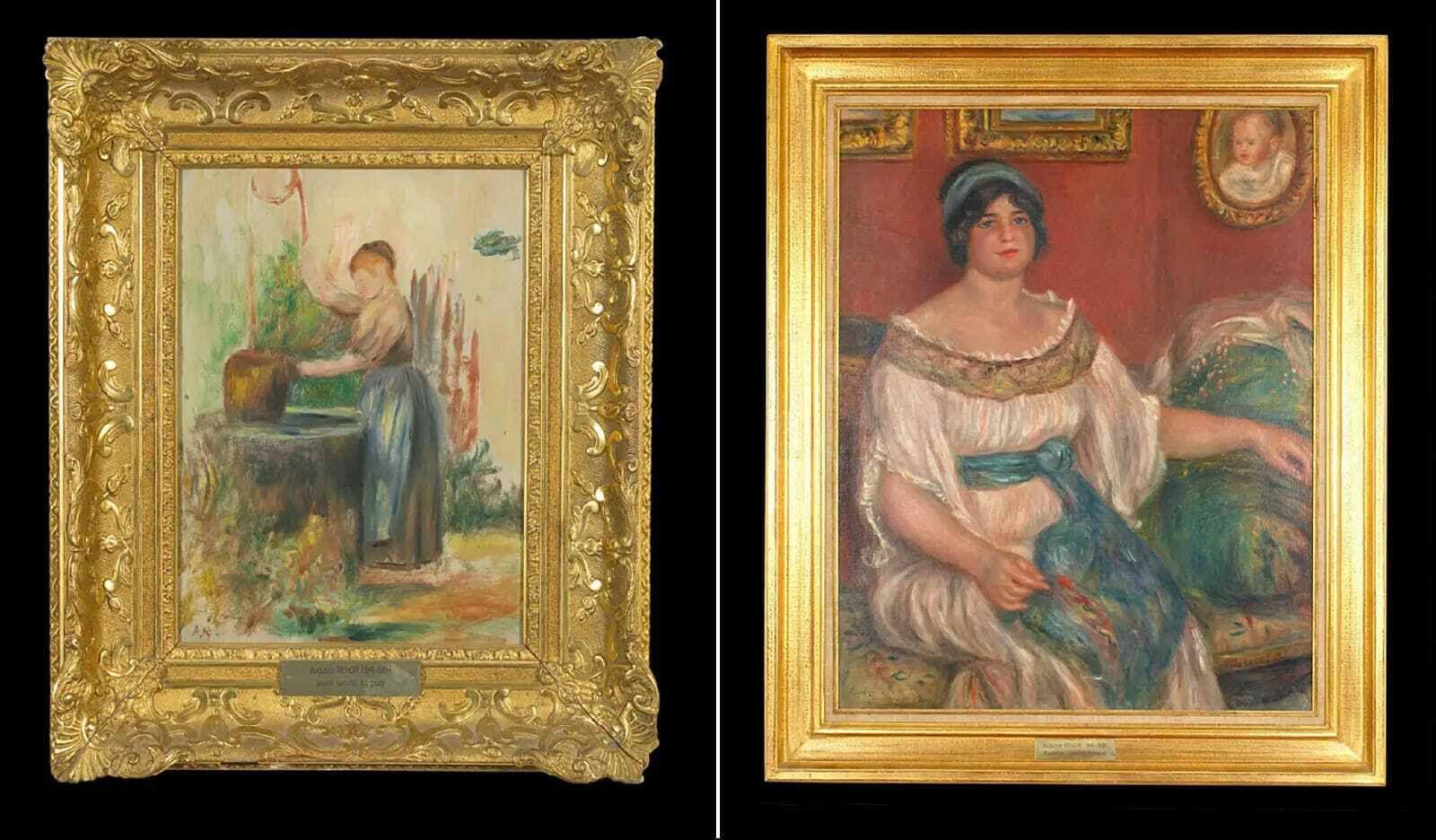
The two pieces deemed abandoned, yet subsequently recovered, are Portrait of Madame Pichon and Coco Lisant (1895 and 1905). The work still missing are Portrait of Madame Colonna Romano (1910) and Jeune fille au puits (1886).
- Recovered: Portrait of Madame Pichon (1895)
Portrait of Madame Pichon (1895) and Coco Lisant (1905) were located after hours of searching the museum gardens. - Missing: Portrait of Madame Colonna Romano (1910)
Jeune fille au puits (1886) remain unaccounted for, prompting a request for international cooperation.
“Attacking the Renoir Museum is attacking a part of the history and heritage of Cagnes‑sur‑Mer,” the mayor said, stressing that the stolen paintings are beyond resale and that cultural loss is irreversible. He urged the French government to provide additional financial support to small museums that face increasingly organized and determined criminals.
The incident follows other recent European heists, notably a October 2025 Louvre jewelry theft and a December 2024 Renaissance theft in Sicily, underscoring new challenges for art security worldwide.