In brief
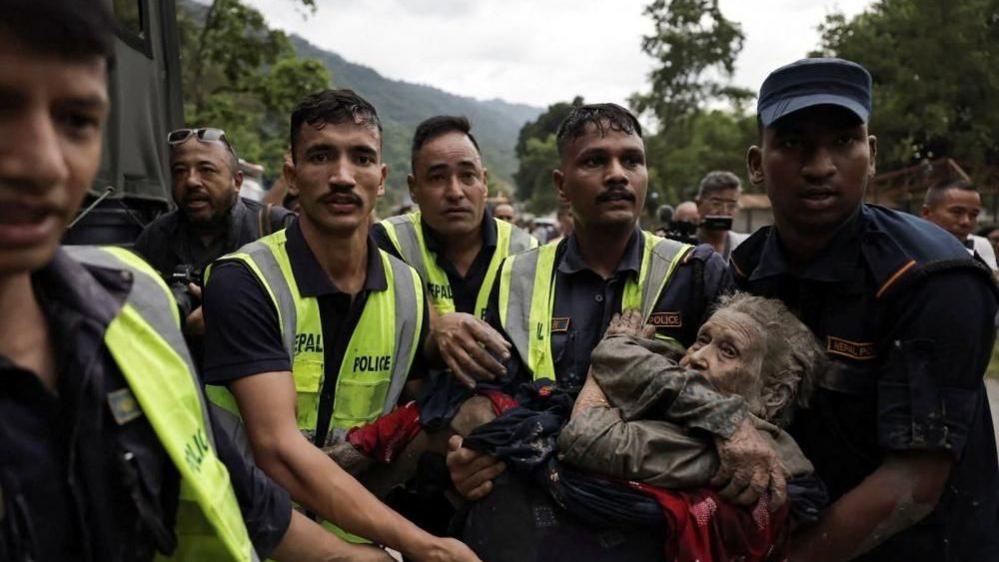
In August, a massive glacial collapse on the Nepal‑Tibet border unleashed a torrent of ice‑laden mud that buried villages, highways and a border checkpoint. At least 469 people were confirmed dead and hundreds more missing, many of them foreign tourists. Rescue teams, military units and international aid agencies have been racing to provide emergency shelter and supplies, while governments urge vigilance for a possible secondary flood. Scientists are still piecing together the exact sequence of events, but climate‑driven glacier melting is widely suspected as a major factor.
In mid‑August, a catastrophic glacier collapse on the border of Nepal and Tibet unleashed a torrent of ice‑laden mud, rock and water that rushed down the Lende Khola, Bhote Koshi and Trishuli rivers. The deluge swept away villages, roads and a multi‑storey border checkpoint, striking toward the city of Kathmandu.
What Caused the Disaster?
Initial speculation blamed an earthquake, but the U.S. Geological Survey clarified that the event was a glacial collapse. The falling ice mass reached a 5.2‑strength impact and generated debris flows that blocked the river, creating a floating dam that eventually burst and sent a flash flood downstream.
Casualties and Missing People
As of Thursday, 469 people were confirmed dead, with 910 still missing – including 517 foreign nationals, 28 police officers and 44 Nepal Army members. The Nepali tourism board lists 644 tourists missing, 33 of whom are British nationals, and many of those might be part of the 291 foreign missing figure previously reported by officials.
Global Response
Prime Ministers Balendra Shah (Neal) and Xi Jinping (China) called for coordination and early‑warning systems. India’s Narendra Modi pledged humanitarian aid, while the United Nations secured supplies and $500,000 in emergency assistance. The United Kingdom offered £5m and support for British nationals.
Missing Tourists by Country
- India – 288 nationals missing
- China – nearly 100 nationals missing
- USA – 65 tourists missing
- Ukraine – 53 nationals missing
- Malaysia – 51 missing
- Australia – 39 missing
- UK – 33 missing
- Canada – 24 missing
Smaller groups from South Korea, South Africa, Portugal, the Netherlands and New Zealand also remain unaccounted for. The border at Gyirong – a key crossing for Tibet and Nepal – has seen a swelling of rescue efforts after China’s Premier Li Qiang arrived on the scene.
Climate Link and Future Risk
Scientists warn that warming‑induced glacial thinning in the Hindu Kush Himalaya is increasing landslide risk. Though a definitive causal link to climate change is still pending, the collapse highlights the urgent need for monitoring and early‑warning systems to prevent secondary floods.
As rescue teams continue their search and governments prepare for potential secondary flooding, survivors are still being flown in by helicopter, and the story remains a stark reminder of the human cost of rapid climatic shifts.