In brief
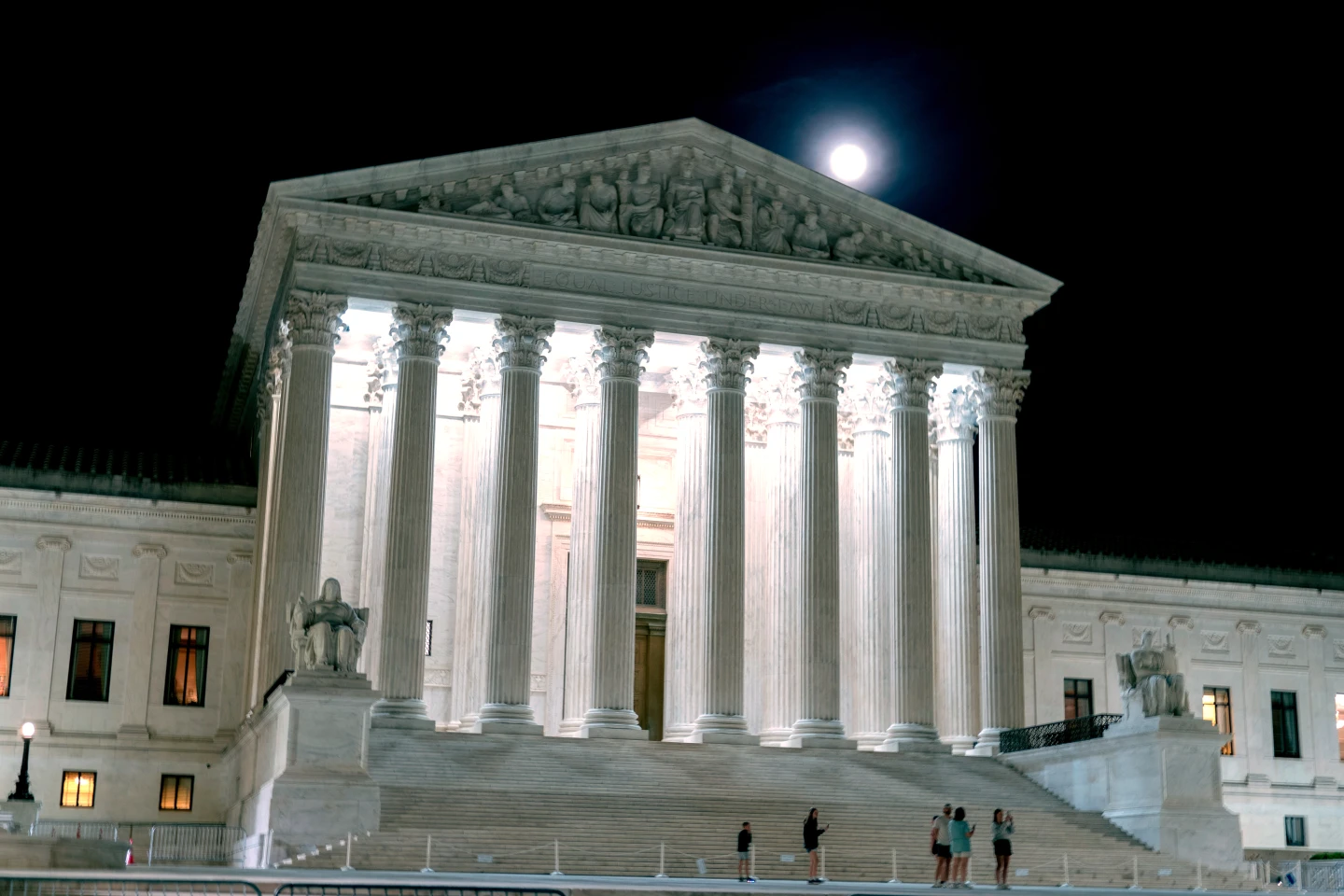
As the Supreme Court prepares to hear arguments this Wednesday, President Trump's executive order concerning birthright citizenship is at the forefront of legal debates. The order asserts that children born on U.S. soil to parents lacking legal status or with temporary status do not qualify for American citizenship. This case represents a significant challenge to longstanding legal precedent established by the 14th Amendment. A ruling is expected by early summer, with Trump making history as the first sitting president to attend oral arguments in front of the nation’s highest court.
The Supreme Court is poised to address one of the term's most consequential cases, taking up President Trump's executive order regarding birthright citizenship. This order claims that children born in the United States to parents who are undocumented or hold temporary visas will not automatically receive American citizenship. Trump plans to be present in court as justices evaluate his appeal following lower court rulings that have consistently invalidated his limitations on citizenship.The rulings by various courts, including one in New Hampshire, reflect a rejection of the executive order which has not yet taken effect anywhere. With a definitive ruling anticipated by early summer, the case presents a renewed examination of the executive powers asserted by Trump and the judicial responses they have elicited.Significantly, Trump's order, which aims to redefine the concept of citizenship detailed in the Constitution's 14th Amendment, has sparked considerable debate among legal experts and civil rights advocates. The 14th Amendment, ratified in 1868, guarantees citizenship to all individuals born on American soil with very few exceptions.With proponents of the executive order arguing for a re-evaluation of who qualifies as a citizen under American law, opponents, including groups like the American Civil Liberties Union, assert that the order represents a drastic reinterpretation of constitutional principles.As the justices prepare to delve into these arguments, the implications of their decision could affect over a quarter of a million infants born annually in the U.S., potentially reshaping immigration policy for generations to come.