In brief
Sri Lanka is navigating a crisis marked by disastrous flooding from Cyclone Ditwah, which caused widespread devastation and economic turmoil. Now, the situation is exacerbated by rising fuel prices and an impending drought, fueled by the ongoing conflict in Iran. With more than 165,000 still displaced, the government's economic strategies are under immense pressure as they seek to rebuild and support affected families.
After floods devastated their village, Indrani Ravichandran and her family are back in their house, living in the only section that is still standing. They are among the many victims of Cyclone Ditwah that ravaged the country last November, where over just three days, parts of Sri Lanka's central uplands saw catastrophic flooding that claimed 643 lives and left 173 missing. The destruction is said to exceed even the impact of the 2004 tsunami.
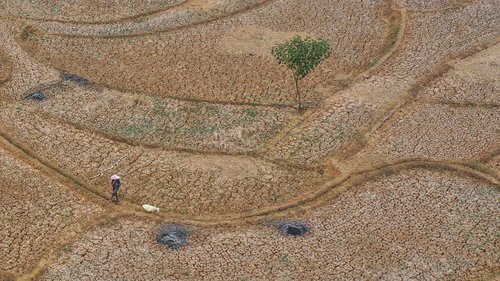
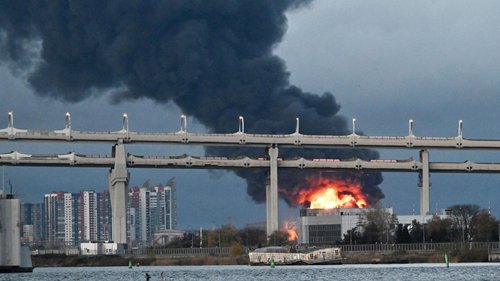
In the wake of this calamity, the human cost was devastating, and as families like Indrani's navigate their trauma, the nation concurrently grapples with the ramifications of the Iran war. This conflict has emerged as a 'triple shock' – first, the historic floods; second, escalating fuel prices; and third, the looming fear of drought.
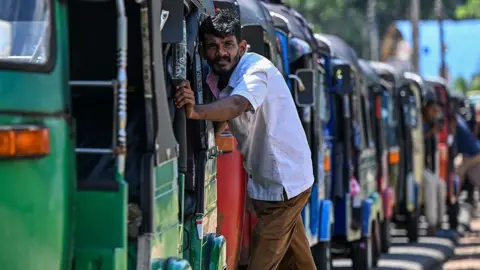
The profound impact on energy resources has led to government measures such as fuel rationing, a four-day workweek, and significant hikes in electricity prices. Memory of last year's economic crisis – where Sri Lanka ran out of foreign currency and defaulted on its debts – still lingers heavily on the populace.
Amidst rising panic buying and shortages of essential commodities, protests erupted last year leading to political upheaval. Now, concerns mount that another economic meltdown might ensue due to these compounded crises.
The government had begun stabilizing after implementing measures like removing electricity subsidies and increasing taxes, until the floods struck. While international aid has been less forthcoming for this disaster compared to the tsunami, India swiftly initiated a humanitarian mission, supplying critical aid and infrastructure support. Meanwhile, China's response has been minimal in comparison.
Today, more than 165,000 people remain displaced months after the cyclone, with many families living in temporary shelters, still waiting for comprehensive government support. As Sri Lanka faces these struggles, the repercussions of the Iran war continue to place additional strain on its economy and the prospects for recovery seem bleak.