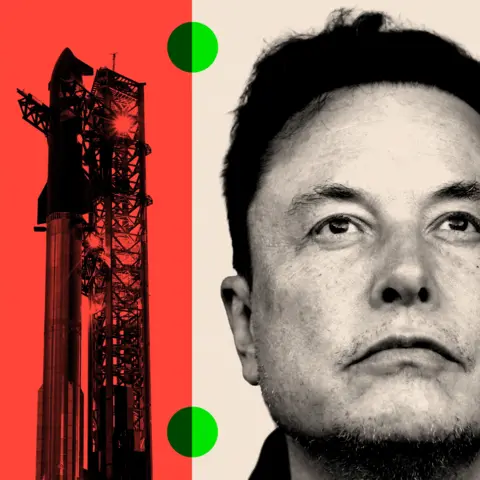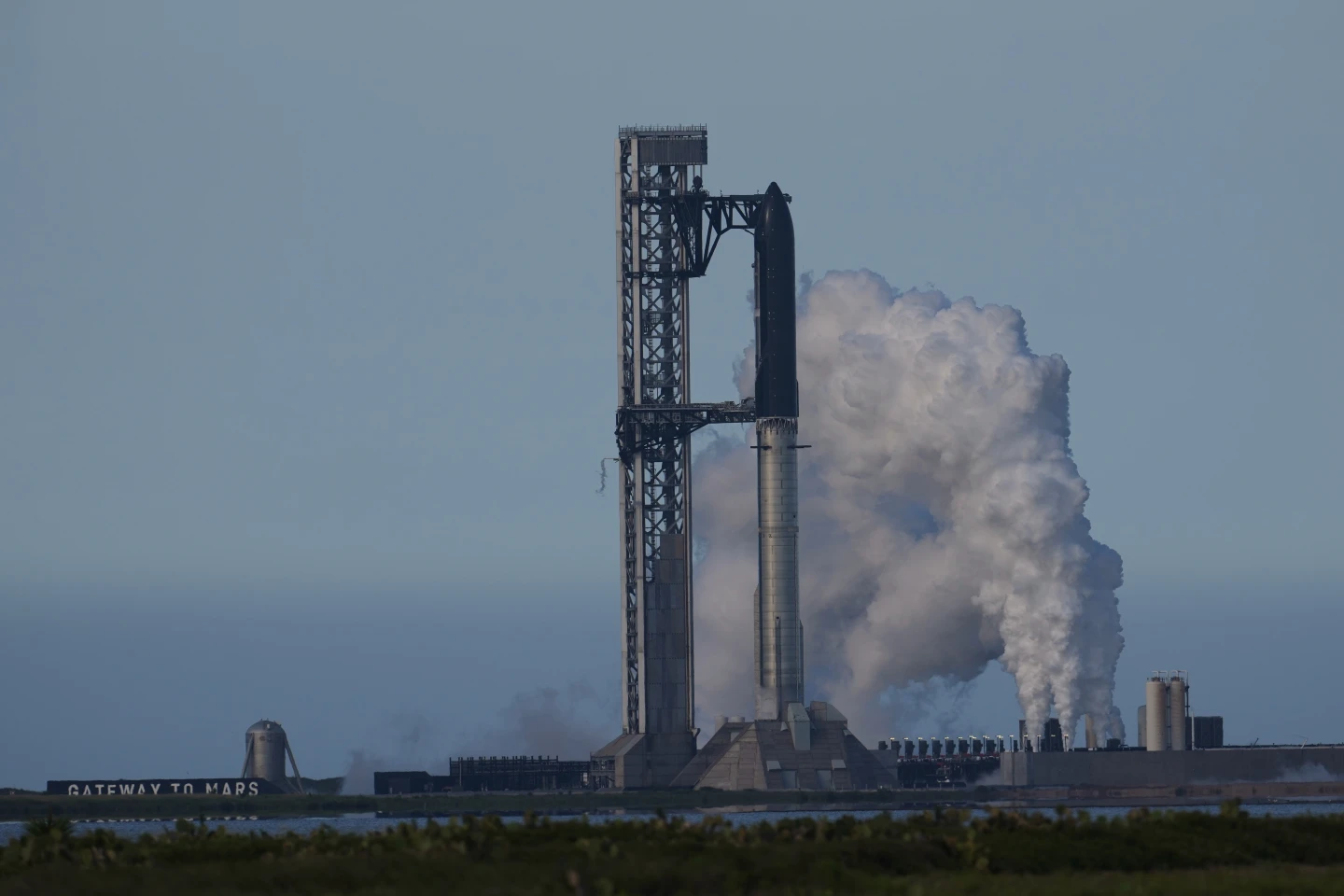
When the Starship rockets into the sky, so too does the market. On 10 October 2024 at SpaceX’s Starbase launch pad, Elon Musk’s newest behemoth lifted itself off the ground, the world watching. The moment that usually turns heads – the rocket climbing – was in fact a launch of a financial product: the first tranche of the company’s shares to the public.
SpaceX has filed for a partial public offering, selling roughly 5% of its interests – about £75 billion – to investors. That creates an implied valuation of about $1.75 trillion, sending the company into the top‑10 of global firms and predicting a new era where an ordinary household could own a fraction of a spaceship empire.
The package offers much more than rockets. SpaceX’s satellite constellation, Starlink, the world’s largest communications network, contributes a significant portion of revenue. But Musk’s “xAI” venture – a private AI company – signals that a large part of the valuation sits on next‑generation machine learning and cloud computing, not just on propellant.
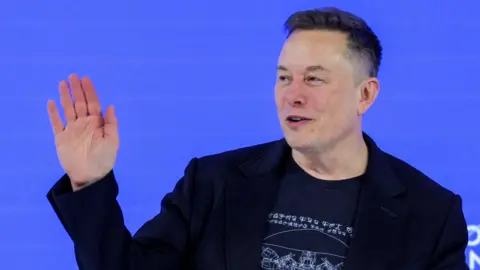
One of the biggest questions for investors is control. Musk owns 42% of the firm, but his shares have special voting rights that give him a commanding 85% of decision‑making power. For those who don’t want to sit on the steering wheel, the question becomes: what is the value of a share that affords little influence?
Will the market overpay? Economists warn of a potential dot‑com echo. With a huge influx of capital that may outpace demand, share prices could wobble, especially if institutional funds decide to absorb large tranches. The opportunity to invest in a company as ambitious as Musk’s is scarce: it’s a one‑time event a lot of people say they want to be part of.
The stakes are high. A SpaceX IPO is not just a financial gamble; it is a statement about the future of space exploration, AI, and how we assign value to a company that straddles the frontiers of technology and ambitions for other worlds.