Elon Musk made history last Friday as the world’s first trillionaire when SpaceX’s shares exploded onto the Nasdaq, driving the company to a valuation of $2.2 trillion and pushing Musk’s paper net worth to $1.11 trillion.
Shares began trading at $150 each, briefly climbing to $176.50 before closing around $161. The IPO raised $75 bn, marking SpaceX’s debut as a public asset and giving Musk a 42 % ownership stake that grants him effective veto power over the company’s strategy.
The surge was fueled by optimism about SpaceX’s future earnings from launch services, Starlink satellite broadband, and the recently acquired AI venture xAI, yet analysts note that the firm is not yet profitable and has lost more than $9 bn in 2025 and 2026.
Musk’s new fortune has reignited debate about wealth concentration: his wealth now rivals the entire GDP of countries like Poland and Switzerland. Politicians, including Senator Elizabeth Warren, have called the milestone a wake‑up‑call for wealth taxation, while others see it as a testament to the power of visionary entrepreneurship.
The IPO also created wealth for over 4,400 former and current SpaceX employees, turning many into instant millionaires. However, the long‑term performance of the stock remains a concern for pension funds and investment funds that own index‑linked shares of the company.
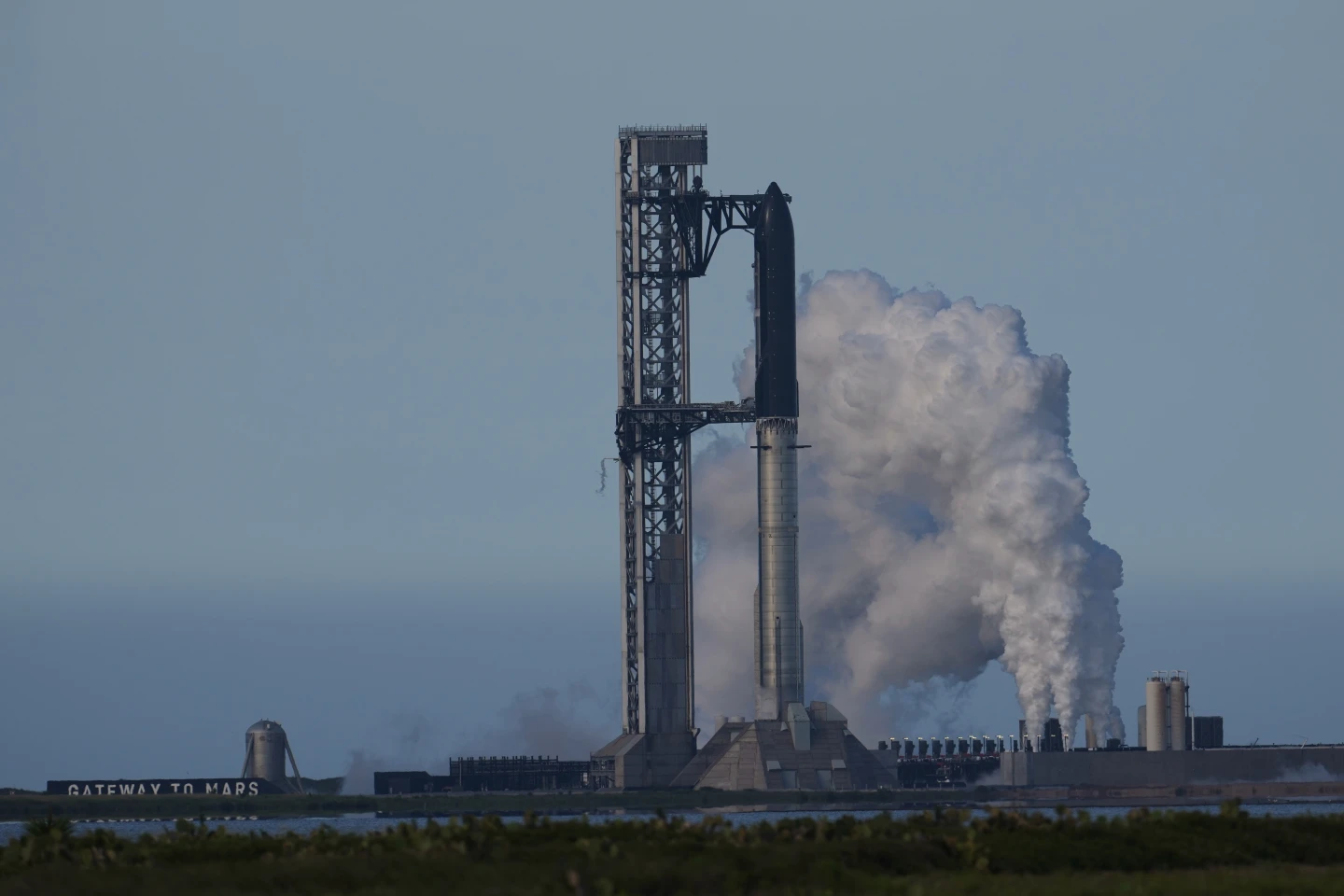
SpaceX’s leadership points toward a “lunar economy” and interplanetary commerce as future growth engines, acknowledging that such ambitions carry high technical risk and may not achieve commercial viability. Precautionary flagships like the company's move to build data centres in orbit illustrate a bold, yet uncertain, trajectory.
Despite the hype, the real measure of SpaceX’s success will lie in how the company translates its ambitious vision into sustainable revenue streams and whether its shares can hold the lofty valuation over time. As the market’s eyes remain fixed on Musk’s trillionaire status, investors will be watching closely to see if the novel partnership between rocket science and AI can maintain the momentum that launched both a starship and a new era of wealth distribution."