In brief
The U.S. Senate will vote on Thursday concerning rival health care bills aimed at addressing the expiration of COVID-era subsidies that, if not extended, can double insurance costs for millions. With midterm elections approaching, the implications of rising health care costs are becoming a critical issue for voters and could impact the political landscape.
The U.S. Senate is set to vote on Thursday, addressing diverging partisan proposals regarding health care subsidies that have played a pivotal role during the pandemic. These crucial subsidies, originally implemented during the COVID-19 crisis, are set to expire soon, and failing to extend them could impose significant financial burdens on millions of Americans as they anticipate soaring insurance costs in 2026.
Both legislative proposals, however, are not expected to pass, leaving the future of these subsidies—and the health coverage of many Americans—in jeopardy. With only three weeks remaining until the subsidies run dry, the political ramifications are coming to the forefront, especially as affordability concerns resound through the electorate ahead of the looming midterms.
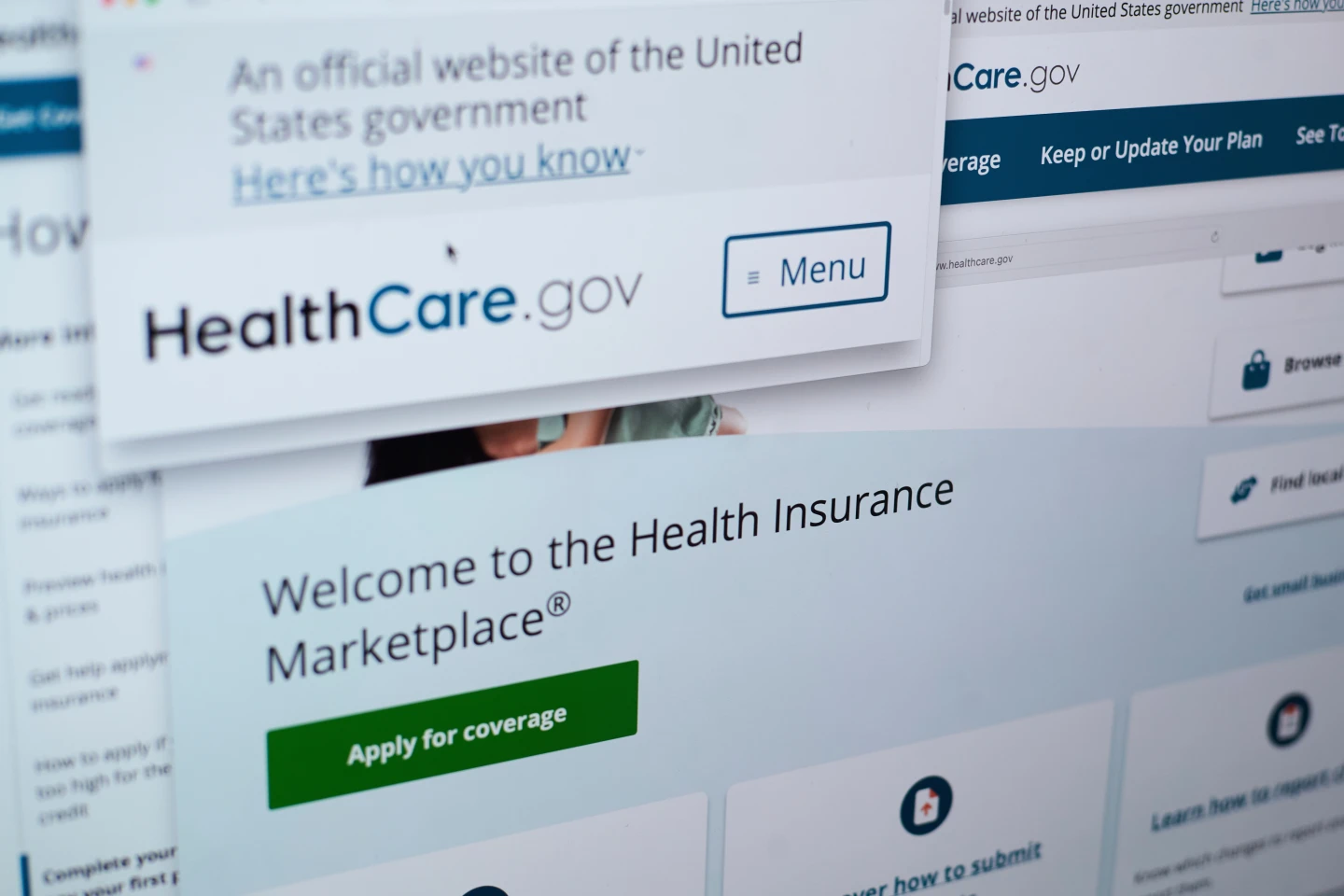
The stakes are high: over 24 million individuals currently utilize Affordable Care Act health insurance, benefitting from subsidies that have significantly reduced premium costs. Without an extension, many of these enrollees could see their premiums more than double, with experts warning that younger and healthier individuals may drop out of coverage altogether.
Democrats are advocating for a plan to extend the enhanced subsidies for three more years, which they believe would provide immediate relief to millions and maintain insurance coverage levels. On the other hand, Republicans are proposing a different approach, swapping subsidies for health savings accounts that would place the choice directly in the hands of Americans.
As discussions intensify, the implications of health care affordability are shaping up to be a defining issue in the upcoming electoral battle, with lawmakers keenly aware of the financial constraints facing voters.